This website uses cookies to ensure you get the best experience on our website.


- Table of Contents
and ELISA kits, proteins related to Mesenchymal stem cells.
Mesenchymal stem cells (MSCs) are a type of multipotent stem cell capable of differentiating into a variety of cell types including osteoblasts, chondrocytes, myocytes, and adipocytes. Found in multiple locations within the body, such as bone marrow, adipose tissue, and umbilical cord blood, MSCs are pivotal not only in developmental processes but also in regenerative medicine due to their immense therapeutic potential. Their ability to modulate immune responses and secrete beneficial biochemical factors makes them a powerful tool for treating a range of diseases, from autoimmune disorders to traumatic injuries. Research into MSCs is rapidly expanding, exploring their role in tissue repair, immunomodulation, and as vehicles for delivering therapeutic agents. As our understanding deepens, MSCs continue to show promise in revolutionizing medical treatments and enhancing our ability to heal complex diseases.
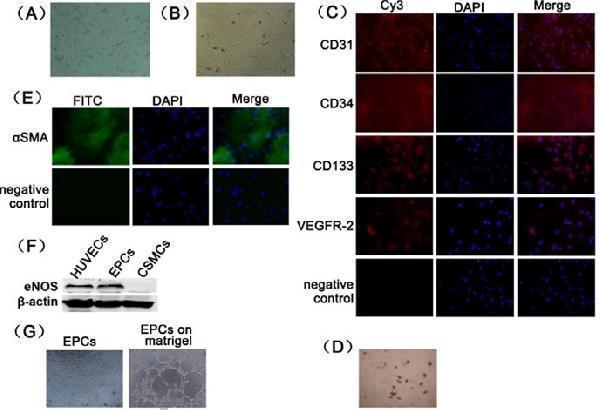
Anti-CD34 Antibody Picoband®, Primary culture and characterization of rat EPCs. (A) Rat BM-MNCs from bone marrow after 7 days in culture (100×). (B) Rat BM-MNCs after 14 days of culture (100×...
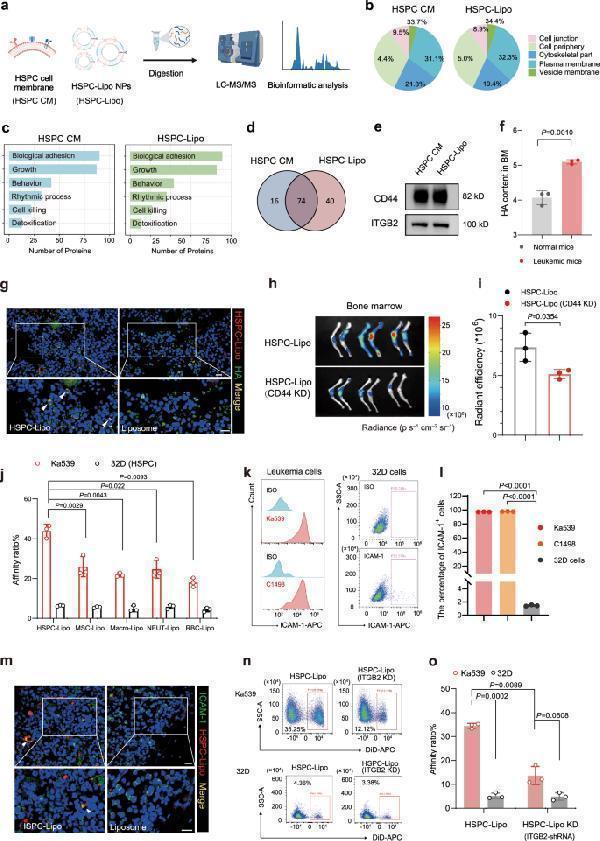
Anti-CD44 Antibody Picoband®, HSPC-Lipo exhibits higher affinity to leukemic cells. a Schematic illustration of Liquid chromatography tandem mass spectrometry (LC-MS/MS) sequenci...

Anti-VCAM1/Cd106 Rabbit Monoclonal Antibody, NETs are increased and related to endothelial cell injury in humans and rats with AAV. (A ) Immunofluorescence staining of neutroph...
| Protein Name | Gene Name | Function |
|---|---|---|
| CD44 | CD44 | Cell-cell interactions, cell adhesion and migration. |
| CD105 | ENG | Part of the TGF-beta complex, involved in MSC identity. |
| CD90 | THY1 | Involved in cell adhesion and neuronal functions. |
| CD73 | NT5E | Converts AMP to adenosine, modulating inflammatory responses. |
| CD146 | MCAM | Adhesion molecule playing a role in cell-cell interaction. |
| CD29 | ITGB1 | Mediates MSC adhesion via receptors for extracellular matrix. |
| CD166 | ALCAM | Involved in development and regeneration of various tissues. |
| CXCR4 | CXCR4 | Chemokine receptor, important for tissue repair and stem cell migration. |
| CD106 | VCAM1 | Mediates the adhesion of lymphocytes to the endothelium. |
| CD271 | NGFR | Low-affinity nerve growth factor receptor, roles in neural and MSC functions. |
| SSEA-4 | FUT4 | Stage-specific embryonic antigen-4, a marker in pluripotent stem cells. |
| Oct-4 | POU5F1 | Transcription factor maintaining self-renewal of pluripotent stem cells. |
| Nanog | NANOG | Homeobox protein involved in the maintenance of pluripotency and self-renewal. |
| CD200 | CD200 | Regulates immune responses via interactions with its receptor. |
| CD34 | CD34 | Hematopoietic/progenitor cell antigen used in stem cell selection. |
| CD140b | PDGFRB | Cell surface tyrosine kinase receptor for PDGF involved in MSC growth. |
| SOX2 | SOX2 | Critical for maintaining self-renewal of undifferentiated embryonic stem cells. |
One of the most pivotal sub-research areas within the field of Mesenchymal Stem Cells (MSCs) involves their immunomodulatory capacities. MSCs, by interacting with various components of the immune system, can modulate immune responses. This property is critical in understanding how MSCs can potentially treat autoimmune diseases, prevent allograft rejections, and manage chronic inflammatory diseases. The mechanism by which they achieve this includes the secretion of anti-inflammatory cytokines, modulation of dendritic cell functions, and the suppression of T cell proliferation. Additionally, MSCs can promote the proliferation of regulatory T cells (Tregs), which are vital for maintaining immunological tolerance and preventing autoimmunity. This immunomodulatory effect is not only crucial for therapeutic applications in clinical settings but also provides a basis for understanding MSC interactions with host immune systems, paving the way for advanced treatments and therapies in transplantation and autoimmune disorders.
The application of Mesenchymal Stem Cells (MSCs) in regenerative medicine and tissue repair stands as another critical sub-research area. MSCs can differentiate into a variety of cell types including osteoblasts, chondrocytes, myocytes, and adipocytes. This versatile differentiation potential, combined with their ability to secrete bioactive molecules that promote tissue repair, makes MSCs a promising tool for regenerating various tissues such as bone, cartilage, muscle, and even cardiac tissues. Research in this realm explores how MSCs can be utilized to improve the healing processes in damaged tissues, often focusing on enhancing the integration and longevity of repaired tissues. Further, the research also delves into optimizing the delivery methods and survival rates of MSCs when applied in vivo. The ultimate goal is to harness the therapeutic potential of MSCs to treat conditions like osteoarthritis, muscular dystrophy, and cardiac infarctions, thereby improving patient recovery rates and quality of life through natural and effective cellular processes.