This website uses cookies to ensure you get the best experience on our website.


- Table of Contents
and ELISA kits, proteins related to Smooth muscle cells.
Smooth muscle cells (SMCs) are specialized cells found primarily within the walls of hollow organs such as blood vessels, the respiratory tract, the intestines, and the bladder. Unlike skeletal muscle, smooth muscle is not under conscious control, hence categorized as involuntary muscle. These cells are crucial for various physiological processes including the regulation of blood flow and pressure, gastrointestinal motility, and respiratory airflow. Research into smooth muscle cells has increased understanding of numerous medical conditions, such as hypertension, asthma, and arteriosclerosis. This research is pivotal for developing targeted therapies that can more effectively treat or potentially reverse these conditions. Antibodies that specifically bind to smooth muscle cell proteins are invaluable tools in this research. They help scientists identify, locate, and quantify specific proteins within smooth muscle cells, contributing immensely to our understanding of cell function, signaling pathways, and interactions. As we continue to explore the complex nature of smooth muscle cells, the role of specialized antibodies becomes increasingly significant, opening new avenues for medical advancements and therapeutic interventions.
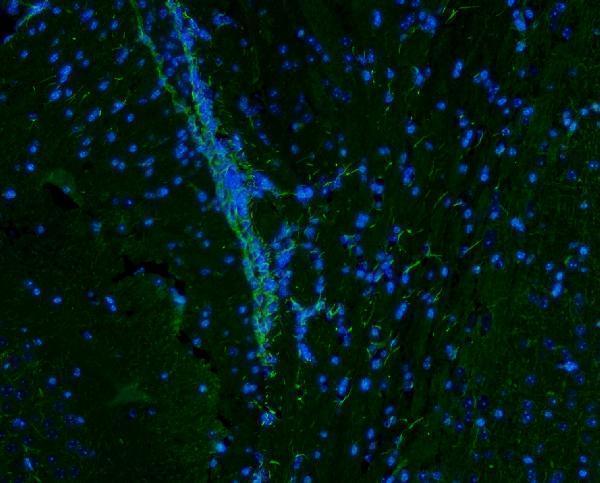
Anti-Vimentin Antibody Picoband®, IF analysis of Vimentin using anti-Vimentin antibody (PB9359).
Vimentin was detected in a paraffin-embedded section of mouse brain ti...
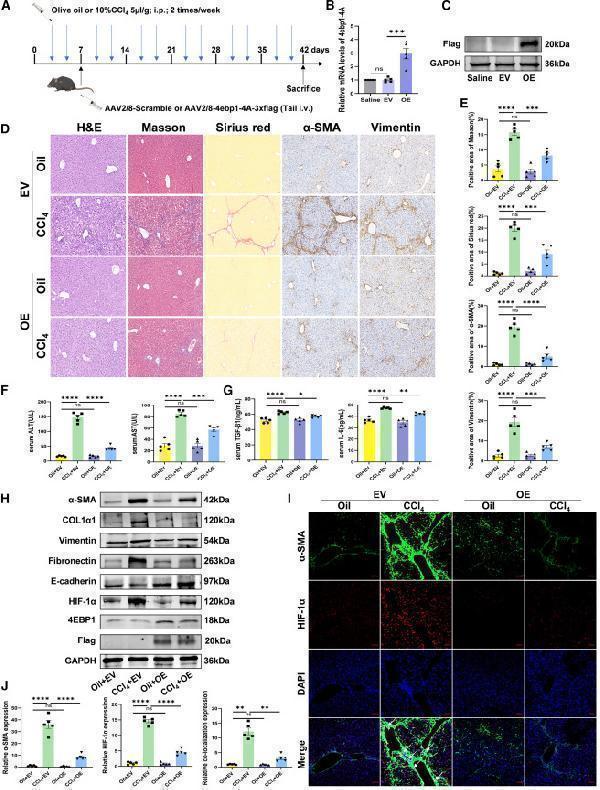
Anti-alpha smooth muscle Actin ACTA2 Rabbit Monoclonal Antibody, (A) Illustration of adeno-associated virus,AAV transduction and CCl4 administration in mice...

Anti-Desmin Antibody Picoband®, IF analysis of Desmin using anti-Desmin antibody (PB9105).
Desmin was detected in a paraffin-embedded section of mouse heart tissue. Heat...
| Protein Name | Gene Name | Function |
|---|---|---|
| Actin, alpha smooth muscle | ACTA2 | Primary component of the contractile apparatus, key in muscle contraction and cell mobility. |
| Myosin heavy chain 11 | MYH11 | Motor protein in muscle contraction, important in vascular contractility and blood pressure regulation. |
| Calponin 1 | CNN1 | Plays a role in regulating the contractile properties of smooth muscle and its response to stimuli. |
| Smoothelin | SMTN | Marker for contractile smooth muscle; involved in structural integrity and contractility. |
| Desmin | DES | Intermediate filament crucial for structural integrity and alignment of sarcomeres in muscle cells. |
| Vimentin | VIM | Supports cellular integrity and involved in anchoring organelles in the cytosol. |
| Smooth muscle myosin light chain kinase | MYLK | Phosphorylates MLC, crucial for smooth muscle contraction. |
| Transgelin | TAGLN | Actin binding protein, involved in maintaining cell shape and motility. |
| Caldesmon | CALD1 | Binds actin and calmodulin, regulates actomyosin dynamics and smooth muscle contraction. |
| Smooth muscle protein 22-alpha | TAGLN2 | Regulates signaling pathways that control the contractile state of smooth muscle. |
| Alpha-actinin | ACTN1 | Cross-links actin filaments, anchoring them to Z-lines of muscle cells and regulating contraction. |
| H-caldesmon | CALD1 | Modulates smooth muscle contraction by interacting with actomyosin complex. |
| Myocardin | MYOCD | Transcriptional coactivator; critical in the development and function of cardiac and smooth muscles. |
| Protein kinase C alpha type | PRKCA | Involved in smooth muscle contraction, signals diverse cellular responses including muscle contractility. |
| Rho-associated protein kinase 1 | ROCK1 | Regulates smooth muscle contraction, cell motility, cell polarity and gene expression. |
| Telokin | MYLK | Involved in modulating smooth muscle contraction, is a product from the MYLK gene specific to smooth muscle. |
| Elastin | ELN | Provides elastic recoil necessary for many tissues including major blood vessels. |
| Nebulette | NEBL | Plays a critical role in sarcomere organization and function, specifically in smooth muscles. |
| Lamin A/C | LMNA | Provides structural stability through nuclear lamina; mutations associated with muscular dystrophies. |
| Plexin domain containing 2 | PLXDC2 | Involved in cellular signaling and vascular remodeling in smooth muscle tissue. |
Calcium signaling plays a pivotal role in the regulation of smooth muscle cell (SMC) function, governing critical processes such as contraction, migration, and growth. This signaling mechanism involves the influx and efflux of calcium ions, crucial for initiating muscle contraction. Intracellular calcium levels are tightly regulated through a balance between the release from internal stores and the influx from extracellular sources. Central to this process are ion channels, pumps, and receptors, including voltage-dependent calcium channels and receptor-operated channels. The precise control of calcium signaling is essential for the normal function of various organs that rely on smooth muscle cells, such as blood vessels, the gastrointestinal tract, and the respiratory system. Disruptions in this balance can lead to pathological conditions like hypertension, asthma, and irritable bowel syndrome, making it a key area of research for therapeutic interventions.
Smooth muscle hyperplasia and hypertrophy are significant sub-research areas relating to diseases characterized by the abnormal growth of smooth muscle cells, such as atherosclerosis and asthma. Hyperplasia describes an increase in the number of smooth muscle cells, while hypertrophy refers to an increase in the size of individual cells. These processes are both driven by molecular signals that prompt smooth muscle cells to proliferate or enlarge. Factors contributing to hyperplasia and hypertrophy include growth factors, cytokines, and mechanical stress. These changes affect the structural and functional properties of the vessels and airways, leading to reduced elasticity and altered responsiveness. Understanding these mechanisms is crucial for developing strategies to control abnormal smooth muscle growth, thus offering potential therapeutic benefits in treating and managing cardiovascular diseases, airway remodeling in asthma, and restenosis after angioplasty.