This website uses cookies to ensure you get the best experience on our website.


- Table of Contents
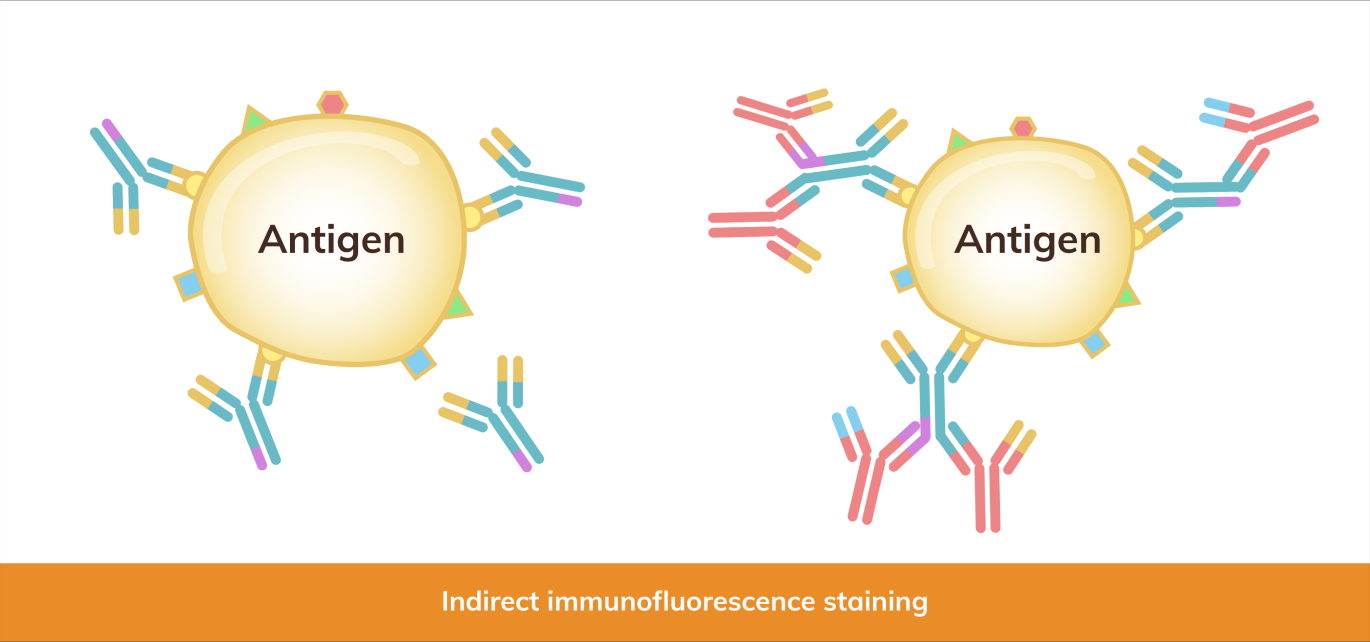
Monoclonal antibodies are antibodies produced by a single clone of B cells, demonstrating high specificity and consistency. The process of monoclonal antibody production involves isolating B cells from animals’ immune systems, fusing them with myeloma cells to form hybridoma cells capable of producing antibodies. Through screening and cloning these hybridoma cells, a single, highly specific antibody cell line can be obtained. Among the monoclonal antibodies, rabbit monoclonal antibodies offer distinctive advantages due to their ability to bind epitopes that are weakly immunogenic in mice. This broader epitope recognition is particularly useful in detecting subtle structural differences and low-abundance targets, supporting applications that require exceptional specificity and affinity.
Beyond traditional hybridoma workflows, monoclonal-style binders can also be discovered through approaches such as single B cell antibody discovery, which preserves native heavy and light chain pairing from individual antigen-specific B cells, or phage display library screening, which enables high-throughput in vitro enrichment of specific binders from large antibody libraries.
On the other hand, polyclonal antibodies are antibodies produced by multiple different clones of B cells, exhibiting broad antigen specificity. The process of generating polyclonal antibodies involves immunizing animals with a specific antigen to produce antibodies by different B cell clones. These antibodies have different structures and antigen specificities, enabling them to recognize different epitopes of the antigen. In some advanced experimental designs, such as those involving viral delivery systems, aav packaging may be utilized to introduce genes that express specific antigens or antibodies.
| Monoclonal Antibodies | Polyclonal Antibodies | |
| Composition | homogeneous antibody molecules | Mixture of same class antibodies |
| Source | Clone of hybridoma cells | Directly from animal B cells |
| Cost | High | Low |
| Cycle | Long,6+ monthes | Short,3-4 monthes |
| Consistency | High between batches | Low between batches |
| Purity | High | Low |
| Specificity | High | Broad |
| Epitope | Binding to same specific | Binding to multiple |

In terms of application, the main difference between monoclonal antibodies and polyclonal antibodies is primarily due to their inherent characteristics. Monoclonal antibodies have high specificity and good consistency, making them more suitable for scenarios requiring targeted localization. Polyclonal antibodies are cost-effective and have high sensitivity, making them more suitable for qualitative research scenarios.
There are also corresponding strategies to address the inherent limitations of both types of antibodies: 1. Cross-reactivity of polyclonal antibodies can be alleviated through targeted purification of polyclonal antibodies. 2. Mixing different monoclonal antibodies can achieve binding to different antigenic epitopes, thereby increasing their specificity.
When you are doing Western Blot or ELISA, if the protein to be detected has well-defined antigenic epitopes or if ensuring the accuracy and specificity of the detection results is necessary, monoclonal antibodies may be the better choice. If simultaneous detection of multiple related proteins is required or if the specific location of the target protein is uncertain, polyclonal antibodies may be more suitable.
In immunohistochemistry (IHC) and immunofluorescence, we select polyclonal antibodies due to their broader specificity, stronger signal, relatively lower cost, and tolerance to antigen variability, thereby better meeting the requirements of complex tissue sample analysis. In tissue samples, there may be various proteins present, and using polyclonal antibodies allows for simultaneous detection of multiple target proteins, thus providing a more comprehensive understanding of protein expression in the sample.
In flow cytometry, monoclonal antibodies exhibit high specificity. The fluorescence intensity after staining is linearly correlated with the antigen expression level, with minimal variation between different batches. While polyclonal antibodies may generate stronger signals, their specificity is lower. The fluorescence intensity after staining and the antigen level are not linearly related, and there is significant variation between different batches. Therefore, monoclonal antibodies are used in flow cytometry detection.
In immunotherapy and vaccine production, ensuring the specificity of treatment effects or vaccine efficacy is crucial. Monoclonal antibodies possess high specificity, recognizing only a specific epitope of the target antigen, thereby ensuring the specificity and consistency of treatment or vaccine. Additionally, using monoclonal antibodies can reduce the risk of immune reactions caused by polyclonal antibodies. Polyclonal antibodies may cross-react with the patient's own proteins, leading to adverse reactions or immunogenicity issues. Finally, the production process of monoclonal antibodies can be better controlled, ensuring consistent quality and characteristics of each batch of antibodies.
When therapeutic or translational goals are involved, recombinant production platforms become increasingly important. For example, recombinant antibody production in CHO cells is widely used for full-length antibodies that require proper folding and mammalian glycosylation, while transgenic animals for antibody production can provide fully human or humanized repertoires for advanced discovery and clinical-oriented programs.
When we are doing immunoprecipitation, we always choose polyclonal antibodies. Polyclonal antibodies typically can bind to multiple epitopes of the target protein, providing stronger signals and increasing the signal intensity of immunoprecipitation complexes. Additionally, in immunoprecipitation experiments, variability or subtypes of the target protein may be encountered under different samples or conditions, and polyclonal antibodies exhibit tolerance to antigen variability. Polyclonal antibodies also have relatively lower costs.
| Monoclonal | Polyclonal | |
| Western Blot | Yes | Yes |
| ELISA | Yes | Yes |
| Immunohistochemistry | No | Yes |
| Flow cytometry | Yes | No |
| Immunofluorescence | No | Yes |
| Immunoprecipitation | No | Yes |
| Immunotherapy | Yes | No |
| Vaccine Production | Yes | No |

Whether your project requires monoclonal, polyclonal, or recombinant antibodies, selecting the right antibody production services is critical for consistency, sensitivity, and scalability in both research and diagnostics.
BOSTER BIOLOGICAL TECHNOLOGY has been
established for over 30 years, with over 60,000 publications. It has a rating
of 4.8/5 on biocompare.com, offering over 30,000 antibodies and 2,000 ELISA
kits.
Try our monoclonal antibodies and polyclonal
antibodies. Boster offers highly validated custom monoclonal antibodies for your research. These monoclonals are developed in-house as well as sourced from
popular clones. We can conjugate these monoclonal antibodies with a wide variety of conjugates. If you need custom antibody conjugation, our services can tailor conjugates for specific applications. Also, Boster offers conjugated polyclonal antibodies for IHC, ICC/IF, and Western Blotting, along with full polyclonal antibody production services
for researchers needing custom antigen targets or species-specific responses.
These antibodies have been referenced in over 8,000 scientific publications.
Best reviews and quality guaranteed.
Recombinant antibodies are antibodies
synthesized through genetic engineering techniques, involving the assembly of
gene fragments from different sources to produce antibodies with specific
functions and characteristics. These antibodies are typically composed of artificially synthesized single-chain antibodies or Fab fragments, which can be either artificially generated forms of immunoglobulin genes obtained from animal immune systems or humanized antibodies. If you’re planning a project involving recombinant antibodies, you can learn more about our production capabilities here.
For fragment-based recombinant formats such as scFv, Fab, and related engineered binders, microbial expression systems for antibody fragment production offer a practical route when Fc-mediated function and mammalian glycosylation are not required, helping speed up expression in hosts such as E. coli or yeast.
Recombinant antibodies offer several advantages, including:
Controllability
and reproducibility: The production process of recombinant antibodies
can be tightly controlled.
Human
origin: Recombinant antibodies can be constructed
from genes derived from humans or human sources, resulting in fewer immune
reactions in the human body and thereby reducing the risk of adverse reactions.
Engineering
advantages: Recombinant antibodies can be modified and
improved through genetic engineering techniques to enhance their stability,
affinity, and specificity.
Diversity: Recombinant antibody technology enables the synthesis of antibodies
with different functions and characteristics to meet the needs of various
disease treatments and diagnostics.
Depending on the final format and use case, recombinant antibodies may also move into CHO-based production for full-length molecules requiring proper mammalian folding and glycosylation, while transgenic animal platforms remain valuable when fully human or humanized antibody repertoires are needed for therapeutic-oriented discovery.
Monoclonal antibodies offer high specificity and consistency, enabling precise target recognition in various assays. Polyclonal antibodies provide broad antigen recognition, enhancing detection sensitivity and coverage, often used as secondary antibodies. The advantages of recombinant antibodies lie in their controllability, human origin, engineering advantages, and diversity, providing more reliable and flexible tools for medical and scientific research.
Across the broader workflow, researchers may start with single B cell antibody discovery when native immune pairing is important, use phage display screening for large in vitro library selection, shift to microbial expression for smaller engineered fragments, and ultimately rely on CHO cells or transgenic animal systems when full-length, human-compatible, or clinically oriented antibodies are required.
Interested in products mentioned above? Come to Boster and find what you need!