Boster Bio Life Science Blog

Navigate the path from antibody design to validation with expert guidance. Improve reproducibility and specificity in your immuno-assays with informed development practices.
  1. AI as a Research Accelerator: How Small Labs Are Advancing Antibody Discovery

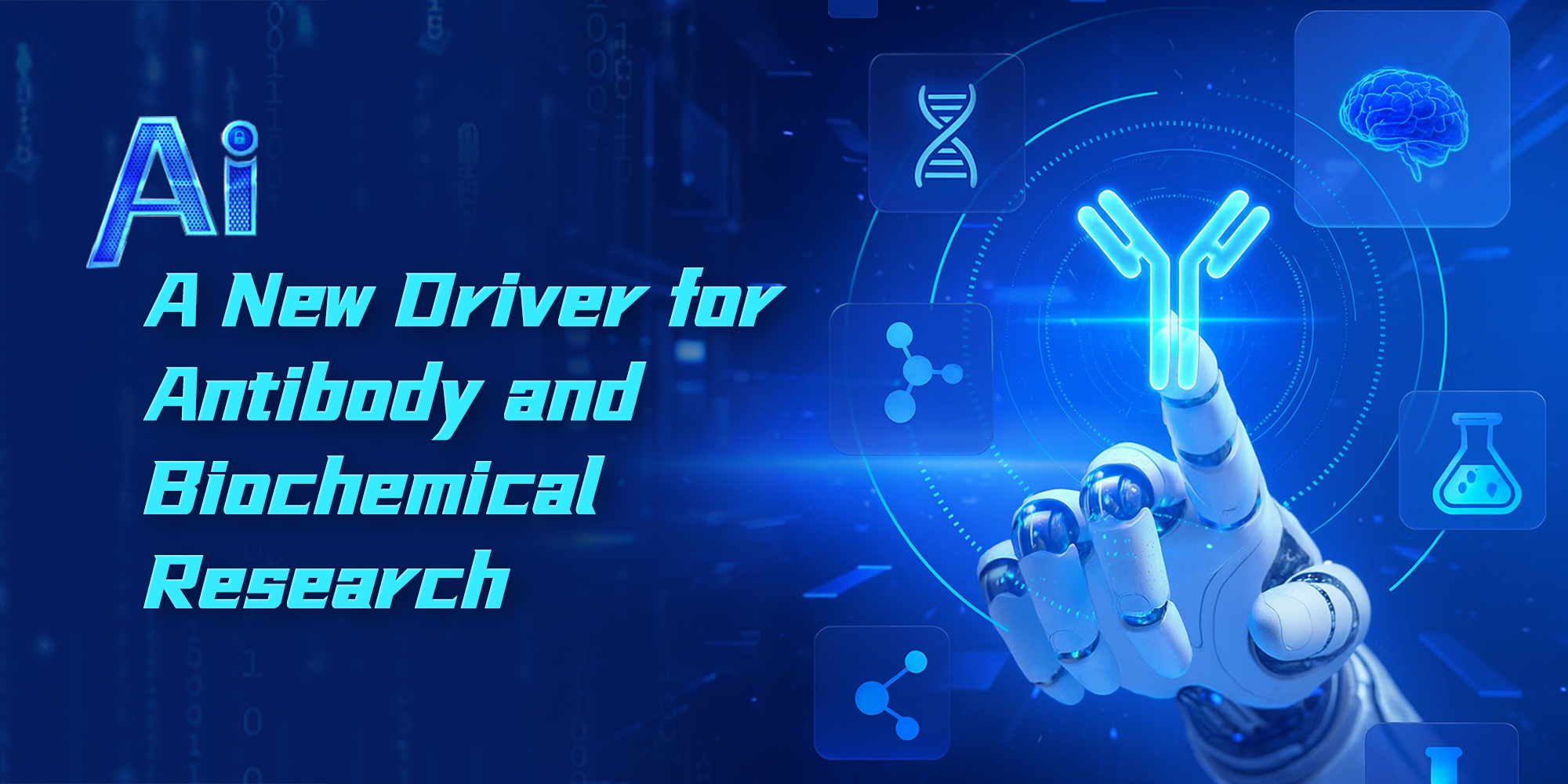
    Artificial intelligence is transforming how small research teams and individual scientists work at the bench. This article explores how AI tools can streamline antibody discovery, validation, and biochemical assays by reducing trial-and-error, improving reproducibility, and saving precious time and reagents. From epitope prediction and antibody selection to ELISA optimization, Western blot analysis, and immunohistochemistry, AI offers practical solutions that help labs achieve reliable results faster. Real-world case studies illustrate how AI has improved experimental success rates, prevented costly errors, and enhanced knowledge sharing in antibody research. Learn how to integrate AI into your workflow to boost productivity, cut costs, and accelerate innovation in biochemistry and life sciences. Keywords: AI antibody research, antibody validation, AI for small labs, epitope prediction, ELISA optimization, Western blot analysis, immunohistochemistry, lab productivity, biomedical AI tools.
    Read more
    AI as a Research Accelerator: How Small Labs Are Advancing Antibody Discovery
  2. A Comprehensive Guide to Epigenomic Profiling: ChIP-qPCR, ChIP-seq, CUT&RUN, CUT&Tag, and More

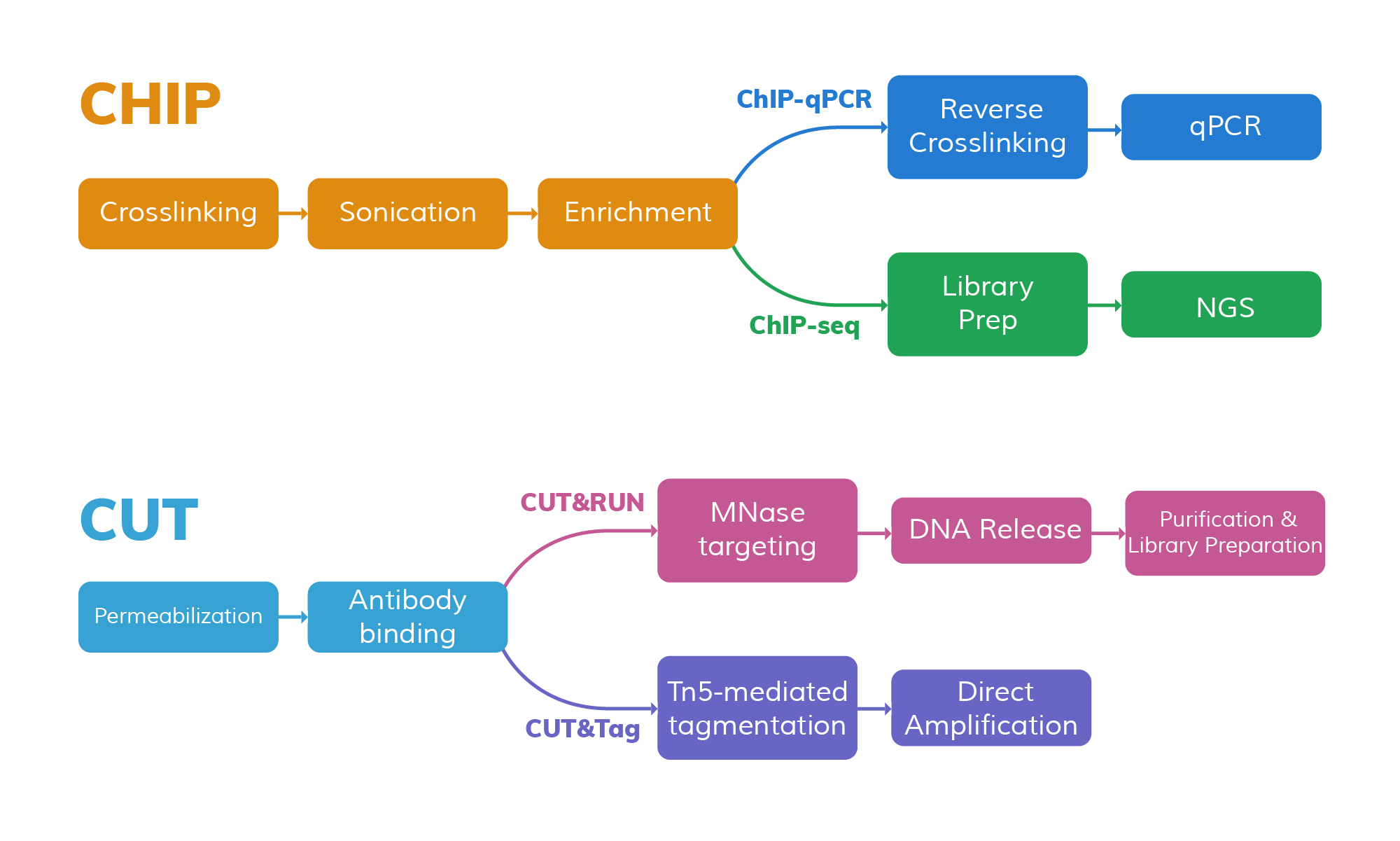
    In recent years, new techniques such as CUT&RUN (Cleavage Under Targets and Release Using Nuclease) and CUT&Tag (Cleavage Under Targets and Tagmentation using Tn5 transposase) have been introduced to improve sensitivity, reduce required sample input, and significantly lower background noise. These techniques have now become core tools in epigenetic research, providing strong technical support for both scientific discovery and clinical translation.
    Read more
    A Comprehensive Guide to Epigenomic Profiling: ChIP-qPCR, ChIP-seq, CUT&RUN, CUT&Tag, and More
  3. How Antibodies Contribute to Climate Change Research

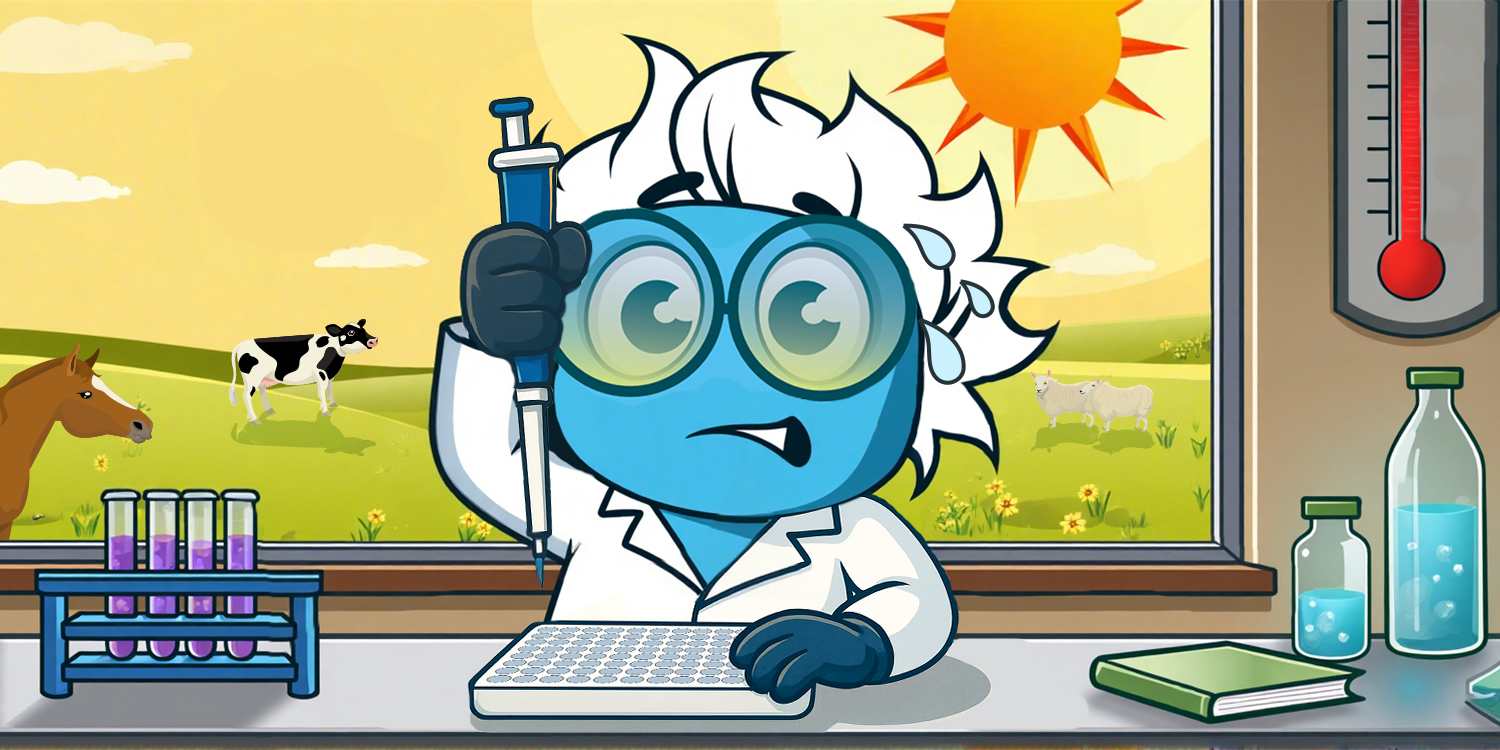
    Antibodies have long been seen as tools reserved for scientists tending to mice in temperature-controlled incubators. But outside the lab, global warming has shifted from a statistic on paper to wave after wave of heat crashing into our daily lives. Fortunately, a growing number of researchers are now harnessing the power of antibodies to study the consequences of climate change—and explore how humanity might respond.
    Read more
    How Antibodies Contribute to Climate Change Research
  4. Cellular Senescence: more than just a cellular shutdown

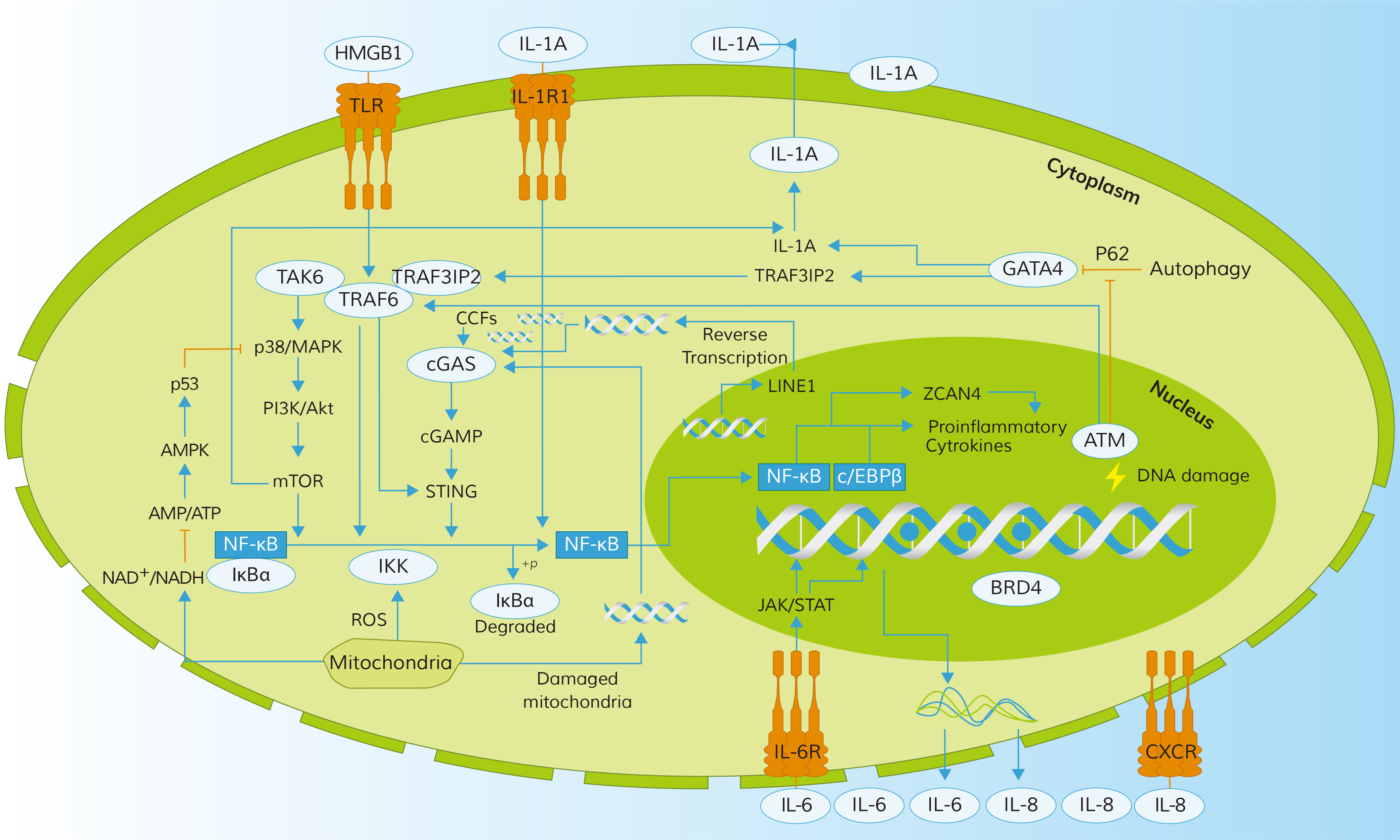
    Cellular senescence is more than just a cellular shutdown—it’s a powerful force in both tissue development and age-related disease. Our latest blog dives into the evolving science of senescent cells: how they contribute to embryogenesis and wound healing, yet also fuel chronic inflammation and degenerative disorders.
    Read more
    Cellular Senescence: more than just a cellular shutdown