This website uses cookies to ensure you get the best experience on our website.


- Table of Contents
Microbial expression systems use engineered microbial organisms, such as bacteria or yeast, for the expression of antibody fragments quickly, efficiently, and at scale. By stripping away the complexities of mammalian cell culture, these systems can deliver functional proteins in days instead of weeks, making them a valuable complement to custom antibody production in mammalian systems. Formats like the Fab fragment, F(ab’)₂, scFv fragments, and VHH single-chain antibodies are particularly well-suited to microbial production because of their small size, simpler protein folding requirements, and lack of dependence on mammalian N-linked glycosylation. When Fc domain functions or full glycan structures are unnecessary, bacterial production in hosts like Escherichia coli or yeast secretory expression in Pichia pastoris offers a streamlined path from gene expression to purified reagent.
Antibody engineering has moved far beyond hybridoma technology and transgenic animal production. Today, recombinant protein production in microbial hosts provides a flexible and accessible option for generating high-quality antibody fragments. These truncated antibody molecules retain their antigen binding sites while omitting constant domains such as the Fc domain, reducing molecular weight and improving tissue penetration. This makes them highly valuable for diagnostics, targeted therapeutic proteins, and research tools.
Unlike mammalian cells or insect cell lines using the Baculovirus expression system, microbes like Escherichia coli grow rapidly, require inexpensive cell culture media, and can be genetically modified with precise recombinant DNA methods. For labs under tight deadlines, gene expression using Escherichia coli cells can turn a DNA sequence into a purified recombinant antibody fragment in a short timeframe. For those who need secretion and partial posttranslational changes, Pichia pastoris and Saccharomyces cerevisiae provide robust expression systems with secretion into the secretory pathway, simplifying recovery.
Choosing the right host involves balancing yield, protein expression quality, and downstream requirements. Each host type has specific advantages and limitations.
Escherichia coli is the most widely used Gram-negative bacteria for recombinant protein expression, particularly for scFv fragments, single-chain fragment variable formats, and Fab fragments. Its periplasmic expression pathway supports disulfide bonds crucial for antigen binding stability. For challenging constructs, molecular chaperones such as protein disulfide isomerase and other chaperone proteins can improve folding efficiency and reduce protein aggregation. While E. coli has limited glycosylation capabilities compared to mammalian, most antibody Fab fragments and fusion proteins do not require glycan modifications, making it ideal for bacterial production of non-glycosylated therapeutic proteins.
Pichia pastoris and Saccharomyces cerevisiae are leading yeast expression systems for antibody fragments that benefit from secretion. Pichia pastoris offers high-density fermentation and yeast secretory expression into the culture medium, easing purification. It can add simple glycans via its glycosylation machinery, though these differ from mammalian glycosylation sites. Glycoengineered Pichia pastoris strains can be used when partial glycosylation pathways are desirable. Saccharomyces cerevisiae is less common for high-titer production but offers well-developed strain engineering tools and synthetic inducible promoters for controlled gene expression.
Specialty systems like Bacillus subtilis can secrete proteins directly into the medium and are naturally free of endotoxins, making them attractive for sensitive diagnostic applications. Filamentous fungi are valued for their ability to support complex protein folding and post-translational modifications, but in recombinant protein production they remain less widely adopted than hosts like E. coli and Pichia pastoris, partly due to slower growth and historically fewer advanced genetic engineering tools—ongoing developments are reducing these limitations.
Despite differences in host biology, microbial production follows a predictable sequence.
The workflow begins with obtaining DNA constructs encoding the target fragment, sourced from hybridoma technology, phage display libraries, or synthetic gene design. These sequences are inserted into expression vectors tailored to the host organism’s codon usage and optimized to avoid unfavorable mRNA secondary structures. Vectors typically include strong promoters, secretion signal peptides for yeast-based systems, and affinity tags to facilitate purification. For Escherichia coli, the T7 promoter is widely used, whereas in Pichia pastoris, the AOX1 promoter enables methanol-inducible expression.
Once the vector is ready, it is introduced into the host cells—commonly via chemical transformation or electroporation in E. coli and electroporation in P. pastoris. Gene expression is then induced under host-specific conditions: isopropyl β-D-1-thiogalactopyranoside (IPTG) induction in E. coli or methanol feeding in Pichia. Throughout this stage, fermentation parameters such as temperature, pH, and dissolved oxygen are closely monitored to support optimal protein yield.
Proper folding is essential for preserving antigen-binding activity. In E. coli, directing expression to the periplasm facilitates disulfide bond formation, while co-expression with molecular chaperones can reduce aggregation. In yeast systems, secretion through the endoplasmic reticulum exposes the protein to endogenous chaperones, promoting correct folding and post-translational modifications.
Scaling up production requires fine-tuning fermentation strategies. In E. coli, fed-batch fermentation maintains high cell densities and consistent productivity. In P. pastoris, managing the methanol utilization pathway is critical, as excessive methanol can cause stress and reduce yield. Across both systems, minimizing cellular stress is key to sustaining performance.
Downstream processing often begins with affinity chromatography—commonly using His-tags, Protein L, or antigen-specific ligands—to isolate the antibody fragment from the culture medium. This is followed by polishing steps such as ion-exchange or size-exclusion chromatography to remove host cell contaminants. For bacterial systems, additional endotoxin removal steps are required to meet therapeutic-grade standards.
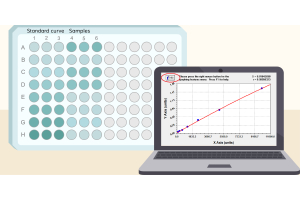
The final stage verifies that the product meets functional and regulatory requirements. Analytical assessments include SDS-PAGE for purity, mass spectrometry for identity, and binding assays such as ELISA or Western blot for functional performance. Stability testing ensures that the antibody fragment maintains its activity over time, supporting consistent therapeutic or diagnostic application.
Microbial expression systems enable the production of antibody fragments for a range of uses, spanning diagnostics, therapeutics, and research.
In assays such as ELISA, lateral flow devices, and biosensors, smaller antibody fragments can be densely immobilized on detection surfaces, enhancing signal sensitivity. Microbial production offers a rapid, cost-effective supply for these applications.
In the early days of custom antibody production, scientists explored various animal cell culture technology platforms to identify the ideal system
Growing demand for high-quality antibodies in therapeutics, diagnostics, and research is pushing innovation beyond traditional hybridoma technology and phage display methods. Single B cell antibody discovery addresses this need by enabling the direct isolation of antigen-specific B cells from immunized or naturally exposed subjects while preserving the native pairing of heavy and light chains, an approach that complements custom antibody production. This capability allows for the rapid generation of functional antibodies with greater diversity, including those targeting molecules that are difficult to address using conventional techniques.
Single B cell antibody discovery is a high-resolution single B cell screening technique that identifies and clones antibody sequences... from individual B cells. By isolating single antibody-secreting B cells and sequencing
Recombinant DNA technology is used to produce antibodies by assembling, expressing, and purifying antibody genes in vitro. This approach supports consistent, scalable antibody production without the need for animal immunogen preparation. It is widely applied in research, diagnostics, and therapeutic development, offering advantages in assay reliability and customization across the immune system.
Recombinant DNA technology involves combining DNA sequences from different sources to create new genetic constructs. In the context of antibody production, this means taking the genetic code that encodes an antibody’s variable and constant regions, inserting it into an expression vector, and producing the antibody in a host cell system such as mammalian cells, yeast, or bacteria.
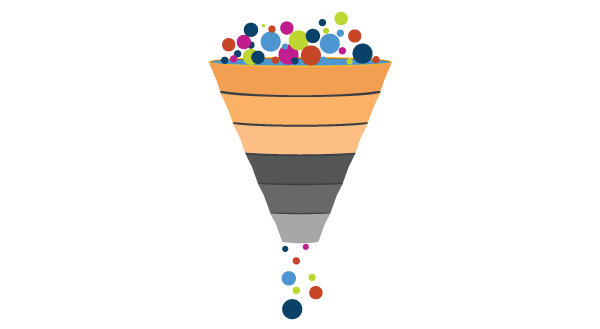
Compound screening is a service that enables rapid screening of thousands of compounds to identify a ‘hit’, or a compound that elicits a desired biochemical effect against a validated target or a phenotypic effect in cells. Compound screening can rapidly assess thousands of potential compounds and narrow down a list of ‘hits’ that can then be evaluated in more detail. Automated compound screening can complete this daunting task in a matter of hours which would otherwise take a team of researchers several days or months of laborious benchwork. The resulting data can support downstream applications in drug discovery, biomarker research, and the development of in vitro diagnostic test kits. There are a few types of compound screening, which we will briefly discuss below:
High-throughput screening is a highly automated process that allows for fast testing of hundreds of thousands of compounds in a library against a target or cell line for a particular biological or chemical effect [1]. The three general steps of high-throughput screening include: 1) Selecting a diverse, relevant library for testing, 2) setting up a suitable automated workflow with a robotics station, and 3) determining the method of acquiring and processing data. High-throughput screening usually occurs in a miniaturized format, such as in a 96-well, 384-well, or other plate format [1]. The miniaturization of the process enabled minute amounts of chemicals or drugs to be used in testing and the automation of the process allowed for a dramatic decrease in the time and labor needed to screen these compounds [1]. In fact, the process of quantitative high-throughput screening (qHTS) added an additional layer of complexity to high-throughput screening: testing varying concentrations of a single compound simultaneously to establish a dose curve [2]. By establishing a dose curve during screening, the rate of false negative and false positive hits has decreased [2]. Overall, high-throughput screening has dramatically improved the process of screening multitudes of compounds in a rapid fashion, helping researchers spend less time on labor-intensive screens and more time on validating intriguing hits.
While one of the advantages of high-throughput screening is the ability to screen through enormous libraries of compounds, focused screening, as the name suggests, narrows down the library to a smaller fraction of compounds [3]. If there is already some information on a target that suggests certain compounds would react with it in the desired fashion, focused screening allows for testing of a smaller list of compounds [3]. While this method may not work if there is not much data on a target or if the researcher wants to cast a wide net when searching for hits, it can certainly reduce the cost and the timeframe of screening if many compounds can already be eliminated from the initial screening process [3].
Virtual screening is a highly sophisticated process that considers the potential interactions of compounds and a target based on the current structural information of the target [3]. Similar to focused screening, this method can be used initially to narrow down a broad list of compounds to a more manageable list of potential compounds, all while conducting initial screens in silico [3].
Compound screening can be used in a variety of assays, from drug discovery to screening for compounds that target a receptor on cells to induce a signaling pathway. We will briefly discuss applications of compound screening in reporter cell lines, compound screening in drug discovery, as well as some practical considerations, such as timeline and cost for screening assays.
Many compound screens rely on examining the biochemical interaction between a target and a compound. However, other screens utilize cell culture in order to identify hits that affect receptors, ion channels on the cell surface, etc. [3]. Reporter cell lines in particular can prove useful when screening for hits. To support these assays, consider our curated Reporter cell lines — engineered for robust luciferase-based readouts in screening applications. For example, one study used cells overexpressing a validated target and a biosensor. When a compound in the screen would bind to the target receptor, a cascade of intracellular events resulted in luminescence, which could be measured and quantified in the assay [3,4]. Utilizing this reporter cell line in high-throughput screening enabled researchers to test numerous compounds quickly and simply through the evaluation of luminescence produced in vitro [3,4]. Other studies have used reporter cell lines in compound screening and identified hits by measuring luciferase in common murine and human cell lines [5]. To enhance delivery efficiency for transgene expression in reporter-based assays, AAV Packaging Service offers a reliable solution for generating high-titer viral vectors compatible with various reporter constructs.
For every drug that was discovered, there were countless potential compounds that were initially screened out. In the initial stages of drug discovery, compound screening is paramount in finding a few potential hits among thousands of compounds, especially since it already takes over a decade on average from the initial stages of research to the release of new drugs [3]. Compound screening, especially high-throughput screening, has improved the process of screening for potential drugs against targets. Quantitative high-throughput screening for compounds also improves the process, as it allows for screening of multiple concentrations of the drug and can decrease false positives and negatives in screens [2]. An ideal drug binds with high specificity to a target and works at a low concentration to minimize side effects. In this regard, high-throughput screening and quantitative high-throughput screening enable more rapid testing of compounds to find ‘hits’ that can be evaluated in vitro and in vivo.
In drug discovery, on average 200,000 to over 1 million compounds may be screened to narrow down a list of potential hits [3]. Once the list is narrowed after compound screening, select compounds are focused on and validated [3]. However, not every compound library contains over a million compounds to be tested. In fact, focused screening and physiological screening focus on a much smaller initial list, reducing the overall cost and time required for the screen.
Before a screen can begin, a target must first be identified and validated as biologically relevant to the disease or mechanism researchers aim to affect [3]. Through in vitro and in vivo work, the target should be validated in multiple ways that it plays an important role in the disease or mechanism of interest [3]. Once a target has been validated (or shown that it does play a crucial role in the disease or condition thr...