This website uses cookies to ensure you get the best experience on our website.


- Table of Contents
and ELISA kits, proteins related to Neurons.
Neurons are the essential building blocks of the nervous system, responsible for transmitting and processing information throughout the body. These specialized cells communicate through intricate electrical and chemical signals, enabling everything from basic reflexes to complex cognitive functions like learning, memory, and emotion. Understanding neuronal structure and function is crucial for unraveling the complexities of the brain and addressing neurological disorders. Antibodies play a vital role in neuron research by allowing scientists to identify, visualize, and manipulate specific proteins and pathways within these cells. High-quality neuronal antibodies facilitate breakthroughs in mapping neural networks, studying synaptic connections, and exploring the molecular mechanisms underlying conditions such as Alzheimer's, Parkinson's, and autism. Our comprehensive selection of neuron-related antibodies supports cutting-edge research, empowering scientists to advance our knowledge of the nervous system and develop innovative therapeutic strategies.
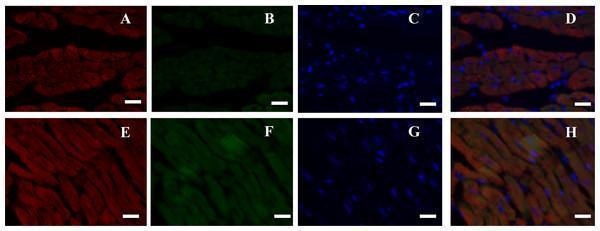
M11954
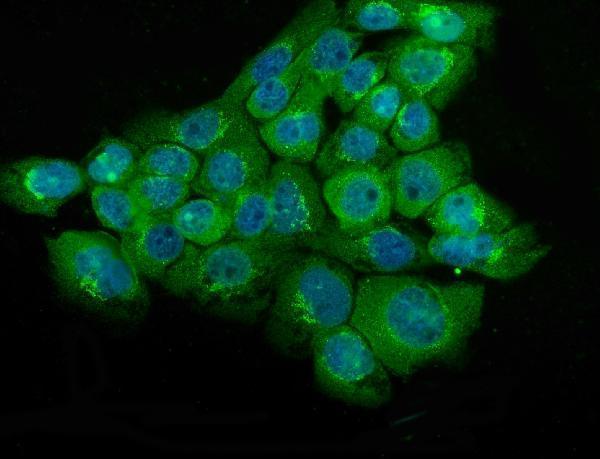
A02930
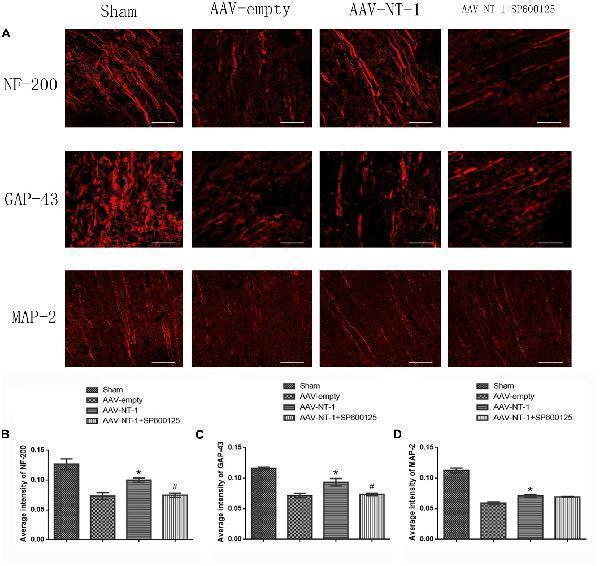
A05307
| Protein Name | Gene Name | Function |
|---|---|---|
| NeuN | RBFOX3 | Neuronal nuclei marker for mature neurons |
| MAP2 | MAP2 | Microtubule-associated protein involved in dendritic structure |
| Synaptophysin | SYP | Presynaptic vesicle protein involved in synaptic transmission |
| Tau | MAPT | Microtubule-associated protein involved in axonal stability |
| PSD-95 | DLG4 | Postsynaptic density protein involved in synaptic signaling |
| ChAT | CHAT | Choline acetyltransferase involved in acetylcholine synthesis |
| Neurofilament 200 | NEFH | Structural component of the neuronal cytoskeleton |
| VGLUT1 | SLC17A7 | Vesicular glutamate transporter involved in glutamate neurotransmission |
| GAD67 | GAD1 | Glutamate decarboxylase involved in GABA synthesis |
| DARPP-32 | PPP1R1B | Dopamine- and cAMP-regulated neuronal phosphoprotein involved in signal transduction |
| Calbindin | CALB1 | Calcium-binding protein involved in calcium buffering in neurons |
| REELIN | RELN | Extracellular matrix protein involved in neuronal migration and positioning |
| SNAP25 | SNAP25 | Synaptosomal-associated protein involved in synaptic vesicle fusion |
| NSE | ENO2 | Neuron-specific enolase, a marker for neuronal differentiation and injury |
| NCAM1 | NCAM1 | Neural cell adhesion molecule involved in cell-cell adhesion and neurite outgrowth |
| STMN2 | STMN2 | Stathmin 2 involved in microtubule destabilization and neuronal development |
| SYP | SYP | Synaptophysin, involved in synaptic vesicle trafficking |
| FOX3 | RBFOX3 | RNA-binding protein involved in neuronal differentiation |
| CAMKIIα | CAMK2A | Calcium/calmodulin-dependent protein kinase involved in synaptic plasticity |
| ELAVL3 | ELAVL3 | RNA-binding protein involved in neuronal mRNA stabilization |
Synaptic plasticity refers to the ability of synapses—the connections between neurons—to strengthen or weaken over time in response to increases or decreases in their activity. This dynamic adaptability is fundamental to processes such as learning, memory formation, and cognitive flexibility. There are two primary forms of synaptic plasticity: long-term potentiation (LTP) and long-term depression (LTD). LTP involves the persistent strengthening of synaptic connections following high-frequency stimulation, enhancing the efficiency of neuronal communication. Conversely, LTD entails the gradual weakening of synaptic efficacy in response to low-frequency stimulation, allowing for the fine-tuning of neural circuits. Understanding synaptic plasticity mechanisms provides critical insights into how experiences shape the brain's structure and function, contributing to both normal cognitive processes and the development of neurological disorders. Advanced research in this area explores molecular pathways, such as calcium signaling and receptor trafficking, that underlie synaptic modifications, offering potential therapeutic targets for enhancing cognitive abilities and treating conditions like Alzheimer's disease and depression.
Ion channel dynamics encompass the study of how ion channels—protein structures embedded in neuronal membranes—regulate the flow of ions such as sodium, potassium, calcium, and chloride across the cell membrane. These channels are essential for generating and propagating electrical signals known as action potentials, which are the foundation of neuronal communication. The precise opening and closing of ion channels determine the excitability of neurons, influencing processes like signal initiation, transmission speed, and synaptic integration. Research in this area investigates various types of ion channels, including voltage-gated, ligand-gated, and mechanically-gated channels, each responding to different stimuli to modulate neuronal activity. Additionally, the modulation of ion channel function by neurotransmitters, second messengers, and pharmacological agents is a key focus, with implications for understanding and treating neurological disorders such as epilepsy, multiple sclerosis, and chronic pain. Advances in ion channel research also contribute to the development of novel drugs and therapeutic strategies aimed at restoring normal neuronal function and mitigating the effects of ion channelopathies.