This website uses cookies to ensure you get the best experience on our website.


- Table of Contents
and ELISA kits, proteins related to Pericytes.
Pericytes are specialized cells that play a critical role in the microvascular health of tissues. Located on the walls of blood capillaries and microvessels, these cells have both structural and functional significance. Pericytes regulate blood flow, contribute to the stabilization and maturation of blood vessels, and are pivotal in the blood-brain barrier's integrity. Their multifunctional nature extends to roles in tissue repair and regeneration, making them key players in response to injury and in various disease processes. Research on pericytes is dynamic and vital, as understanding their behavior can lead to breakthroughs in treating vascular-related conditions, including cancer, diabetic complications, and neurodegenerative diseases. Antibodies targeting pericytes are indispensable tools in this field, enabling scientists to identify, study, and manipulate these cells in both disease and health. Enhanced knowledge of pericyte biology facilitated by antibody research opens the door to novel therapeutic strategies aimed at vascular and tissue health.
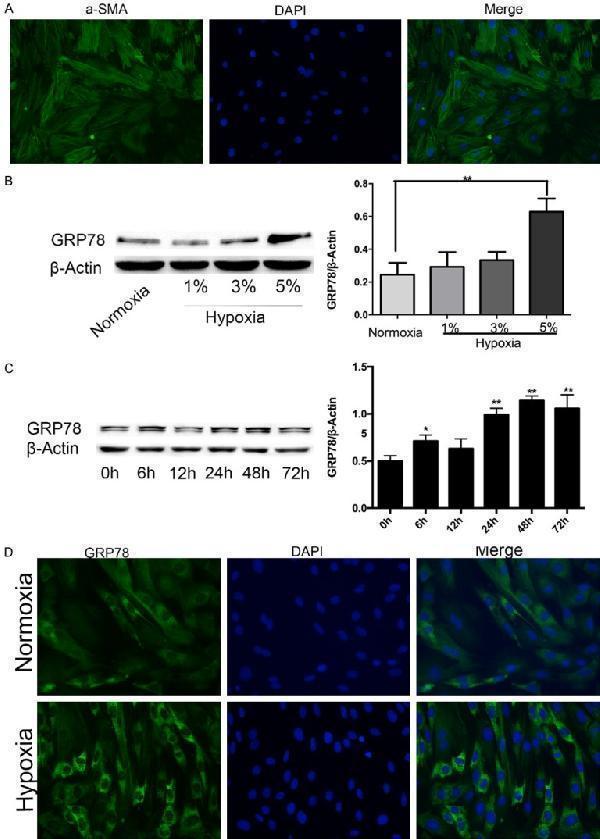
Anti-alpha smooth muscle Actin ACTA2 Rabbit Monoclonal Antibody, GRP78 is upregulated in hypoxic rat PASMCs. A. The purity of PASMCs was identified by αSMA...

Anti-Collagen IV/COL4A1 Antibody Picoband®, IF analysis of COL4A1/E Cadherin using anti-COL4A1/E Cadherin antibody (PB9099/M00063-2)
COL4A1/E Cadherin was detected i...

Anti-VCAM1/Cd106 Rabbit Monoclonal Antibody, NETs are increased and related to endothelial cell injury in humans and rats with AAV. (A ) Immunofluorescence staining of neutroph...
| Protein Name | Gene Name | Function |
|---|---|---|
| PDGFRβ | PDGFRB | Platelet-derived growth factor receptor beta, key in pericyte recruitment and angiogenesis. |
| NG2 | CSPG4 | Neural/glial antigen 2, involved in cell-matrix interactions and cytoskeletal organization. |
| CD146 | MCAM | Melanoma cell adhesion molecule, involved in cell adhesion, signaling and angiogenesis. |
| α-SMA | ACTA2 | Alpha-smooth muscle actin, marker for myofibroblast-like properties and contractility. |
| Desmin | DES | Intermediate filament protein, structural support and organization in muscle cells. |
| RGS5 | RGS5 | Regulator of G-protein signaling 5, modulates signaling in cardiovascular development. |
| PDGFRα | PDGFRA | Platelet-derived growth factor receptor alpha, similar roles as PDGFRβ in development and repair. |
| CD13 | ANPEP | Aminopeptidase N, involved in angiogenesis and pericyte migration. |
| CD248 | CD248 | Endosialin or tumor endothelial marker 1, involved in tumor angiogenesis and cell migration. |
| Notch 3 | NOTCH3 | Critical for vascular development, regulates pericyte proliferation and survival. |
| Tie2 | TEK | Angiopoietin-1 receptor, key for vascular stability and pericyte-endothelium interaction. |
| Calponin | CNN1 | Involved in smooth muscle tone regulation and vascular contractility. |
| bFGF | FGF2 | Basic fibroblast growth factor, promotes angiogenesis and wound healing. |
| Nestin | NES | Intermediate filament protein, indicative of neural progenitor cells and developmental processes. |
| SM22α | TAGLN | Transgelin, involved in cytoskeletal dynamics and smooth muscle contraction. |
| VCAM-1 | VCAM1 | Vascular cell adhesion molecule, mediates leukocyte-endothelial cell adhesion and signaling. |
| Occludin | OCLN | Component of tight junctions, crucial for blood-brain barrier integrity. |
| Collagen IV | COL4A1 | Type IV collagen, structural component of basement membranes, support and filtration in capillaries. |
| Laminin | LAMA4 | Component of the extracellular matrix, vital for basement membrane architecture and stability. |
Pericytes are pivotal in maintaining the structural and functional integrity of the blood-brain barrier (BBB), a critical barrier that regulates the movement of substances between the bloodstream and the central nervous system. These cells are embedded in the basement membrane of capillaries and play a crucial role in supporting capillary stability and permeability. The interactions between pericytes, endothelial cells, and other components of the neurovascular unit facilitate tight control over the BBB’s permeability, vital for protecting neuronal tissue from pathogenic substances and maintaining neural microenvironment homeostasis. Dysfunction in pericyte coverage or performance can lead to BBB breakdown, contributing to various neurological disorders such as stroke, multiple sclerosis, and Alzheimer's disease. Research into this area seeks to decipher the complex signaling pathways that govern pericyte function and the implications of their dysregulation, offering insights into potential therapeutic targets for enhancing BBB resilience and treating neurodegenerative diseases.
Pericytes play a critical role in angiogenesis—the process of new blood vessel formation, which is crucial for development, wound healing, and the progression of diseases such as cancer. These cells are intricately involved in stabilizing and maturing the newly formed blood vessels, a function they perform in coordination with endothelial cells. Pericytes aid in the recruitment, attachment, and organization of endothelial cells during tubulogenesis and help in the secretion of extracellular matrix components, essential for the structural integrity of blood vessels. Understanding pericyte dynamics during angiogenesis provides insights into disorders characterized by abnormal blood vessel formations, such as diabetic retinopathy and cancer metastasis. Research is focused on manipulating pericyte-endothelial interactions to modulate angiogenic responses, aiming for novel treatments that could regulate angiogenesis in pathological conditions.