This website uses cookies to ensure you get the best experience on our website.


- Table of Contents
and ELISA kits, proteins related to Crohn's Disease.
Crohn's Disease is a chronic inflammatory condition that affects the gastrointestinal tract, classified under inflammatory bowel diseases (IBD). It can target any part from the mouth to the anus, but most commonly impacts the end of the small intestine and the beginning of the large intestine. Characterized by symptoms such as abdominal pain, persistent diarrhea, fatigue, and weight loss, Crohn's Disease significantly impacts patients' quality of life. The exact cause remains unclear, though it is believed to result from a combination of genetic, immune, and environmental factors. Current research is increasingly focused on the role of antibodies in the disease’s progression and management. By exploring antibody-related mechanisms, scientists aim to develop more effective, targeted therapies that can better control inflammation and induce long-term remission, offering renewed hope for those affected by Crohn's Disease.
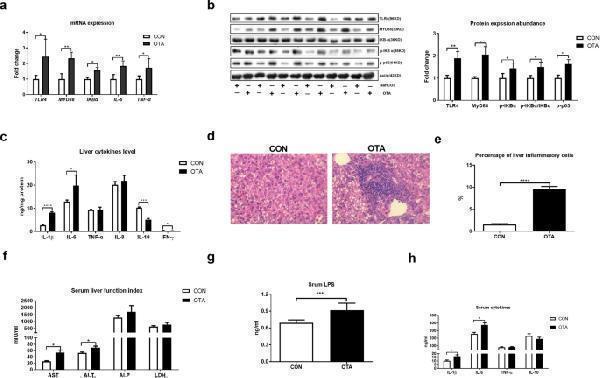
PA1484
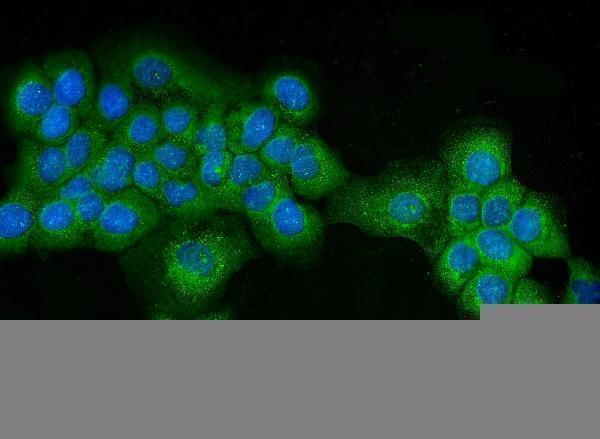
A00526-3
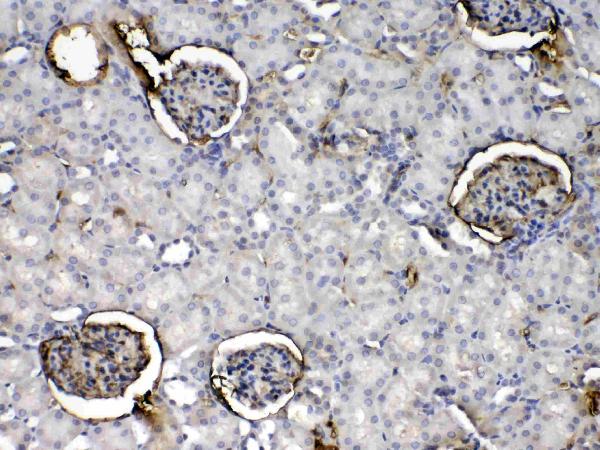
A00249-1
| Protein Name | Gene Name | Function |
|---|---|---|
| C-reactive protein (CRP) | CRP | Acute-phase protein, marker of systemic inflammation |
| Tumor Necrosis Factor-alpha (TNF-α) | TNF | Pro-inflammatory cytokine involved in systemic inflammation |
| NOD2/CARD15 | NOD2 | Involved in bacterial recognition and innate immunity |
| Interleukin-23 Receptor (IL23R) | IL23R | Plays role in inflammatory pathways via the IL-23/Th17 axis |
| Autophagy-related 16 like 1 (ATG16L1) | ATG16L1 | Autophagy-related, involved in handling intracellular bacteria |
| Immunity-Related GTPase M (IRGM) | IRGM | Autophagy and innate immunity |
| Matrix Metalloproteinase-9 (MMP-9) | MMP9 | Involved in extracellular matrix remodeling |
| CD14 | CD14 | Co-receptor for recognition of bacterial lipopolysaccharides |
| Interleukin-1 beta (IL-1β) | IL1B | Pro-inflammatory cytokine |
| Interleukin-6 (IL-6) | IL6 | Pro-inflammatory cytokine |
| Interleukin-10 (IL-10) | IL10 | Anti-inflammatory cytokine |
| Toll-like receptor 4 (TLR4) | TLR4 | Important for innate immune response |
| Interferon-gamma (IFN-γ) | IFNG | Pro-inflammatory cytokine, activates macrophages |
| HLA-DRB1 | HLA-DRB1 | MHC class II molecule involved in immune response |
| Janus Kinase 2 (JAK2) | JAK2 | Tyrosine kinase involved in cytokine signaling |
| Vitamin D Receptor (VDR) | VDR | Mediates effects of vitamin D on immune system |
| Interleukin-17A (IL-17A) | IL17A | Pro-inflammatory cytokine involved in Th17 responses |
Immune system dysregulation is a critical area of research in Crohn's Disease, focusing on understanding how the body’s immune responses contribute to chronic intestinal inflammation. In individuals with Crohn's, the immune system erroneously targets the gastrointestinal tract, leading to persistent inflammation and tissue damage. Researchers investigate the roles of various immune cells, including T cells, macrophages, and dendritic cells, and the signaling pathways that become overactive or impaired. Key cytokines, such as tumor necrosis factor-alpha (TNF-α) and interleukins, are studied for their involvement in promoting inflammatory responses. Understanding these immune mechanisms is essential for developing targeted therapies that can modulate the immune system, reduce inflammation, and induce remission. Advances in this area have led to the development of biologic drugs that specifically target immune mediators, offering more effective and personalized treatment options for patients with Crohn's Disease.
The gut microbiome, comprising trillions of microorganisms residing in the gastrointestinal tract, plays a pivotal role in maintaining intestinal health and immune function. Research in this sub area explores how alterations in the composition and diversity of the gut microbiota contribute to the pathogenesis of Crohn's Disease. Dysbiosis, or the imbalance of beneficial and harmful bacteria, has been linked to increased intestinal permeability, heightened immune responses, and chronic inflammation characteristic of Crohn's. Studies focus on identifying specific bacterial strains that are depleted or overrepresented in affected individuals and understanding how these changes influence disease progression. Additionally, researchers investigate the potential of probiotics, prebiotics, and fecal microbiota transplantation as therapeutic strategies to restore a healthy microbiome balance. Insights gained from microbiome research are crucial for developing novel interventions aimed at preventing disease flare-ups and promoting long-term remission in Crohn's Disease patients.