This website uses cookies to ensure you get the best experience on our website.


- Table of Contents
and ELISA kits, proteins related to Hashimoto’s Thyroiditis.
Hashimoto’s Thyroiditis, also known as chronic lymphocytic thyroiditis, is an autoimmune disorder and the most common cause of hypothyroidism in the United States. It occurs when the immune system mistakenly attacks the thyroid gland, leading to inflammation and an inability to produce sufficient thyroid hormones. This condition affects millions, predominantly middle-aged women, but can also occur in men and women of any age and even in children. Symptoms of Hashimoto’s can vary widely and may include fatigue, weight gain, cold intolerance, depression, and dry skin. As the disease progresses, the thyroid may enlarge forming a goiter. Diagnosis is typically confirmed through blood tests measuring thyroid hormone levels and thyroid-specific antibodies. Recent research has expanded our understanding of the molecular and genetic bases of Hashimoto’s, highlighting the significance of both genetic predisposition and environmental factors. This page is dedicated to the ongoing research and development of specific antibodies that play a crucial role in both the diagnosis and potential therapeutic interventions for Hashimoto's Thyroiditis.

Anti-Hsp70/HSPA1A/HSPA1B Antibody Picoband®, IF analysis of Hsp70 using anti-Hsp70 antibody (PA1214).
Hsp70 was detected in immunocytochemical section of Hela cells. Enzyme antigen retr...

Anti-Interferon gamma/IFNG Antibody Picoband®, Immunotherapeutic effects of TPM1 on 4T1 cells in vitro. a Experimental scheme for co-culture of activated CD8 + T cells and 4T1 tum...
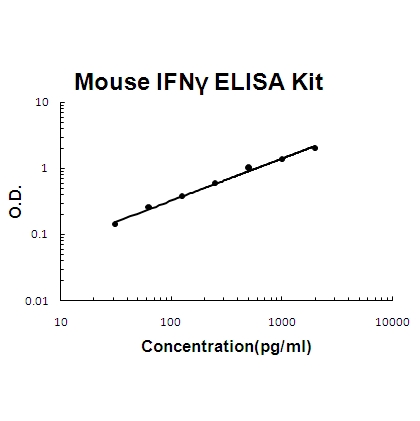
Mouse IFN gamma ELISA Kit EZ-Set™ (DIY Antibody Pairs), Mouse IFN gamma EZ-Set ELISA Kit standard curve...
| Protein Name | Gene Name | Function |
|---|---|---|
| Thyroid Peroxidase | TPO | Catalyzes thyroid hormone synthesis; major autoantigen in Hashimoto's. |
| Thyroglobulin | TG | Precursor to thyroid hormones, target of autoantibodies in Hashimoto's. |
| Thyroid Stimulating Hormone Receptor | TSHR | Regulates thyroid cell metabolism and growth, possibly involved in autoimmune response. |
| Thyrotropin-Releasing Hormone Receptor | TRHR | Regulates TSH release, impacts thyroid function indirectly. |
| Sodium/Iodide Symporter | SLC5A5 | Mediates iodide uptake into thyroid cells, essential for hormone synthesis. |
| Pendrin | SLC26A4 | Involved in iodide organification and thyroid hormone synthesis. |
| Dual Oxidase 2 | DUOX2 | Generates hydrogen peroxide needed for thyroid hormone synthesis. |
| Thyroid Hormone Receptor Alpha | THRA | Binds thyroid hormone, mediating its metabolic effects. |
| Thyroid Hormone Receptor Beta | THRB | Binds thyroid hormone, crucial for normal thyroid function. |
| Thyrotropin Releasing Hormone | TRH | Stimulates release of thyroid stimulating hormone. |
| Interferon Gamma | IFNG | Promotes thyroid autoimmunity by activating macrophages and other immune cells. |
| Transforming Growth Factor Beta | TGFB1 | Regulates immune response and inflammation in thyroid gland. |
| Programmed Death-1 | PDCD1 | Negative regulator of immune responses; implicated in autoimmunity. |
| Cytotoxic T-Lymphocyte Associated Protein 4 | CTLA4 | Inhibitory receptor on T cells; polymorphisms associated with Hashimoto's. |
| Heat Shock Protein 70 | HSPA1B | Stress-induced protein that may be a target of autoimmune response. |
| Interleukin 2 | IL2 | Promotes T cell proliferation, implicated in autoimmune thyroid diseases. |
| Interleukin-7 | IL7 | Crucial for T and B cell development; may influence autoimmune processes. |
| Forkhead Box P3 | FOXP3 | Regulatory T cell marker; involved in maintaining self-tolerance and immune homeostasis. |
The development and progression of Hashimoto's Thyroiditis (HT) predominantly hinge on autoimmune mechanisms that attack the thyroid gland, leading to chronic inflammation and eventual hypothyroidism. Central to this mechanism is the dysregulation of the immune system, where thyroid autoantibodies such as thyroid peroxidase (TPO) antibodies and thyroglobulin antibodies mistakenly target thyroid-specific proteins. This autoimmune reaction is not only linked to genetic predisposition but is also influenced by environmental factors, such as selenium deficiency or excessive iodine intake, which can exacerbate or trigger the condition. Understanding these autoimmune processes is crucial for developing targeted therapies that can modulate the immune response, aiming to preserve thyroid function and reduce the dependency on thyroid hormone replacement.
Hashimoto’s Thyroiditis is characterized by a significant interplay between genetic susceptibility and environmental factors. Researchers pin down several genes as likely contributors to the predisposition of HT, including genes involved in the immune response such as HLA-DR and CTLA-4. These genetic factors, combined with environmental triggers such as infections, stress, and exposure to certain chemicals or toxins, create a backdrop for the autoimmune assault on the thyroid gland. Studies that delve into the genetic basis are essential because they help identify individuals at risk and understand the mechanistic pathways of HT, paving the way for preventive strategies and tailored interventions. This area of research remains a hive of activity as scientists seek to clear the fog around the precision of these interactions and their mitigation.