This website uses cookies to ensure you get the best experience on our website.


- Table of Contents
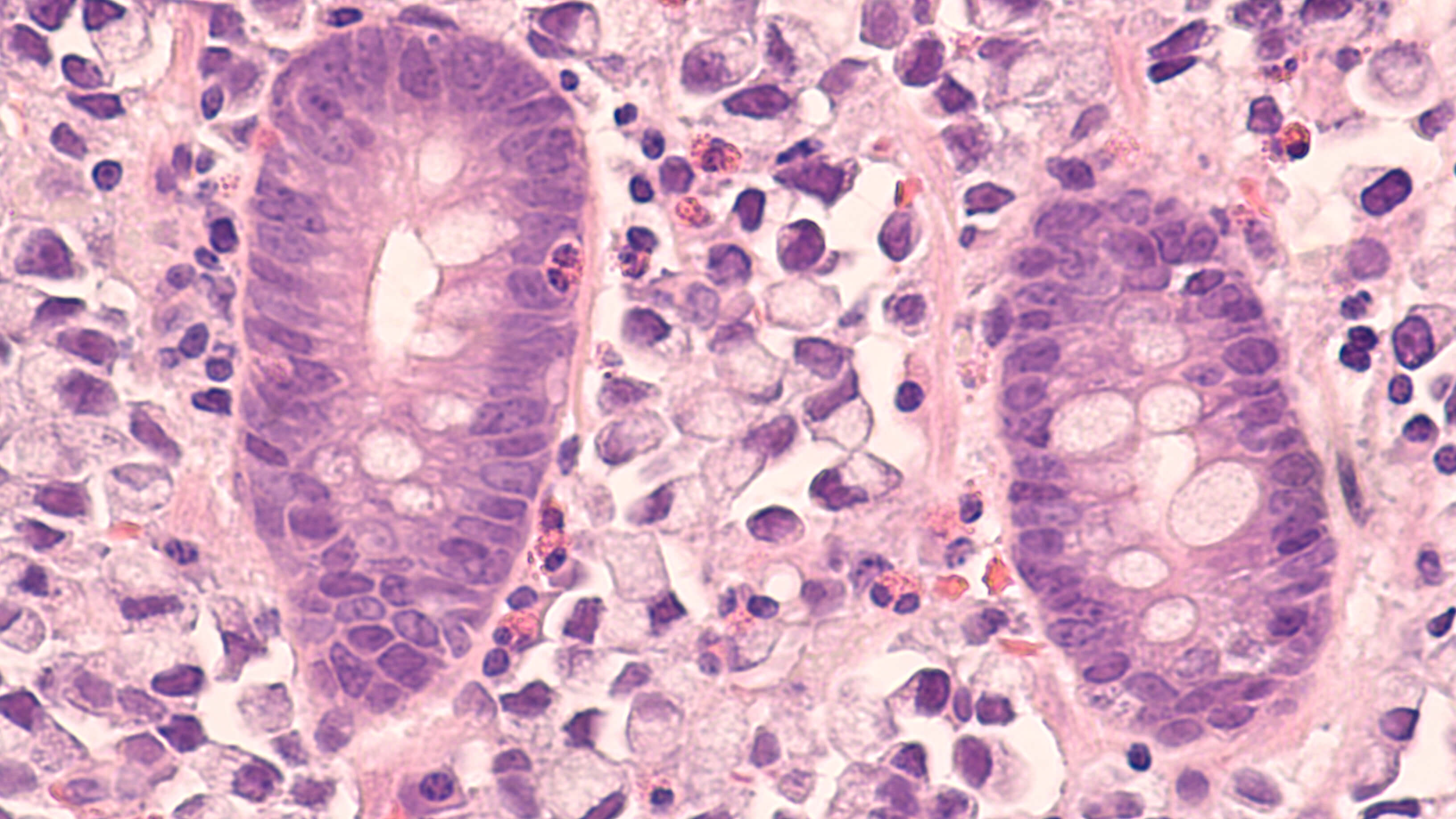
Immunohistochemistry (IHC) is a popular protein detection method that utilizes antibody-antigen interactions to visualize the distribution and localization of specific cellular components within cells and in their proper tissue context. This methodology also forms the basis for more complex techniques like Multiplex Assay, which enables simultaneous detection of multiple targets within a single tissue sample.
In the lab, researchers invest time and effort to optimize the sample preparation and sample staining processes of IHC. For those looking to streamline this process or scale up experiments, IHC staining services can provide standardized, high-quality results. When successful, the results produce a strong and specific signal.
Controls serve as internal checks that help differentiate between true positive signals and artefacts caused by nonspecific binding, autofluorescence, or protocol errors. Including appropriate IHC controls strengthens the validity and reproducibility of your findings.
For researchers seeking expert validation of their IHC results, utilizing a Pathology Review Service ensures accurate interpretation of staining and identification of any anomalies, improving data reliability.
Positive tissue controls involve staining a tissue known to express the target protein. If staining is observed, the assay is functioning correctly. Lack of staining indicates an issue with the protocol that requires troubleshooting.l
To identify suitable positive controls, a good starting place is to check the antibody’s datasheet. Boster Bio provides the Uniprot ID on the datasheet so that you will be able to access a list of tissues that express your protein interest, which can be used as positive controls.
Negative tissue controls are used to reveal non-specific binding and false positive results. These controls should come from tissues that do not express the target protein. Any observed staining suggests non-specific binding, indicating a potential issue with antibody specificity or protocol conditions
Knockdown (KD) and knockout (KO) tissues are commonly used as negative controls, as they significantly reduce or eliminate expression of the target protein, providing a reliable baseline for comparison.
Certain cells and tissue types, in particular those abundant in collagen, elastin, and lipofuscin, possess inherent biological properties that emit natural fluorescence (aka autofluorescence). If this is unnoticed, it could be misinterpreted as positive staining when it is actually background staining.
No primary controls (aka secondary antibody only controls), are used to assess nonspecific binding by the secondary antibody. The protocol remains the same, except the primary antibody is omitted. The samples are incubated with only the antibody diluent, followed by the secondary antibody and detection reagents. Any resulting signal indicates that the secondary antibody may be binding nonspecifically to tissue components, leading to false positives. Proper labeling of secondary antibodies—often facilitated by an antibody conjugation service—is essential for minimizing such issues.
An isotype control is an antibody of the same class, clonality, and host species as the primary antibody, but with no specificity to the target antigen. They are antibodies that match the isotype, clonality, conjugate, and host species of the primary antibody but lack specificity for the target antigen.
When working with monoclonal antibodies, consider including isotype controls in your experiment. For researchers working specifically with rabbit monoclonals, integrating Rabbit Monoclonal Antibody services can further support the development of highly specific antibodies tailored for reliable IHC performance. An isotype control is an antibody of the same isotype (e.g. IgG2, IgM, IgY), clonality, conjugate, and host species as the primary antibody, which targets a molecule that is not present in the sample. For example, the target could be a chemical or a non-mammalian protein.
Instead of incubating the sample with the specific primary antibody, the isotype control sample is incubated with the isotype control antibody at the same concentration under the same experimental conditions. The result of this control will help validate that the observed staining is indeed specific and not produced by nonspecific interactions of the antibody with the samples.
A lack of staining in the isotype control confirms that the signal in your test sample is specific to the target antigen.
Absorption controls are utilized to test if the primary antibody binds specifically to the antigen of interest. The antibody is first incubated overnight with the immunogen. After saturation, the inactivated antibody replaces the primary antibody in the IHC protocol for the control. This should lead to little or no staining of the tissue at the specific antibody binding sites when compared with the observed staining.
It is important to keep in mind that the absorption control will work better if the immunogen is a purified peptide. If the immunogen is a whole protein, nonspecific binding might take place between the protein and the tissue, leading to incorrect interpretations.
Incorporating the right IHC controls is essential for producing reliable, interpretable, and reproducible results. Each control—whether positive, negative, or designed to assess nonspecific binding—serves a distinct role in validating your staining outcomes and identifying potential sources of error. Integrating all six control types into your workflow helps ensure that observed signals truly reflect the presence of your target protein.
Access our Technical Resource Center for more IHC tips and troubleshooting guidance.
Questions? Contact support@bosterbio.com and we will be happy to assist you.