This website uses cookies to ensure you get the best experience on our website.


- Table of Contents
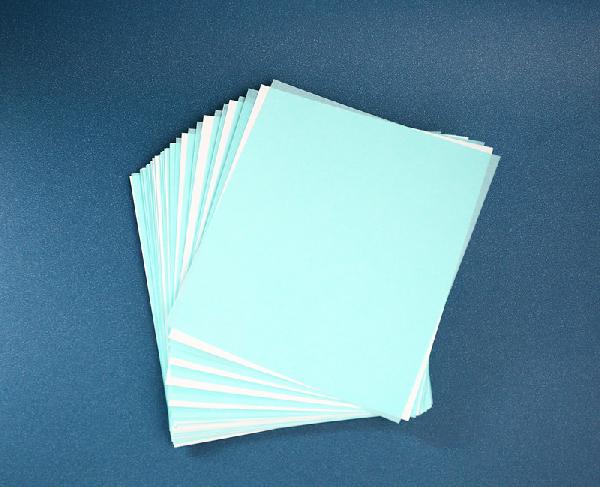
Nitrocellulose membranes are one of the top matrices used in protein blotting in Western Blotting, offering significant advantages over simple filter paper in terms of protein retention and signal clarity. They have high protein-binding capacity, strong affinity for proteins of varying protein size, compatibility with a variety of protein detection methods, and the ability to immobilize proteins, glycoproteins, or nucleic acids. This variety of detection methods include chemiluminescence, chromogenic, and fluorescence. It is proven to produce excellent signal-to-noise results when used for amino acid analysis, protein sequencing and western, northern, and Southern blotting.
Western blotting (also called Protein Immunoblotting) is an analytical technique used to detect specific proteins in the given sample. A thorough understanding of the western blot principle is crucial to successfully applying this method and accurately interpreting the results, while proper western blot sample preparation plays a vital role in ensuring the reliability and sensitivity of the detection process.
It uses SDS-polyacrylamide gel electrophoresis (SDS-PAGE) to separate various proteins contained in the sample. The separated proteins are then transferred through protein transfer onto Western blot membranes, where they are stained with antibodies specific to the target protein for subsequent protein detection. Expression details of the target proteins in the given cells or tissue homogenate can then be obtained through analyzing the location and intensity of the specific reaction during western blot detection.
Western blotting analysis can detect target protein as low as 1 ng due to the high resolution of the gel electrophoresis and strong specificity and high sensitivity of the immunoassay. This method is widely applied in molecular biology, biochemistry, immunogenetics and other molecular biology disciplines for various experiments. Researchers looking to streamline this traditional workflow can explore our In-Cell Western Blot Service, which skips the membrane transfer and enables direct, quantitative protein analysis in cultured cells.
Proteins bind to nitrocellulose blotting membranes primarily through a combination of electrostatic and hydrophobic interactions, which together define the protein binding capacity of the membrane— a property that traditional filter paper lacks. These interactions are enhanced by high salt and low methanol concentrations within the transfer buffer, which facilitate protein immobilization during electrophoretic transfer—particularly for proteins of larger protein size.
While effective for protein transfer, nitrocellulose membranes are less suited for nucleic acid applications such as RNA transfers, which typically require optimized conditions for retention and stability. The salt concentrations needed to support protein binding can interfere with nucleic acid retention by disrupting their charge-based interactions. Additionally, nitrocellulose is soluble in organic solvents like methanol and acetone, so solvent exposure must be minimized to preserve membrane integrity.
Despite these challenges, nitrocellulose membranes can still yield reliable results for nucleic acid detection when experimental conditions are carefully controlled.
Membrane selection is a critical step in Western blotting. The three main types of transfer membranes are nitrocellulose, polyvinylidene fluoride (PVDF), and nylon (polyamide). The pros and cons and differences are described in the following table:
| PVDF | Nitrocellulose | Nylon | |
|---|---|---|---|
| Protein size | Better with high molecular weight proteins | Better with mid to low molecular weight proteins (< 20 kDa) | Better with nucleic acids |
| Binding capacity | 100 – 200 μg/cm2 | 80 – 100 μg/cm2 | > 400 μg/cm2 |
| Background noise | Slightly low | Very low | High |
| Strip and re-probe | Performs well when treated with a suitable stripping buffer | Possible but may lose sensitivity | Performs well |
| Mechanical strength | High | Brittle when dry | High |
| Solvent resistance | Strong | Weak | weak |
| Pre-treatment | Wet with methanol | Wet with buffer | Wet with buffer |
| Pore size | 0.2 μm and 0.45 μm options | 0.2 μm and 0.45 μm options | 0.45 μm |
One of the greatest benefits of using the nitrocellulose membrane over the other membranes is its balance of protein binding capacity across a wide range of protein size, along with very low background noise. The background is the darkening of the blot as the protein travels through the membrane. A high background noise equates to a highly darkened blot, which means it is difficult to distinguish specific bands. For tips on minimizing western blot high background, review our troubleshooting guide. The very low background noise seen with the nitrocellulose membranes helps to ensure the experiment can be run with minimal difficulty interpreting the results.
If you are still deciding between PVDF and nitrocellulose based on target size, background tolerance, reprobing needs, or handling preference, this guide on which membrane to choose for Western blot provides a more practical side-by-side workflow for membrane selection.
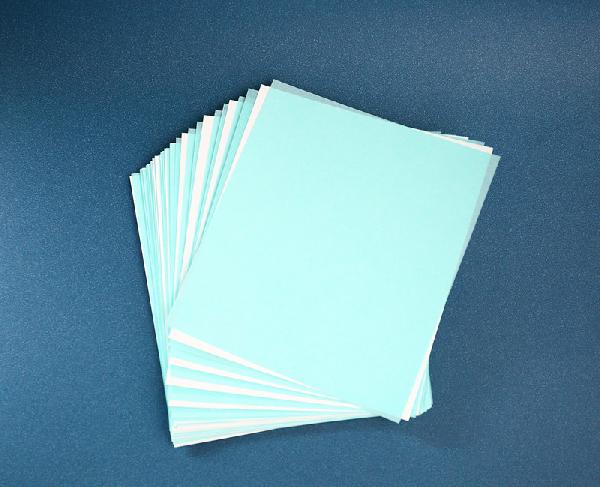
Boster Bio offers premium nitrocellulose membranes for western blot applications helping researchers simplify membrane selection by providing high-quality options for different experimental needs. We specializes in manufacturing primary antibodies for WB, IHC, and ICC/IF as well as producing high quality ELISA and reagent kits. Our lab runs hundreds of WB every week for our internal production quality control, and we use the reagents and kits we manufacture ourselves for our ELISA kits and IHC- and WB-validated antibodies, so we ensure all our extraction kits, buffers, controls, solutions, etc. will help you obtain clean and specific results for accurate localization and identification of antigens.
We provide nitrocellulose membrane for western blot transfer with both pore 0.2 μm (Catalog# AR0135-02) and pore 0.45 μm (Catalog# AR0135-04) options. Boster’s nitrocellulose membranes can be used for a wide range of protein molecular weights and nucleic acids > 500 base pairs in size, and they perform reliably with common transfer buffer formulations. Each ordered pack contains 20 sheets measuring 9 cm x 10 cm in size. They can remain stable for one year when stored at room temperature. The products are high quality, pure 100% nitrocellulose membranes with a high surface area and excellent uniformity. The variety optimizes for peptide applications with the 0.2 μm pore size and protein applications with the 0.45 μm pore size.
References
Accelerate your research and gain invaluable insights from your samples with the help of our exceptional service. Reach out to us now to discuss your project requirements and experience the difference our Western blotting service can bring to your work.
Unleash innovation in your research with our Recombinant Protein Expression Service. Elevate your experiments today!