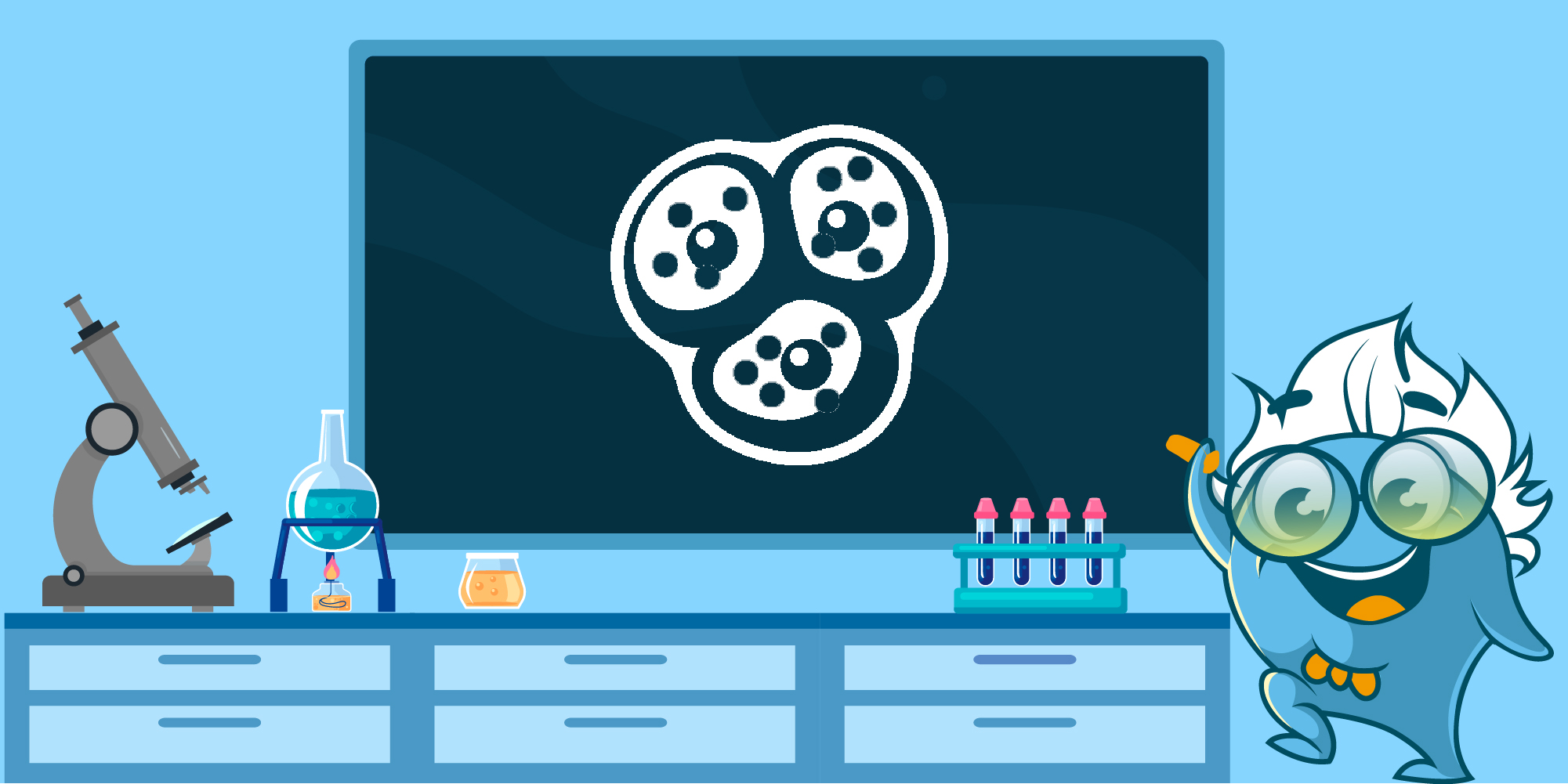
Saccharomyces cerevisiae (aka Baker’s yeast, Brewer’s yeast, or budding yeast) is a single-celled fungus used in baking and brewing. This species is renowned for its role in fermenting sugars to produce alcohol and carbon dioxide, which has been invaluable in industrial applications and research.
If you’re considering S. cerevisiae for your research studies, this guide is for you. In this blog, we discuss the key breakthroughs with S. cerevisiae research, describe the advantages and limitations of using S. cerevisiae for research, and explore the research areas where S. cerevisiae has contributed significantly. In addition, we mention some resources and funding that support S. cerevisiae research as well as guiding questions to help you determine if this model organism is suitable for your studies.
Feel free to jump to a specific section about S. cerevisiae:
About Saccharomyces cerevisiae
Saccharomyces cerevisiae is a prominent model organism in molecular and cellular biology due to its relatively simple eukaryotic cell structure and well-characterized genetics. This model organism is about 5 to 10 micrometers in diameter and exhibits a spherical or ellipsoidal shape. The yeast’s rapid growth rate, with a doubling time of approximately 90 minutes under optimal conditions, allows for efficient experimentation.
The complete genome of S. cerevisiae was sequenced in 1996, making it the first eukaryote to have its genome fully mapped. This genome provides extensive insight into fundamental cellular processes, including gene regulation, protein function, and cell cycle control. Additionally, the ease with which S. cerevisiae can be genetically manipulated—through techniques such as gene deletion, overexpression, and plasmid transformation—demonstrates its versatility for studying gene function and protein interactions. Its simplicity, coupled with its genetic tractability, has led to significant advances in our understanding of cellular and molecular mechanisms that are relevant across eukaryotic organisms, including humans.
Brief History and Key Breakthroughs
Saccharomyces cerevisiae has a long history as a model organism in biological research. The journey of S. cerevisiae from a simple yeast for baking and brewing to a fundamental tool in modern cell biology began in the late 19th and early 20th centuries.
In this section, we present a brief history and highlight some key research breakthroughs involving Saccharomyces cerevisiae.
Early Uses and Initial Studies
The earliest uses of S. cerevisiae in research can be traced back to the mid-19th century with Louis Pasteur's research on fermentation. Pasteur's work established the role of yeast in converting sugars to alcohol and carbon dioxide, laying the groundwork for future scientific exploration. S. cerevisiae's simple eukaryotic structure and its ability to undergo fermentation made it an attractive candidate for studying basic cellular processes.1,2
Early Genetic Studies (1950s-1960s)
Researchers began mapping the yeast genome, which revealed insights into gene structure and function.3 This foundational work established S. cerevisiae as a model for genetic research due to its relatively simple genome and ease of manipulation.
Development as a Model Organism with Genetic Tools
The transition of S. cerevisiae to a model organism occurred with the advent of molecular genetics in the 1970s. Pioneering work in this period established many of the genetic manipulation techniques that are now fundamental to yeast research. For instance, in 1978, researchers developed the first yeast plasmids, enabling the introduction and expression of foreign DNA into yeast cells.4 This work laid the groundwork for genetic regulation and transformation as well as functional genomics.
A major milestone was the development of yeast artificial chromosomes (YACs) in the 1980s, which allowed researchers to clone large fragments of DNA in yeast.5 This facilitated more detailed studies of gene function and genome organization.
Complete Genomic Sequencing (1996)
The sequencing of the S. cerevisiae genome in 1996 was a landmark achievement. It presented a complete map of all its genes, which has been instrumental in explaining gene function, interactions, and cellular processes.6,7
High-Throughput Screening (early 2000s)
The application of high-throughput screening techniques to S. cerevisiae allowed scientists to systematically study gene function on a large scale.8 This approach identified key genes involved in cell growth, division, and response to environmental stress, further establishing yeast as a model organism for functional genomics.
Study of Cellular Processes
S. cerevisiae has elucidated the cell cycle and mechanisms of cell division. Lee Hartwell's work in the 1970s with budding yeast (S. cerevisiae) identified key cell division cycle (CDC) genes.9 His work inspired Paul Nurse's research, who used fission yeast (Schizosaccharomyces pombe) in the 1980s to further elucidate the role of CDKs.10 Their groundbreaking work earned them the Nobel Prize in Physiology or Medicine in 2001.11
Biotechnological Applications
S. cerevisiae is widely used in biotechnology for the production of recombinant proteins, vaccines, and other therapeutics. Its ability to perform post-translational modifications similar to those in higher eukaryotes is valuable for producing complex proteins.12
Saccharomyces cerevisiae has become a vital tool in the fields of cellular biology, genetics, and molecular biology. Its ease of genetic manipulation, rapid growth, and well-characterized genome have made it a powerful model organism for both basic research and applied biotechnology.
Advantages as a Model Organism
Saccharomyces cerevisiae has long been influential in biological research due to its simplicity and versatility. We explain some of its advantages as a model organism below.
- Genetic Tractability: S. cerevisiae is highly amenable to genetic manipulation. Researchers can easily introduce, delete, or modify genes with techniques like homologous recombination. With its genetic flexibility, scientists can perform precise studies of gene function and regulation.
- Simple and Well-Characterized Genome: The yeast genome is relatively small (~12.5 million base pairs) and was the first fully sequenced eukaryotic genome.13 This complete genomic information with genetic tools and resources enhances studying and manipulating the genome.
- Conservation of Fundamental Biological Processes: Many cellular processes in yeast, such as DNA replication, transcription, translation, and cell cycle regulation, are highly conserved across eukaryotes, including humans. This positions S. cerevisiae as a good model for basic biological mechanisms that are relevant to human health.
- Rapid Growth and Short Life Cycle: Rapid cell division with a typical doubling time of about 90 minutes under optimal conditions enables quick experimental turnaround and the ability to conduct large-scale genetic screens and other high-throughput studies.
- Versatility in Experimental Approaches: S. cerevisiae can grow in both haploid and diploid forms, allowing for a variety of genetic approaches. With haploid cells, effects of recessive mutations can be examined, while gene interactions and complementation can be studied with diploid cells.
- Research Community and Resources: Yeast research benefits from a large, collaborative scientific community and an array of publicly available resources, like strain libraries, plasmid collections, and databases like the Saccharomyces Genome Database (SGD). These resources facilitate research and improve the reproducibility of experiments.
- Cost-Effective and Easy to Cultivate: Yeast is inexpensive to grow and maintain in the laboratory. It requires minimal equipment and can be cultivated in simple media, making it accessible for research in a wide range of settings.
- Biotechnological and Industrial Applications: S. cerevisiae is widely used in biotechnology for the production of biofuels, pharmaceuticals, and other industrial products.12 Its well-characterized metabolic pathways can be harnessed for various applications, making it both a model and a tool in applied research. Companies like Boster Bio offer $600 custom antibody and affordable recombinant protein expression services to support these biotechnological applications.
These advantages position Saccharomyces cerevisiae as a versatile and powerful model organism, contributing to a wide range of scientific discoveries and applications.
Limitations as a Model Organism
Using Saccharomyces cerevisiae as a model organism comes with some limitations and challenges:
- Lack of Complex Organ Systems: As a unicellular organism, S. cerevisiae lacks the complex organ systems found in multicellular organisms, reducing its utility in studies related to tissue differentiation, organ function, and whole-organism physiology.
- Differences in Cellular Processes: While many fundamental cellular processes are conserved between yeast and higher eukaryotes, there are significant differences, especially in areas such as signal transduction pathways, immune responses, and developmental processes. These differences can hinder the applicability of findings from yeast to more complex organisms.
- Genomic and Regulatory Differences: The yeast genome is relatively simple, with fewer genes and regulatory elements compared to more complex eukaryotes. This simplicity, while advantageous in some respects, can make it difficult to study gene regulation and expression patterns that are highly complex in multicellular organisms.
- Metabolic Differences: S. cerevisiae has a different metabolic profile compared to mammals, particularly in terms of energy production and nutrient utilization. This can be a drawback for research areas like metabolism, nutrition, and drug metabolism.
- Ethical and Practical Limitations: While ethical considerations are generally less stringent with yeast, the practical relevance of yeast studies to human biology can sometimes be questioned, particularly in translational research where the goal is to apply findings directly to human health.
Addressing the Challenges
To address the challenges associated with Saccharomyces cerevisiae as a model organism, researchers can adopt several strategies:
- Complementary Models: One approach is to use S. cerevisiae in conjunction with other model organisms that possess more complex systems, such as mice or Drosophila melanogaster. In this way, initial discoveries in yeast can be validated and explored in higher organisms, ensuring broader applicability of the findings.
- Genetic Engineering: Advances in genetic engineering enable the introduction of human genes into yeast, allowing the study of human-specific processes in a simplified system. For example, researchers can express human proteins in yeast to study their function and interaction in a controlled environment.
- Systems Biology: Integrating data from S. cerevisiae with systems biology approaches helps to build comprehensive models that can predict how findings in yeast might translate to more complex organisms. This approach can overcome some of the limitations of yeast's simplicity.
- Targeted Research Questions: Researchers should tailor their research questions to those that align well with yeast's strengths, such as studying fundamental cellular processes, gene regulation, and metabolic pathways. By focusing on areas where yeast offers clear advantages, scientists can maximize the relevance of their findings.
- Collaboration and Resource Sharing: Collaborating with researchers who specialize in other model organisms can provide complementary insights and resources, enabling a more holistic approach to complex biological questions.
By employing these strategies, researchers can mitigate some of the limitations of S. cerevisiae and enhance the relevance of their studies to broader biological and biomedical research.
Research Areas
Saccharomyces cerevisiae has been a foundational model organism in biological research. Its ease of genetic manipulation, rapid growth, and eukaryotic nature promotes studies of fundamental biological processes. As research evolves, S. cerevisiae continues to reveal insights spanning genetics, molecular biology, synthetic biology, and drug discovery.
- Cell Biology: S. cerevisiae has been instrumental in understanding fundamental cellular processes such as cell cycle regulation, cell division, and cell signaling. The yeast's relatively simple eukaryotic structure allows for detailed studies on how cells grow, replicate, and respond to environmental stimuli.
- Genetics: S. cerevisiae was the first eukaryote to have its genome fully sequenced, making it a cornerstone in genetic research. It has been used extensively to examine gene function, genetic interactions, and chromosomal behavior, clarifying gene regulation and mutation effects.
- Molecular Biology: The yeast model has illuminated DNA replication, repair, transcription, and translation processes. Researchers choose S. cerevisiae to investigate how genes are expressed and regulated at the molecular level.
- Metabolism and Biochemistry: Yeast is a key model for metabolic pathways, including glycolysis, fermentation, and oxidative phosphorylation. It has also been used to explore the biochemical processes underlying various metabolic disorders.
- Aging and Longevity: S. cerevisiae is employed in aging research due to its short lifespan and well-characterized genetics. Studies on yeast have led to the identification of genes and pathways that influence aging and cellular senescence.
Saccharomyces cerevisiae remains a versatile model organism and its research potential expands as new technologies and approaches arise.
Reflective Questions for Yeast Research
When considering Saccharomyces cerevisiae as a model organism for your research, it's important to evaluate various factors to ensure it aligns with your scientific objectives and practical capabilities. Here are some questions to guide your decision-making process:
Research Relevance
- Does S. cerevisiae effectively model the biological processes I aim to study? Consider whether yeast shares the fundamental cellular pathways or genetic features pertinent to your research questions.
- Are the findings from yeast studies translatable to the organisms or systems of primary interest in my research? Evaluate the extent of conservation between yeast and other eukaryotes, especially humans, regarding the specific processes you intend to investigate.
- Has S. cerevisiae been successfully used in similar studies before? Review existing literature to grasp how yeast has contributed to knowledge in your field and identify potential gaps your research could fill.
Experimental Design and Methodology
- Can the experimental approaches required for my study be effectively implemented in yeast? Assess whether techniques such as genetic manipulation, biochemical assays, and high-throughput screening are feasible and well-established in yeast for your intended experiments.
- Does yeast's rapid growth and simple culture requirements benefit my experimental timeline and throughput needs? Determine if yeast's quick generation time aligns with your project's schedule and if it allows for sufficient data collection and replication.
- Are there specific genetic tools or mutant strains available in yeast that are pertinent to my research? Explore existing resources such as gene deletion libraries, overexpression systems, and reporter assays that can facilitate your study.
Practical Considerations
- Do I have access to the necessary infrastructure and equipment to work with yeast? Ensure your laboratory is equipped with appropriate facilities for yeast culture, genetic manipulation, and analysis.
- Is there adequate expertise available in my team or institution for conducting yeast research? Consider whether you or your collaborators have experience working with yeast or if additional training and support will be required.
- What are the costs associated with using yeast compared to other model organisms? Evaluate budgetary constraints and compare expenses related to culture media, reagents, and equipment maintenance.
Ethical and Regulatory Aspects
- Are there any ethical concerns associated with using yeast in my research? While yeast research typically involves minimal ethical issues, ensure compliance with institutional guidelines and consider any biosecurity implications.
- Does my research with yeast require specific permits or approvals? Verify if your study involves genetically modified organisms (GMOs) and adhere to relevant biosafety regulations and documentation.
Data Interpretation and Translation
- How will results obtained from yeast models be interpreted in the context of more complex organisms? Plan for potential limitations in translating findings and consider supplementary studies in other models if necessary.
- Are there known discrepancies between yeast and other systems that could impact my research conclusions? Identify and account for differences in cellular complexity, physiology, and environmental responses that may influence data relevance.
Collaborations and Resources
- Can I collaborate with established yeast research groups or access shared resources? Look for opportunities to partner with other scientists and utilize community resources such as strain repositories and databases.
- Are there conferences, workshops, or forums where I can engage with the yeast research community? Participate in academic events to stay updated on the latest methodologies and findings, and to network with peers in the field.
Funding and Publication Prospects
- Is there sufficient funding available for yeast-based research in my area of study? Research grant opportunities specific to yeast research and assess the competitiveness of funding landscapes.
- Will utilizing S. cerevisiae enhance the publishability and impact of my research findings? Consider the interest and acceptance of yeast research within your target scientific journals and communities.
By thoroughly addressing these questions, you can develop an informed decision about whether Saccharomyces cerevisiae is the appropriate model organism for your research objectives and ensure the successful planning and execution of your studies.
Want to learn more about S. cerevisiae and other model organisms? Download our free eBook “How to Choose a Model Organism” today!
References and Further Reading
- Explore Yeast. (n.d.). Louis Pasteur: The Father of Fermentation. Lesaffre. https://www.exploreyeast.com/yeast-and-fermentation/louis-pasteur-the-father-of-fermentation/
- Alba-Lois, L., & Segal-Kischinevzky, C. (2010). Yeast Fermentation and the Making of Beer and Wine. Nature Education, 3(9),17. https://www.nature.com/scitable/topicpage/yeast-fermentation-and-the-making-of-beer-14372813/
- Gaikani, H.K., Stolar, M., Kriti, D., Nislow, C., & Giaever, G. (2024). From beer to breadboards: yeast as a force for biological innovation. Genome Biology, 25(10). https://doi.org/10.1186/s13059-023-03156-9
- Hinnen, A., Hicks, J.B., & Fink, G.R. (1978). Transformation of yeast. Proceedings of the National Academy of Sciences, 75(4), 1929-1933. https://doi.org/10.1073/pnas.75.4.1929
- National Human Genome Institute. (2013, April 26). 1987: YACs Developed. National Institutes of Health. https://www.genome.gov/25520326/online-education-kit-1987-yacs-developed
- Goffeau, A., Barrell, B.G., Bussey, H., Davis, R.W., Dujon, B., Feldmann, H., Galibert, F., Hoheisel, J.D., Jacq, C., Johnston, M., Louis, E.J., Mewes, H.W., Murakami, Y., Philippsen, P., Tettelin, H., & Oliver, S.G. (1996). Life with 6000 Genes. Science, 274(5287), 546–567. https://doi.org/10.1126/science.274.5287.546
- Engel, S.R., Dietrich, F.S., Fisk, D.G., Binkley, G., Balakrishnan, R., Costanzo, M.C., Dwight, S.S., Hitz, B.C., Karra, K., Nash, R.S., Weng, S., Wong, E.D., Lloyd, P., Skrzypek, M.S., Miyasato, S.R., Simison, M., & Cherry, J.M. (2014). The reference genome sequence of Saccharomyces cerevisiae: Then and now. G3 Genes|Genomes|Genetics, 4(3), 389-398. https://doi.org/10.1534/g3.113.008995
- Giaever, G., Chu, A.M., Ni, L., Connelly, C., Riles, L., Véronneau, S., Dow, S., Lucau-Danila, A., Anderson, K., André, B., Arkin, A.P., Astromoff, A., El Bakkoury, M., Bangham, R., Benito, R., Brachat, S., Campanaro, S., Curtiss, M., Davis, K., … Johnston, M. (2002). Functional profiling of the Saccharomyces cerevisiae genome. Nature, 418(6896), 387–391. https://doi.org/10.1038/nature00935
- Hartwell, L.H., Mortimer, R.K., Culotti, J., & Culotti, M. (1973). Genetic Control of the Cell Division Cycle in Yeast: V. Genetic Analysis of cdc Mutants. Genetics, 74(2), 267-286. https://doi.org/10.1093/genetics/74.2.267
- Nurse, P. (2024). The discovery of cyclin-dependent kinases. Nature Reviews Molecular Cell Biology, 25, 763. https://doi.org/10.1038/s41580-024-00765-5
- NobelPrize.org. (n.d.). The Nobel Prize in Physiology or Medicine 2001. Nobel Prize Outreach AB 2024. https://www.nobelprize.org/prizes/medicine/2001/summary/
- Kulagina, N., Besseau, S., Godon, C., Goldman, G.H., Papon, N., & Courdavault, V. (2021). Yeasts as Biopharmaceutical Production Platforms. Frontiers in Fungal Biology, 2. https://doi.org/10.3389/ffunb.2021.733492
- National Human Genome Institute. (2013, May 9). 1996: Yeast Genome Sequenced. National Institutes of Health. https://www.genome.gov/25520379/online-education-kit-1996-yeast-genome-sequenced