This website uses cookies to ensure you get the best experience on our website.


- Table of Contents

Facts about E3 ubiquitin-protein ligase RNF138.
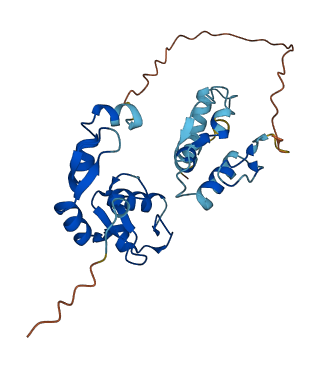
Two distinct, non-exclusive, mechanisms have been proposed. According to a report, regulates the option of double-strand fracture repair by favoring homologous recombination over non-homologous end joining (NHEJ): acts by mediating ubiquitination of XRCC5/Ku80, leading to eliminate the Ku complex from DNA breaks, thereby promoting homologous recombination (PubMed:26502055).
| Human | |
|---|---|
| Gene Name: | RNF138 |
| Uniprot: | Q8WVD3 |
| Entrez: | 51444 |
| Belongs to: |
|---|
| No superfamily |

E3 ubiquitin-protein ligase RNF138; EC 6.3.2.-; hNARF; HSD-4; MGC8758; NARF; Nemo-like kinase-associated RING finger protein; ring finger protein 138NLK-associated RING finger protein; STRIN
Mass (kDA):
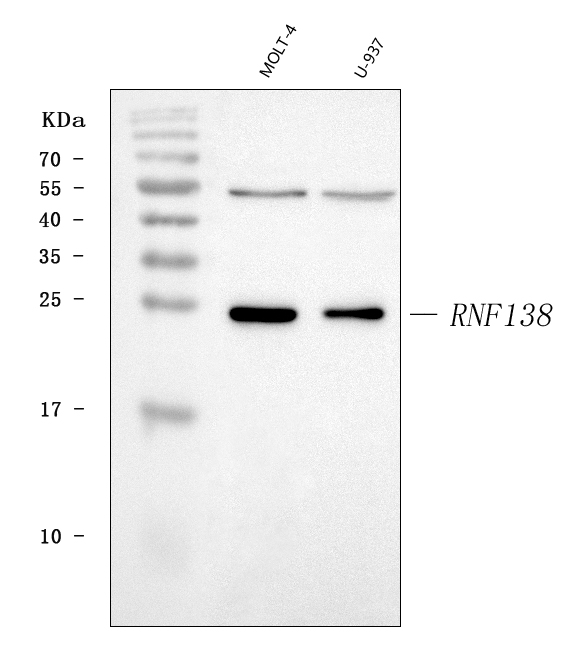
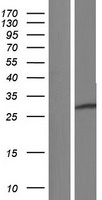
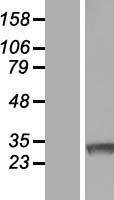
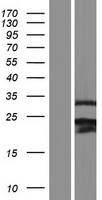
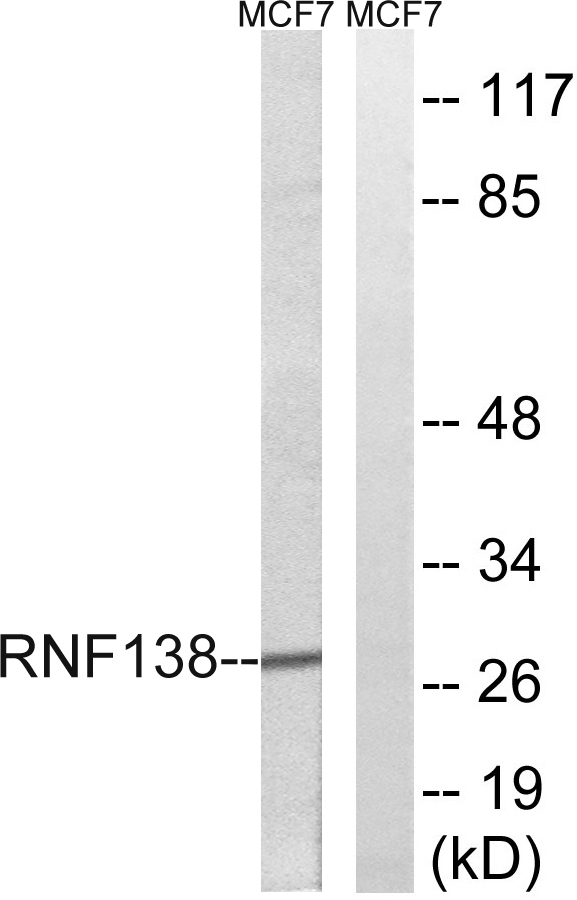
28.193 kDA

| Human | |
|---|---|
| Location: | 18q12.1 |
| Sequence: | 18; NC_000018.10 (32091858..32131561) |
Chromosome. Recruited at DNA damage sites (PubMed:26502055). Localizes to sites of double-strand break: localization to double-strand break sites is mediated by the zinc fingers (PubMed:26502055, PubMed:26502057).


PMID: 16714285 by Yamada M., et al. NARF, an nemo-like kinase (NLK)-associated ring finger protein regulates the ubiquitylation and degradation of T cell factor/lymphoid enhancer factor (TCF/LEF).
PMID: 26502055 by Ismail I.H., et al. The RNF138 E3 ligase displaces Ku to promote DNA end resection and regulate DNA repair pathway choice.