This website uses cookies to ensure you get the best experience on our website.


- Table of Contents
and ELISA kits, proteins related to Psoriasis.
Psoriasis is a chronic autoimmune condition that primarily affects the skin, characterized by the rapid buildup of skin cells. This accelerated growth leads to thick, red, scaly patches on various parts of the body, which are often associated with pain and itching. The exact cause of psoriasis is not fully understood, but it is believed to involve a combination of genetic predisposition and environmental factors that trigger the immune system. Psoriasis can vary in severity and can also impact joints, leading to a related condition called psoriatic arthritis. While there is no cure for psoriasis, research has led to the development of various treatments that can manage symptoms and improve the quality of life for those affected. Antibodies, particularly biologic therapies targeting specific elements of the immune response, represent a significant advancement in the treatment of moderate to severe cases. These innovations underline the crucial role of ongoing research in understanding and combating this complex condition.
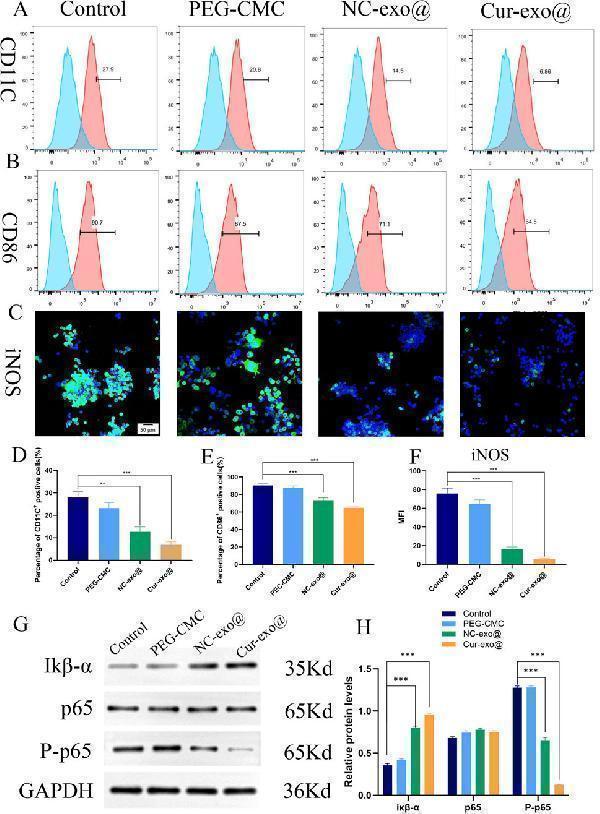
Anti-TNF alpha Antibody Picoband®, Immunomodulatory properties pathway of the hydrogel. (A, B) Flow cytometry analysis of the macrophage surface markers CD11C and CD86. (C) Representative ...
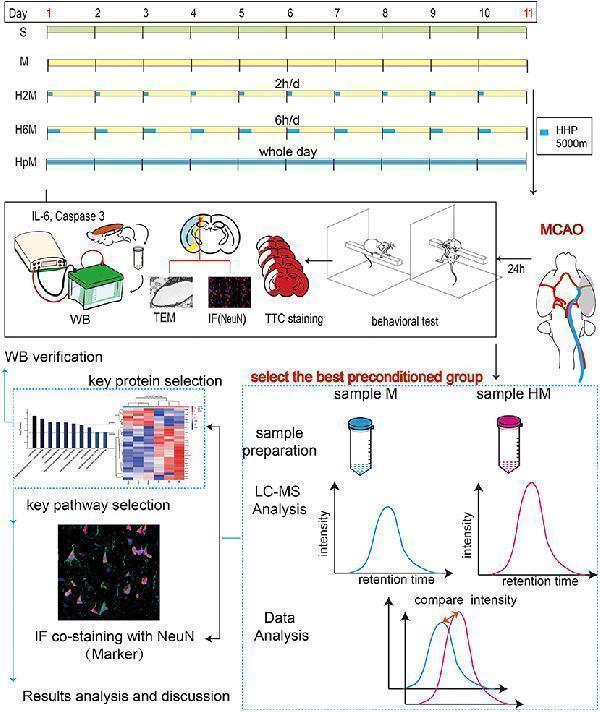
Anti-Interleukin-6 IL6 Antibody Picoband®, Experimental workflow. One hundred four rats were randomly divided into five groups: group S (sham, n = 20), group M (middle cerebral artery occlusion...
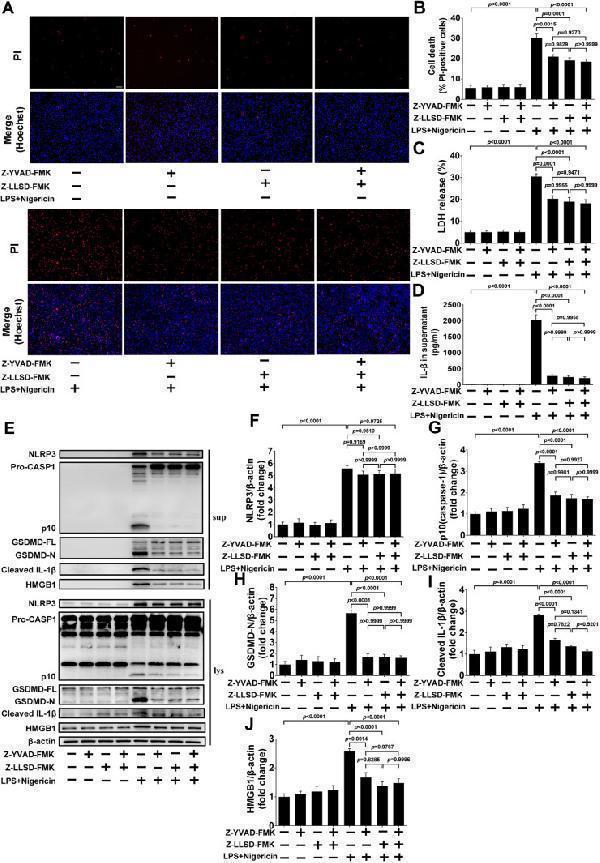
Anti-IL-1 beta/IL1B Antibody Picoband®, Z-LLSD-FMK or Z-YVAD-FMK inhibited GSDMD activation or pyroptosis induced by LPS + nigericin in BMDMs. BMDMs were primed with LPS for...
| Protein Name | Gene Name | Function |
|---|---|---|
| Tumor Necrosis Factor-alpha | TNF | Pro-inflammatory cytokine pivotal in psoriasis pathogenesis. |
| Interleukin-17A | IL17A | Promotes keratinocyte proliferation and inflammatory responses. |
| Interleukin-12 | IL12B | Key cytokine that drives Th1 cell differentiation. |
| Interleukin-23 | IL23A | Supports the survival and expansion of Th17 cells. |
| Interleukin-22 | IL22 | Acts on epithelial cells promoting acanthosis and barrier dysfunction. |
| Interleukin-1 beta | IL1B | Mediates inflammatory responses and keratinocyte activation. |
| Interferon-gamma | IFNG | Key effector cytokine for Th1 cells, enhances inflammation. |
| Interleukin-10 | IL10 | Anti-inflammatory cytokine, often downregulated in psoriasis. |
| Cyclic AMP-responsive element-binding protein 3-like protein 1 | CREB3L1 | Involved in cellular stress response and linked to inflammation. |
| Human Leukocyte Antigen B | HLA-B | Major histocompatibility complex, class I, involved in antigen presentation. |
| Inducible T-cell costimulator | ICOS | Promotes T-cell activation and function related to autoimmunity. |
| Interleukin-36 gamma | IL36G | Pro-inflammatory cytokine enhancing immune responses in skin. |
| Tyrosine kinase 2 | TYK2 | Mediates signaling of several inflammatory cytokines. |
| Signal transducer and activator of transcription 3 | STAT3 | Transducer in pathways involved in cell growth and apoptosis. |
| Interleukin-19 | IL19 | Promotes Th2 cell responses, involved in epidermal functions. |
| Toll-like receptor 7 | TLR7 | Recognizes microbial and viral components, inducing innate immunity. |
| Interleukin-6 | IL6 | Stimulates immune response and is involved in inflammation. |
| Interleukin-2 receptor alpha | IL2RA | Regulates T-cell proliferation. |
| C-C motif chemokine ligand 20 | CCL20 | Chemoattractant for lymphocytes, links innate and adaptive immunity. |
One crucial sub-research area within psoriasis focuses on its immunopathogenesis, which explores the role of the immune system in the development and perpetuation of the disease. Psoriasis is characterized by an abnormal immune response that accelerates the growth cycle of skin cells, causing them to build up rapidly on the surface of the skin, forming scales and red patches. Key players in this process include T cells, particularly Th17 and Th1 cells, which produce inflammatory cytokines like interleukin-17 (IL-17) and tumor necrosis factor-alpha (TNF-α). These cytokines not only enhance the proliferation of keratinocytes but also contribute to the chronic inflammation observed in psoriatic lesions. Research in this area aims to understand these complex immune pathways better and to pinpoint potential therapeutic targets that can modulate the immune response, thereby ameliorating the clinical symptoms of psoriasis. This knowledge is crucial for developing targeted biologic therapies that can more effectively treat psoriasis with fewer side effects than generalized immunosuppressive drugs.
Another vital sub-research area in psoriasis explores the interplay between genetic predisposition and environmental triggers. Psoriasis has a strong genetic component, with multiple genes implicated in susceptibility to the disease, including those involved in the immune system and skin barrier function. However, the disease typically requires environmental triggers to manifest in genetically predisposed individuals. These triggers can include skin injury, streptococcal infection, stress, smoking, and certain medications. Understanding how these genetic and environmental factors interact is crucial for developing preventative strategies and personalized treatments. This research not only helps in identifying individuals at higher risk but also aids in understanding the molecular mechanisms that underlie these trigger events, potentially leading to innovative strategies to block or mitigate their effects, thereby preventing the onset or exacerbation of psoriasis.