This website uses cookies to ensure you get the best experience on our website.


- Table of Contents
and ELISA kits, proteins related to Ulcerative Colitis.
Ulcerative colitis (UC) is a chronic inflammatory bowel disease that primarily affects the lining of the large intestine and rectum. Characterized by episodes of abdominal pain, urgent bowel movements, and bloody diarrhea, this condition can significantly disrupt daily life. The exact cause of UC remains unclear, but it is thought to involve an abnormal immune response triggered by a complex interaction of genetic and environmental factors. Research into UC is continuously evolving, with a focus on understanding the immune pathways and cellular components involved in its pathology. This knowledge not only enlightens our approach to targeted treatments but also underscores the importance of developing specific antibodies that can accurately identify and modulate inflammatory markers. These antibodies are crucial tools in both the diagnosis and strategic therapeutic intervention, paving the way for more personalized and effective treatment options for those living with ulcerative colitis. Insight into these biological underpinnings is essential for advancing care and improving quality of life for patients.
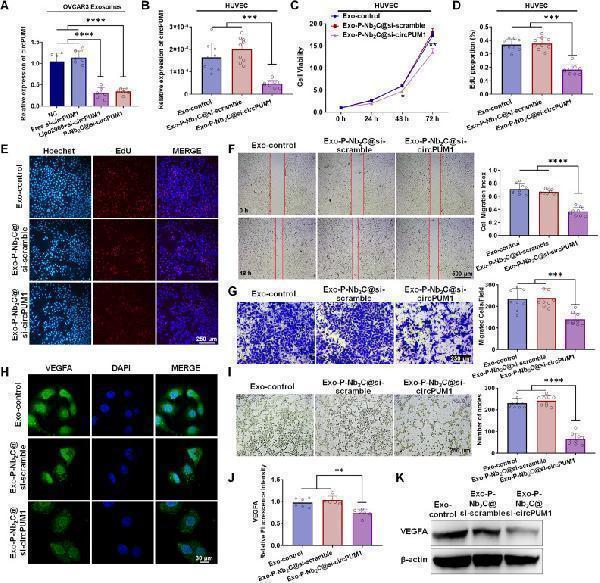
Anti-VEGF/VEGFA Antibody Picoband®, In vitro anti-angiogenic performance of P-Nb2C@si-circPUM1 in HUVECs. (A) QPCR showed a reduction of circPUM1 levels in exosomes derived from P-Nb2C@si-circP...
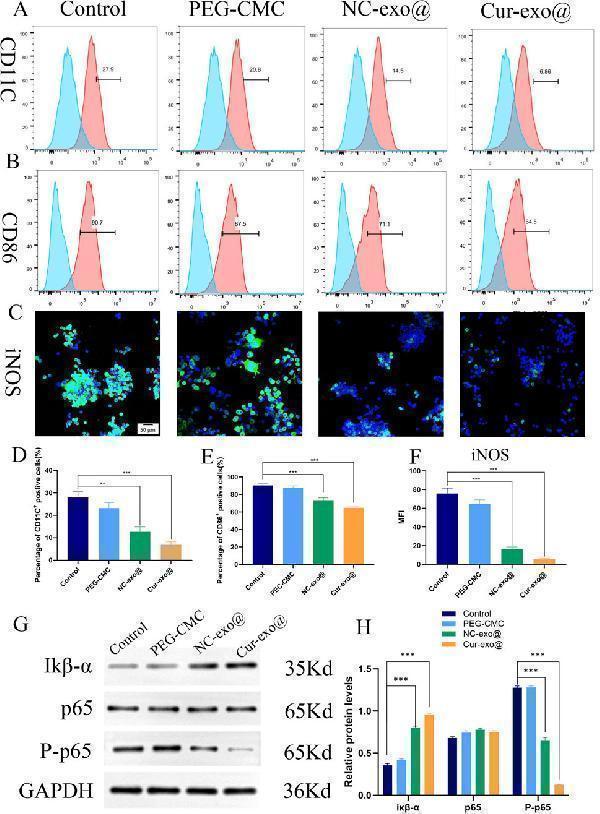
Anti-TNF alpha Antibody Picoband®, Immunomodulatory properties pathway of the hydrogel. (A, B) Flow cytometry analysis of the macrophage surface markers CD11C and CD86. (C) Representative ...

Anti-Interleukin-6 IL6 Antibody Picoband®, PRRSV infection induced testicular inflammatory responses. (a) TSI changes in each group. (b) Rectal and testicular temperature changes in each group ...
| Protein Name | Gene Name | Function |
|---|---|---|
| TNF-alpha | TNF | Pro-inflammatory cytokine involved in systemic inflammation, crucial in the pathogenesis of UC. |
| Interleukin-6 | IL6 | Pro-inflammatory cytokine that plays a key role in the immune response and inflammation. |
| Interleukin-10 | IL10 | Anti-inflammatory cytokine that regulates immune response and promotes intestinal homeostasis. |
| Interleukin-13 | IL13 | Involved in the pathological response to allergic inflammation and contributes to UC progression. |
| p53 | TP53 | Tumor suppressor protein involved in cell cycle control, apoptosis, and DNA repair; dysregulated in UC-associated neoplasia. |
| SMAD7 | SMAD7 | Inhibitory SMAD involved in TGF-beta signaling pathway, modulating inflammatory processes. |
| NOD2 | NOD2 | Intracellular receptor that recognizes bacterial components, influencing gut microbiome interactions. |
| Interleukin-1beta | IL1B | Pro-inflammatory cytokine, plays a key role in the local and systemic inflammatory response. |
| Interleukin-23 | IL23A | Pro-inflammatory cytokine important for the maintenance and proliferation of Th17 cells, linked to inflammation in UC. |
| Mucin-2 | MUC2 | Major component of the mucosal barrier, maintaining intestinal integrity and protecting against pathogens. |
| Interleukin-12 | IL12B | Pro-inflammatory cytokine that promotes Th1 cell differentiation and critical in inflammatory pathways. |
| TLR4 | TLR4 | Toll-like receptor involved in immune system response to bacterial lipopolysaccharide, influencing inflammation. |
| C-reactive protein | CRP | Biomarker of inflammation, often elevated in UC during active phases. |
| E-selectin | SELE | Cell adhesion molecule involved in leukocyte-endothelial cell interaction, elevated in UC. |
| Vascular endothelial growth factor | VEGFA | Key regulator of angiogenesis, involved in pathological angiogenesis in inflamed UC tissue. |
| Interferon-gamma | IFNG | Pro-inflammatory cytokine with critical roles in innate and adaptive immunity, elevated in UC. |
| FOXP3 | FOXP3 | Transcription factor defining the regulatory T cell lineage, important for maintaining immune tolerance and preventing excessive inflammation. |
| Interleukin-17 | IL17A | Pro-inflammatory cytokine produced by Th17 cells, associated with inflammation and autoimmunity in UC. |
Understanding the immunopathogenesis of Ulcerative Colitis (UC) is pivotal in unraveling how disruptions in immune system regulation contribute to chronic inflammation and disease manifestation. UC is marked by an aberrant immune response, specifically in the mucosal layer of the colon where an imbalance between pro-inflammatory and anti-inflammatory mechanisms occurs. Researchers have identified that this imbalance is largely orchestrated by helper T cells, with a notable role played by Interleukin 17-producing cells (Th17) and regulatory T cells (Tregs). This area of study not only helps in identifying novel therapeutic targets but also enables the development of personalized treatment strategies. Key factors under investigation include the cytokine signaling processes, the interaction between genetic predispositions and environmental triggers, and the role of the intestinal microbiota in modulating immune responses.
The study of the microbiome in Ulcerative Colitis focuses on how the composition and function of microbes residing in the gut influence the development and progression of the disease. The human gut harbors a complex community of bacteria, fungi, viruses, and other microbes that play a crucial role in maintaining intestinal health and modulating immune responses. In UC, dysbiosis, or the imbalance in these microbial populations, is a significant factor. Research in this area explores how specific changes in the microbiome contribute to mucosal inflammation and barrier dysfunction. Investigating the microbiome not only helps in understanding the pathogenesis of UC but also assists in the development of probiotics and other microbial-based interventions aimed at restoring gut health and achieving remission in patients.