This website uses cookies to ensure you get the best experience on our website.


- Table of Contents
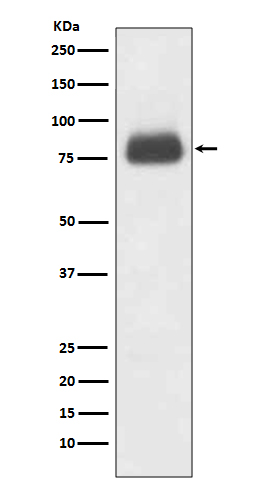
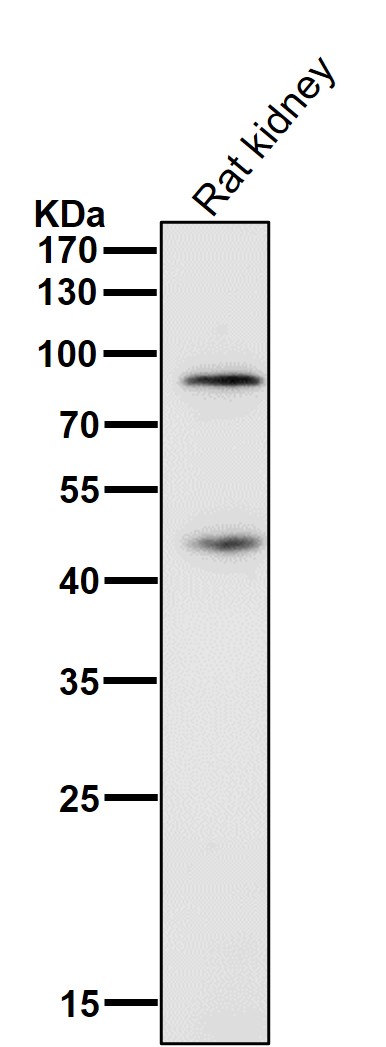
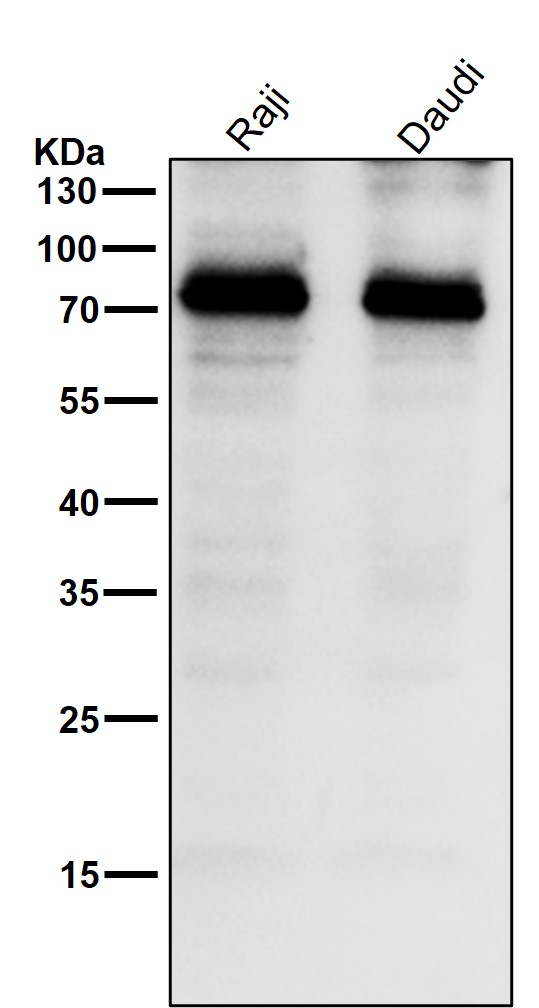
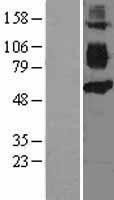
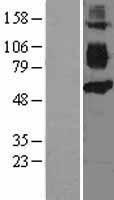
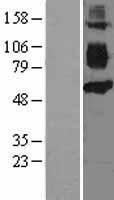
Designing a Western blot for Platelet glycoprotein 4? The guide has the expected band size, antibodies backed by real blot images, the controls to run alongside, and protocols taken from published papers.
Open the CD36 Western Blot Guide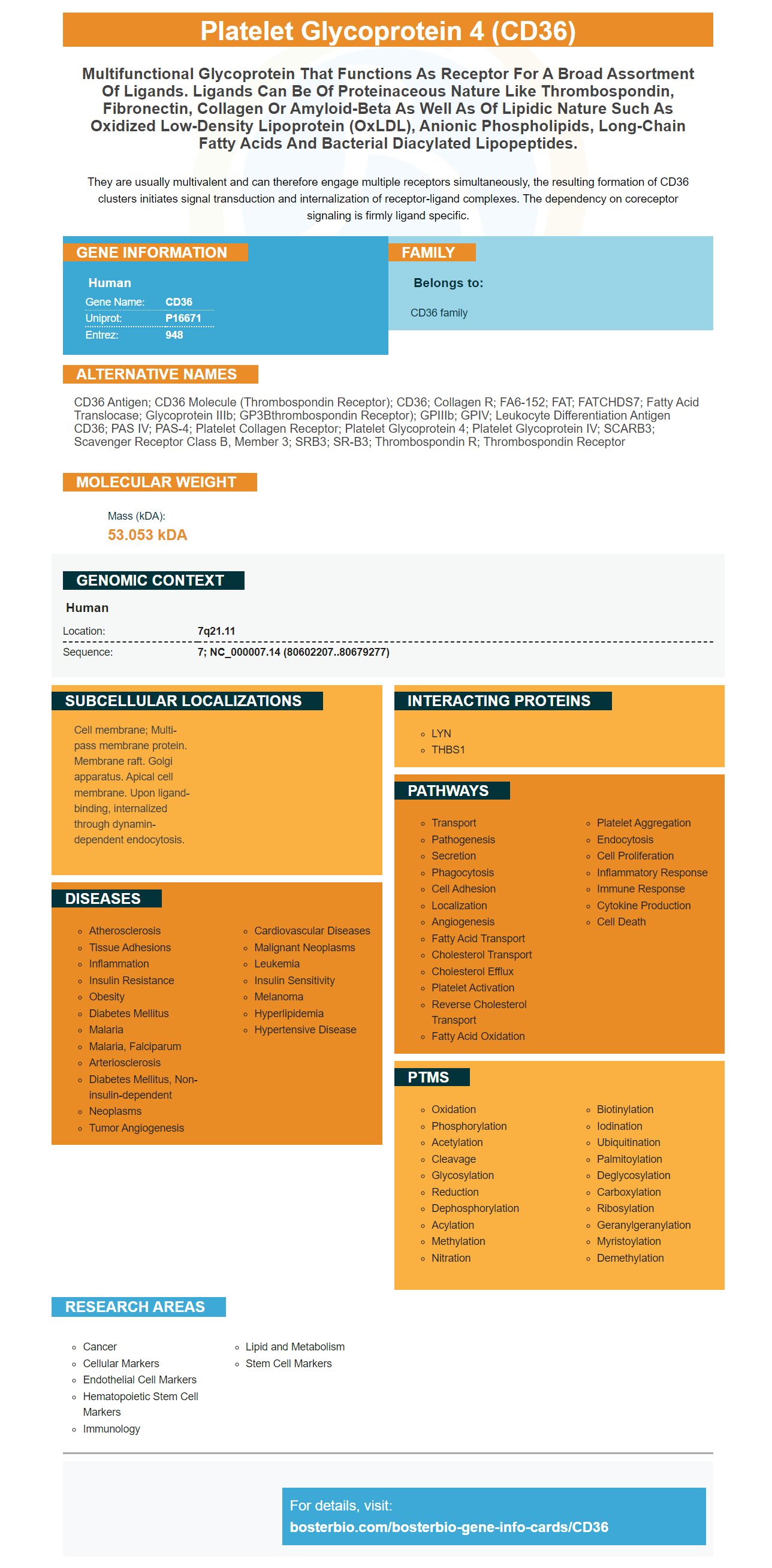
3 Citations



2 Citations
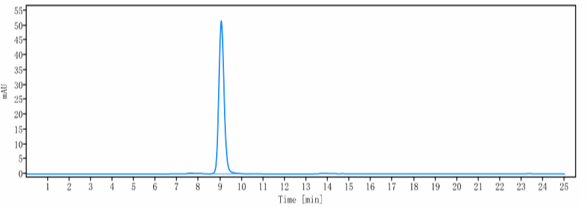
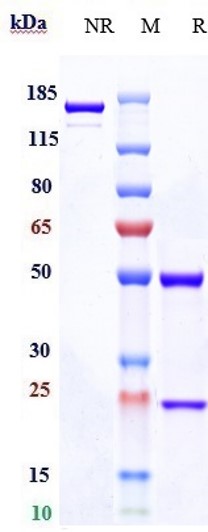
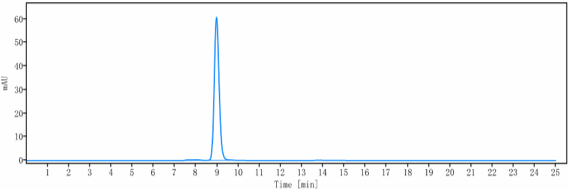
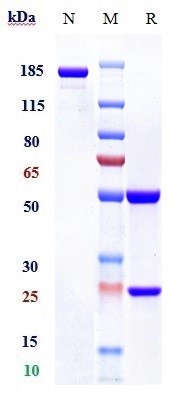
Facts about Platelet glycoprotein 4.
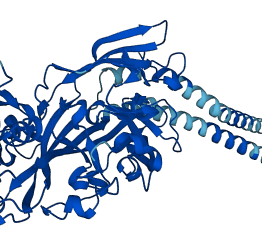
They are usually multivalent and can therefore engage multiple receptors simultaneously, the resulting formation of CD36 clusters initiates signal transduction and internalization of receptor-ligand complexes. The dependency on coreceptor signaling is firmly ligand specific.
| Human | |
|---|---|
| Gene Name: | CD36 |
| Uniprot: | P16671 |
| Entrez: | 948 |
| Belongs to: |
|---|
| CD36 family |

CD36 antigen; CD36 molecule (thrombospondin receptor); CD36; Collagen R; FA6-152; FAT; FATCHDS7; Fatty acid translocase; Glycoprotein IIIb; GP3Bthrombospondin receptor); GPIIIb; GPIV; Leukocyte differentiation antigen CD36; PAS IV; PAS-4; Platelet collagen receptor; platelet glycoprotein 4; Platelet glycoprotein IV; SCARB3; scavenger receptor class B, member 3; SRB3; SR-B3; Thrombospondin R; Thrombospondin receptor
Mass (kDA):
53.053 kDA

| Human | |
|---|---|
| Location: | 7q21.11 |
| Sequence: | 7; NC_000007.14 (80602207..80679277) |
Cell membrane; Multi-pass membrane protein. Membrane raft. Golgi apparatus. Apical cell membrane. Upon ligand-binding, internalized through dynamin-dependent endocytosis.





PMID: 2473841 by Oquendo P., et al. CD36 directly mediates cytoadherence of Plasmodium falciparum parasitized erythrocytes.
PMID: 7693552 by Taylor K.T., et al. Characterization of two alternatively spliced 5'-untranslated exons of the human CD36 gene in different cell types.
*More publications can be found for each product on its corresponding product page