This website uses cookies to ensure you get the best experience on our website.


- Table of Contents
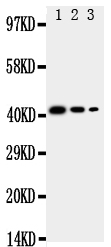
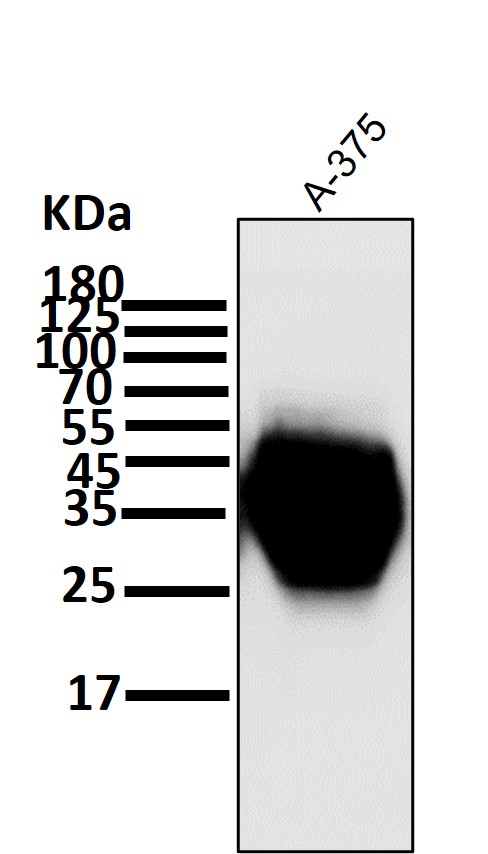
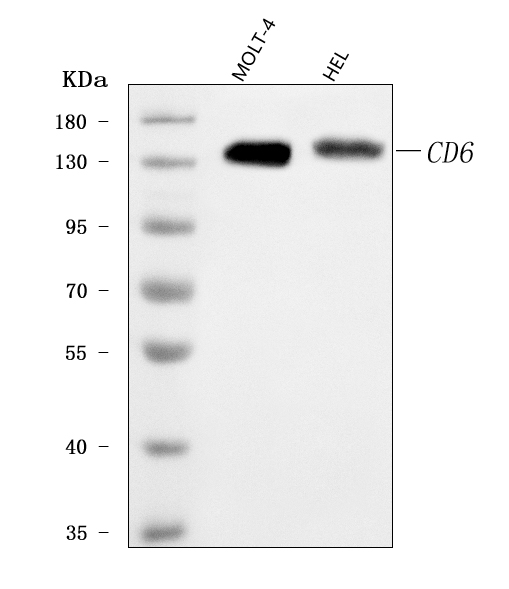
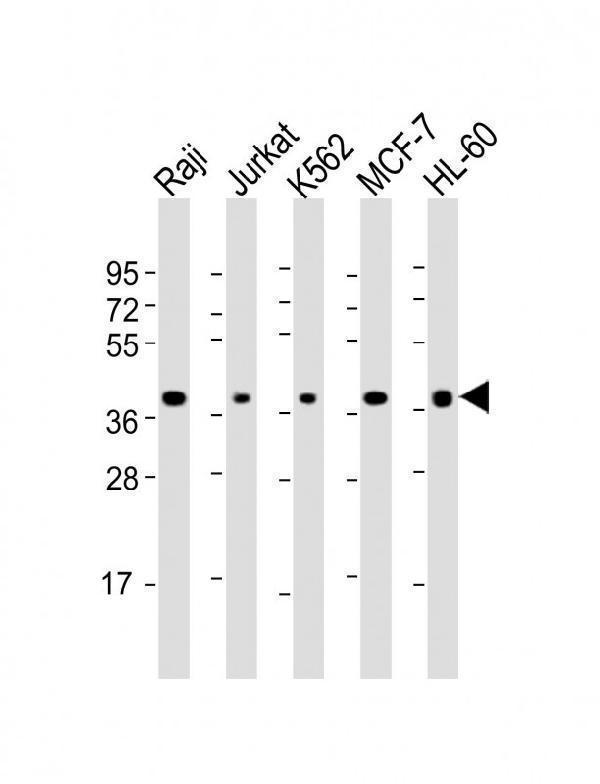
Designing a Western blot for CD6? The guide has the expected band size, antibodies backed by real blot images, the controls to run alongside, and protocols taken from published papers.
Open the CD6 Western Blot Guide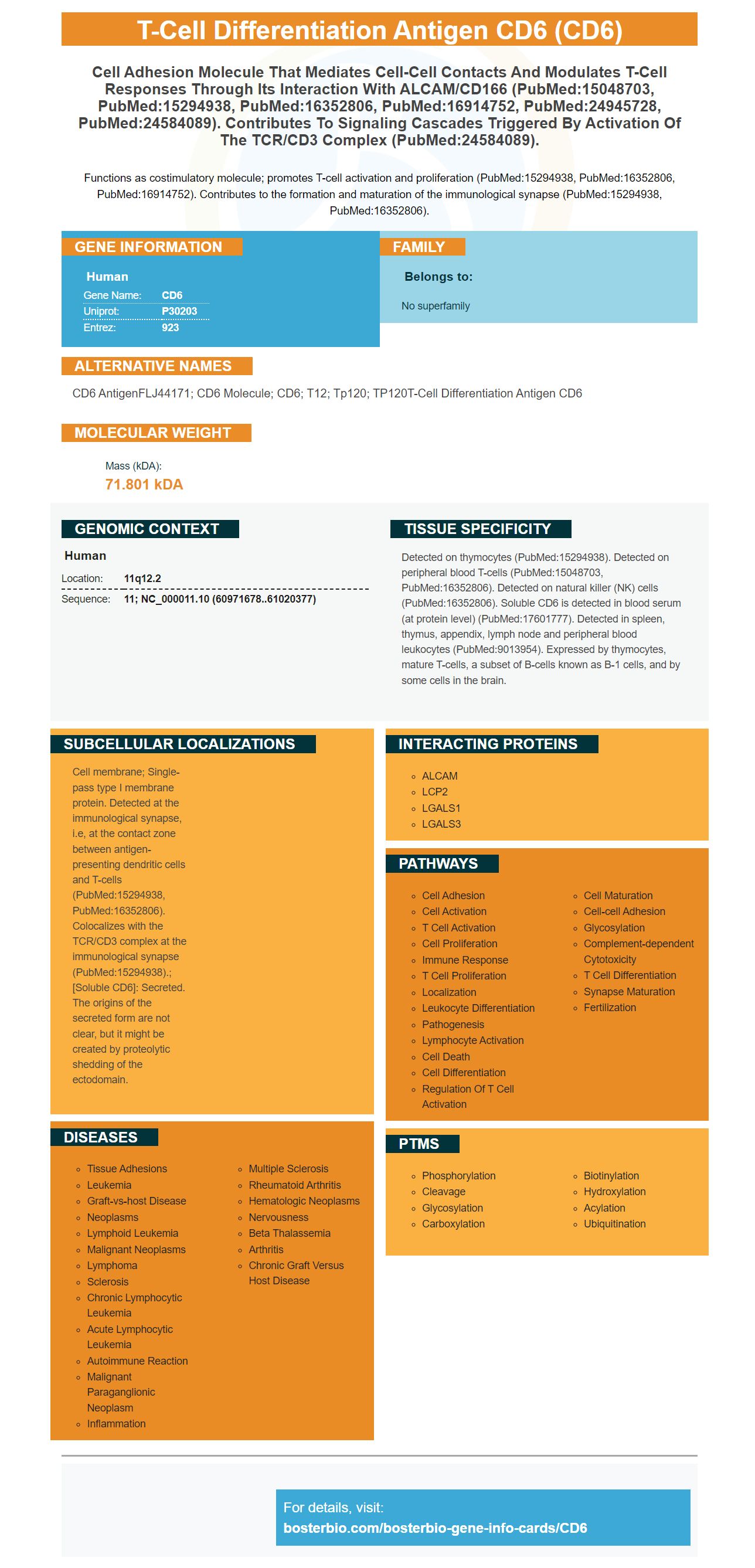
201 Citations
13 Citations
8 Citations
3 Citations
1 Citations
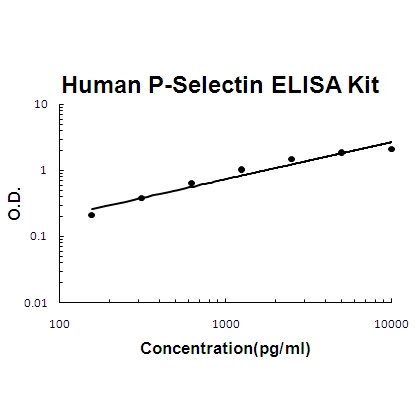
1 Citations

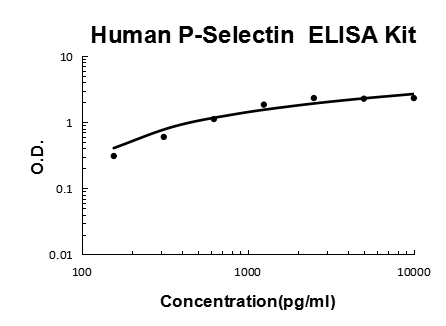
1 Citations
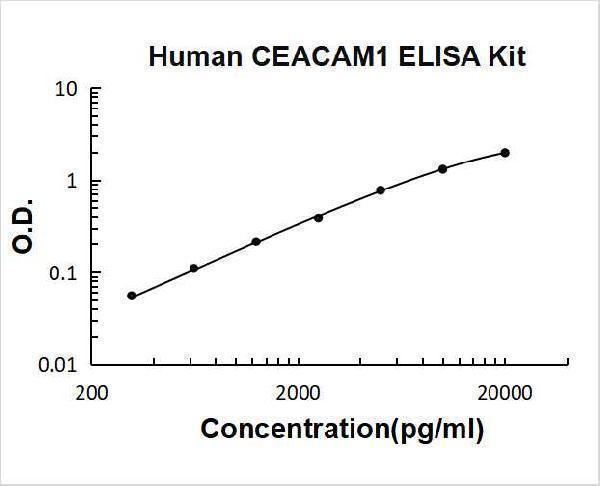
3 Citations
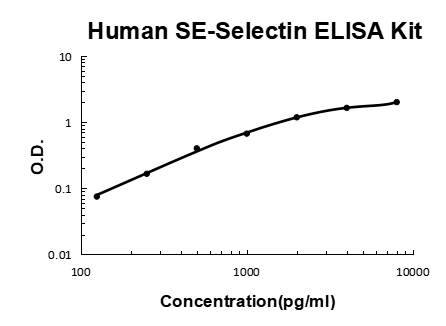

3 Citations




2 Citations
2 Citations
2 Citations


1 Citations
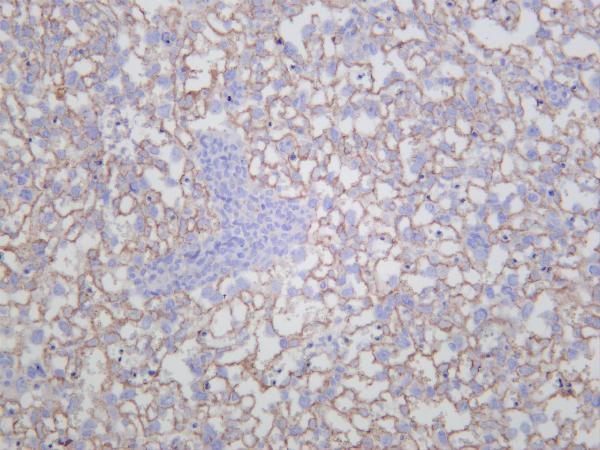
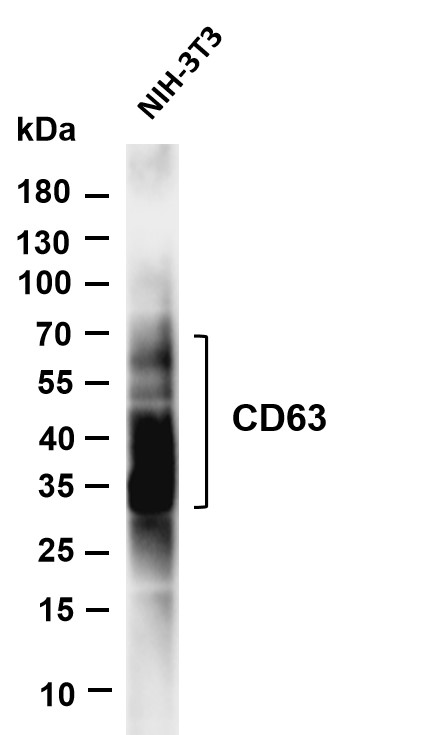
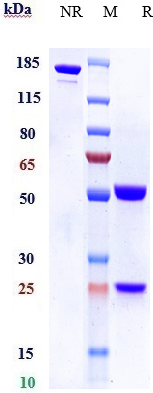
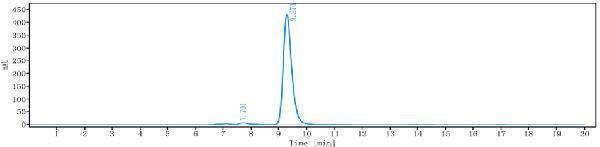
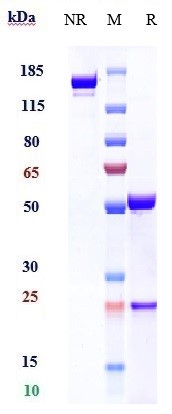
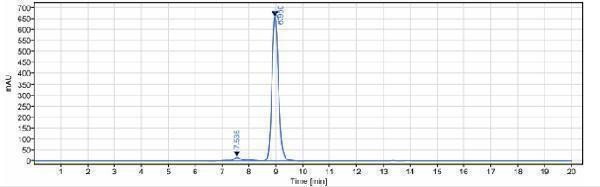
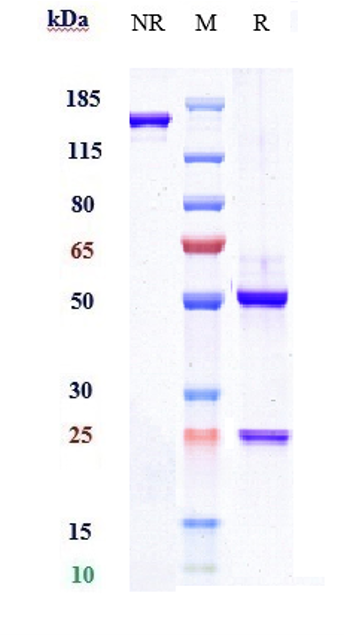
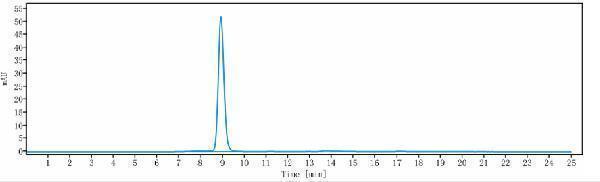
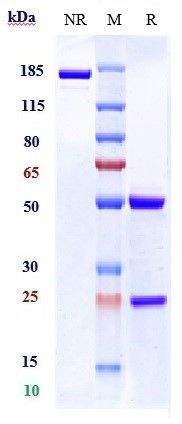
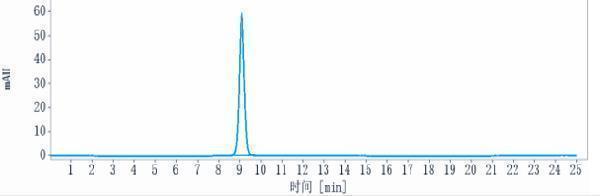
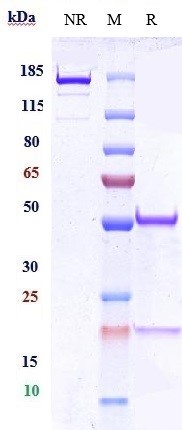
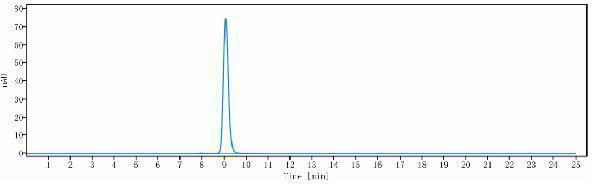
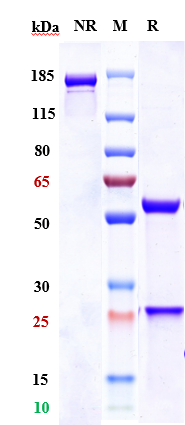
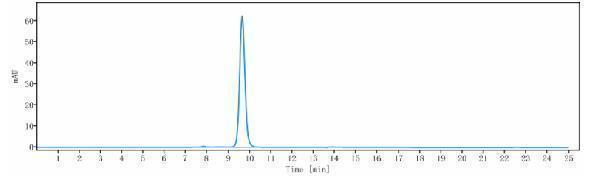
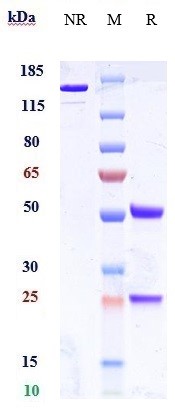
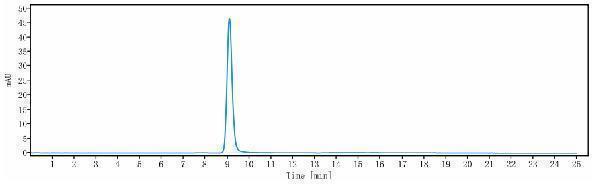
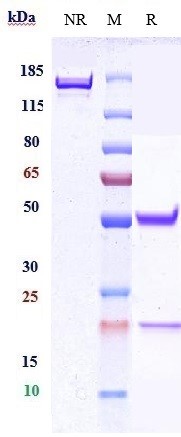
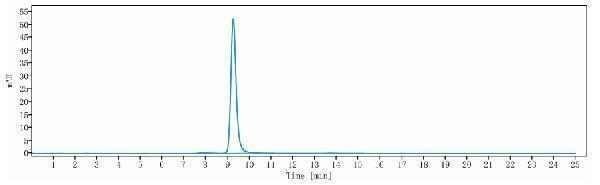
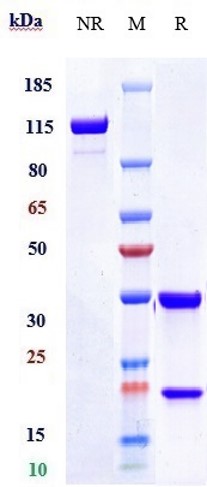
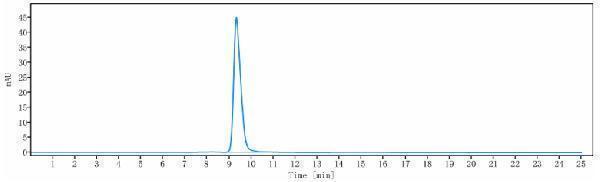
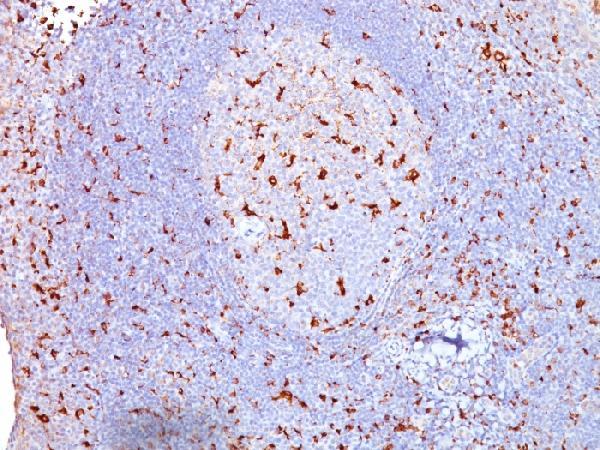
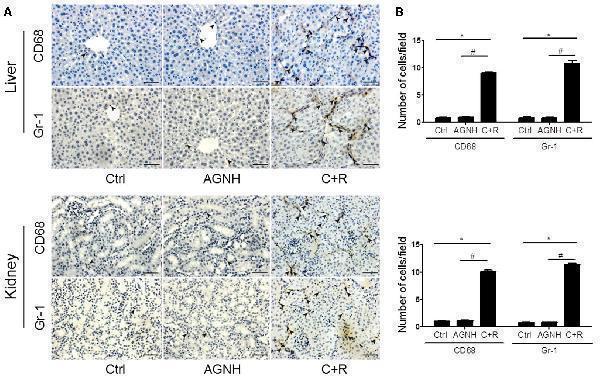

1 Citations

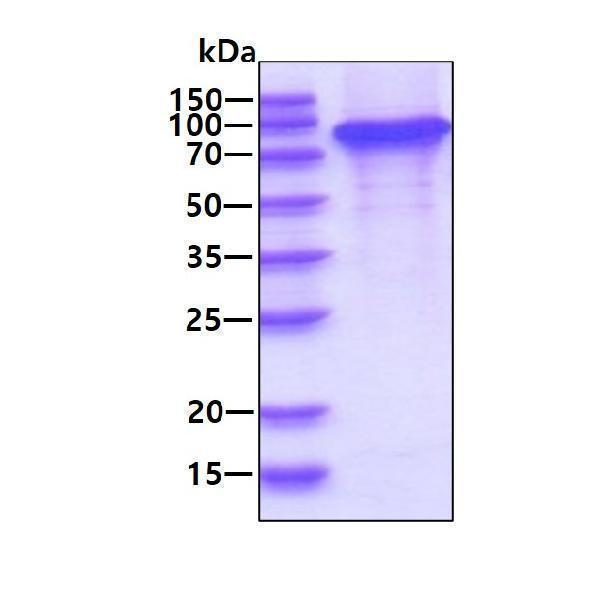
Facts about T-cell differentiation antigen CD6.
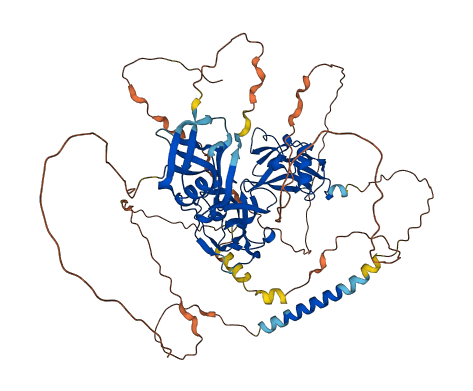
Functions as costimulatory molecule; promotes T-cell activation and proliferation (PubMed:15294938, PubMed:16352806, PubMed:16914752). Contributes to the formation and maturation of the immunological synapse (PubMed:15294938, PubMed:16352806).
| Human | |
|---|---|
| Gene Name: | CD6 |
| Uniprot: | P30203 |
| Entrez: | 923 |
| Belongs to: |
|---|
| No superfamily |

CD6 antigenFLJ44171; CD6 molecule; CD6; T12; Tp120; TP120T-cell differentiation antigen CD6
Mass (kDA):
71.801 kDA

| Human | |
|---|---|
| Location: | 11q12.2 |
| Sequence: | 11; NC_000011.10 (60971678..61020377) |
Detected on thymocytes (PubMed:15294938). Detected on peripheral blood T-cells (PubMed:15048703, PubMed:16352806). Detected on natural killer (NK) cells (PubMed:16352806). Soluble CD6 is detected in blood serum (at protein level) (PubMed:17601777). Detected in spleen, thymus, appendix, lymph node and peripheral blood leukocytes (PubMed:9013954). Expressed by thymocytes, mature T-cells, a subset of B-cells known as B-1 cells, and by some cells in the brain.
Cell membrane; Single-pass type I membrane protein. Detected at the immunological synapse, i.e, at the contact zone between antigen-presenting dendritic cells and T-cells (PubMed:15294938, PubMed:16352806). Colocalizes with the TCR/CD3 complex at the immunological synapse (PubMed:15294938).; [Soluble CD6]: Secreted. The origins of the secreted form are not clear, but it might be created by proteolytic shedding of the ectodomain.




PMID: 9013954 by Bowen M.A., et al. Structure and chromosomal location of the human CD6 gene: detection of five human CD6 isoforms.
PMID: 1919444 by Aruffo A., et al. The lymphocyte glycoprotein CD6 contains a repeated domain structure characteristic of a new family of cell surface and secreted proteins.
HPMA–Copolymer Nanocarrier Targets Tumor-Associated Macrophages in...
*Showing only the more recent 20. More publications can be found for each product on its corresponding product page