This website uses cookies to ensure you get the best experience on our website.


- Table of Contents
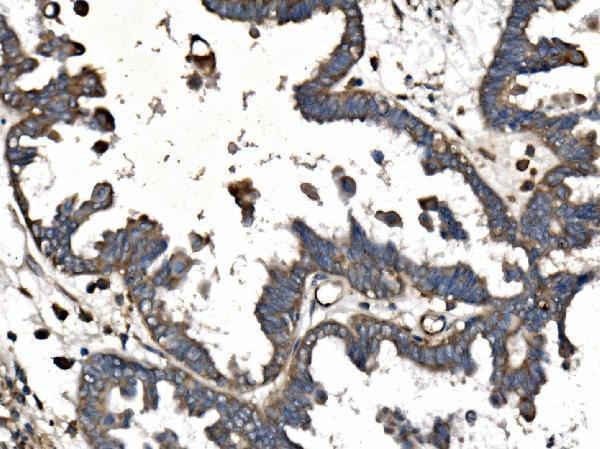
Designing an IHC experiment for PICALM? The guide has the expected staining pattern, antigen retrieval and fixation, antibodies backed by real IHC images, the tissue controls to run alongside, and protocols taken from published papers.
Open the PICALM IHC Guide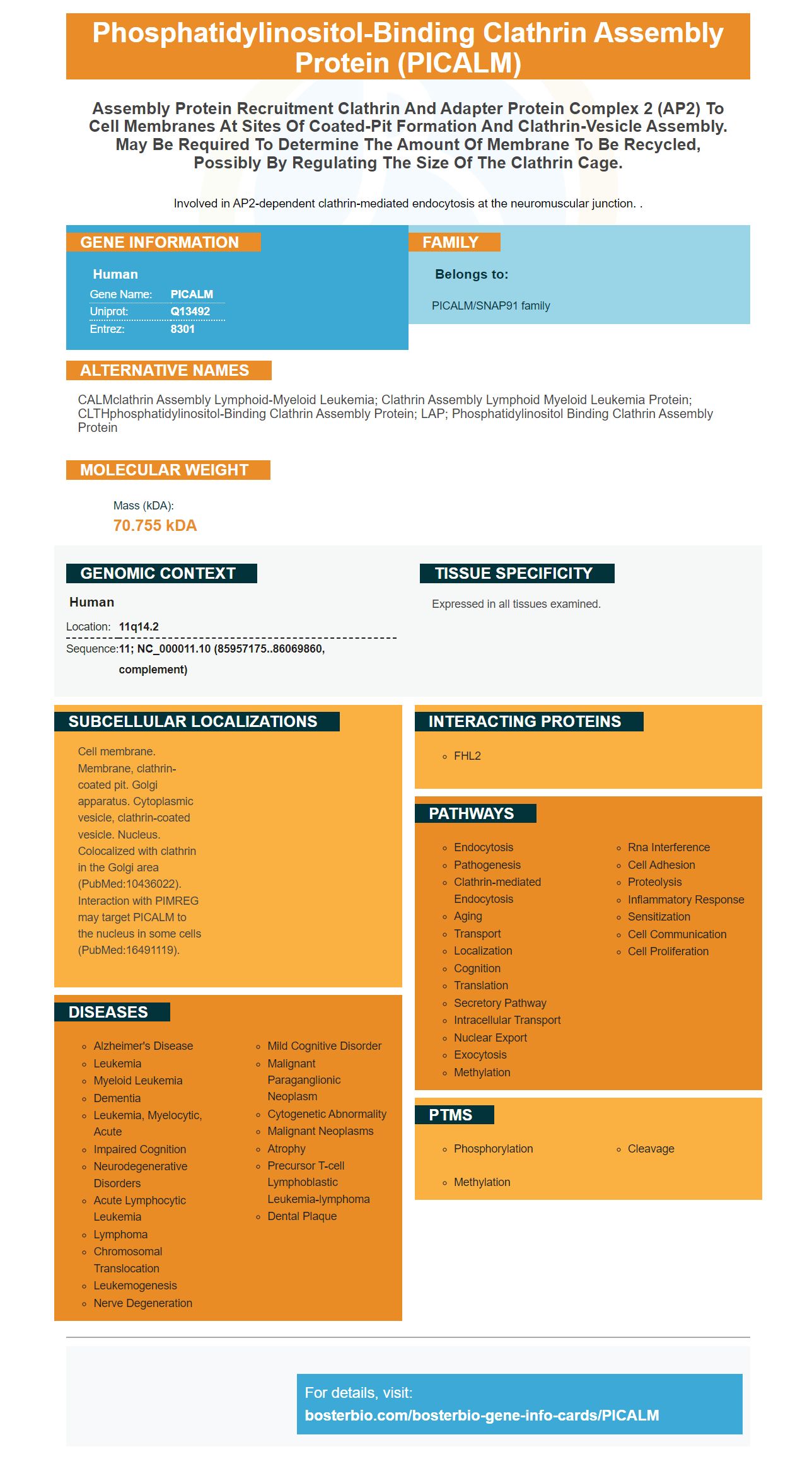
Facts about Phosphatidylinositol-binding clathrin assembly protein.
Involved in AP2-dependent clathrin-mediated endocytosis at the neuromuscular junction. .
| Human | |
|---|---|
| Gene Name: | PICALM |
| Uniprot: | Q13492 |
| Entrez: | 8301 |

| Belongs to: |
|---|
| PICALM/SNAP91 family |

CALMclathrin assembly lymphoid-myeloid leukemia; Clathrin assembly lymphoid myeloid leukemia protein; CLTHphosphatidylinositol-binding clathrin assembly protein; LAP; phosphatidylinositol binding clathrin assembly protein
Mass (kDA):
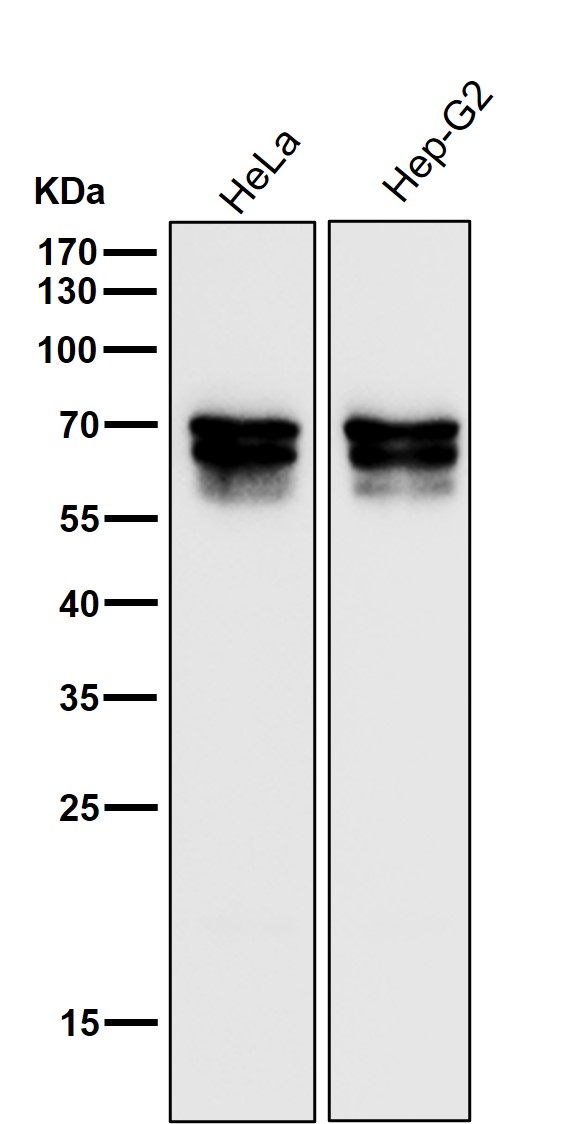
70.755 kDA

| Human | |
|---|---|
| Location: | 11q14.2 |
| Sequence: | 11; NC_000011.10 (85957175..86069860, complement) |
Expressed in all tissues examined.
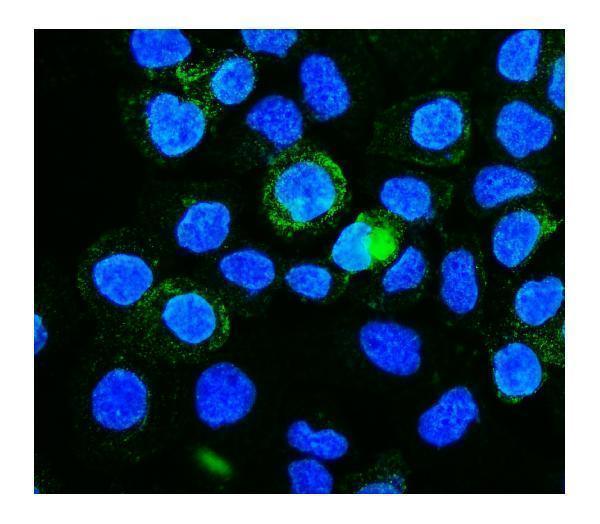
Cell membrane. Membrane, clathrin-coated pit. Golgi apparatus. Cytoplasmic vesicle, clathrin-coated vesicle. Nucleus. Colocalized with clathrin in the Golgi area (PubMed:10436022). Interaction with PIMREG may target PICALM to the nucleus in some cells (PubMed:16491119).





PMID: 8643484 by Dreyling M.H., et al. The t(10;11)(p13;q14) in the U937 cell line results in the fusion of the AF10 gene and CALM, encoding a new member of the AP-3 clathrin assembly protein family.
PMID: 9737689 by Silliman C.C., et al. Alternative splicing in wild-type AF10 and CALM cDNAs and in AF10- CALM and CALM-AF10 fusion cDNAs produced by the t(10;11)(p13-14;q14- q21) suggests a potential role for truncated AF10 polypeptides.