This website uses cookies to ensure you get the best experience on our website.


- Table of Contents
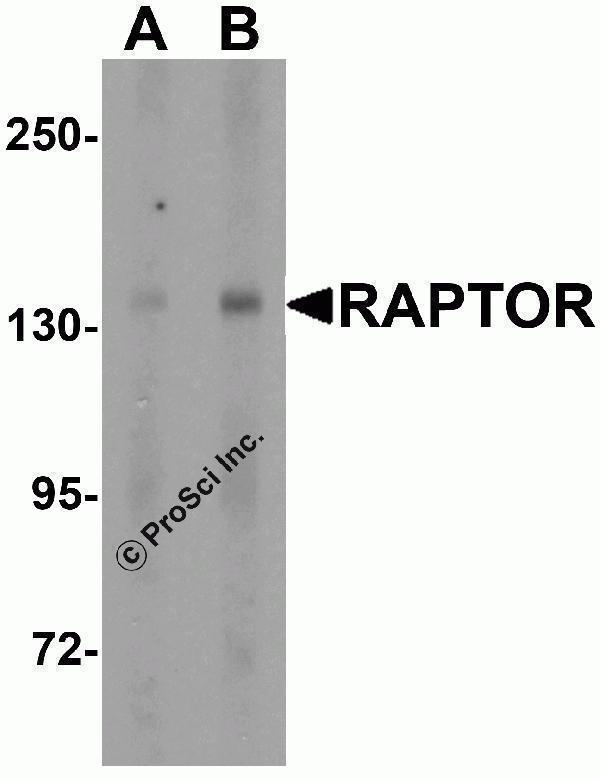
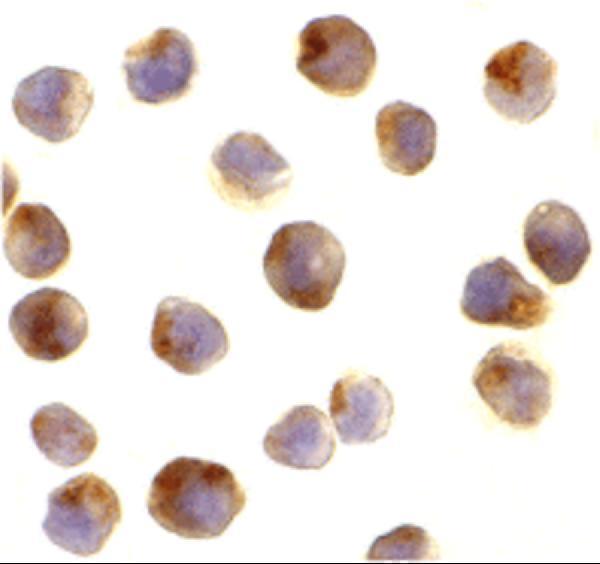
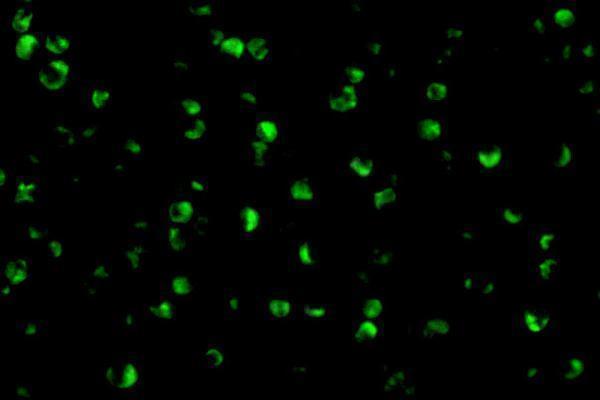
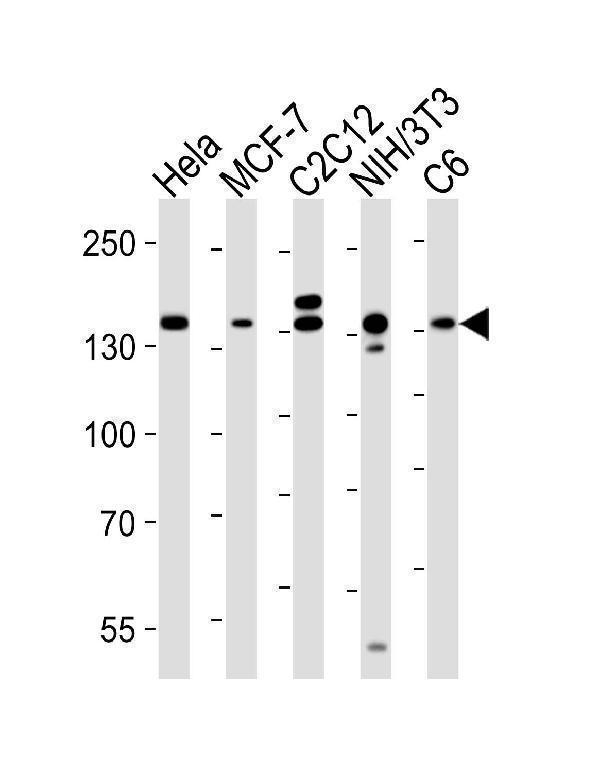
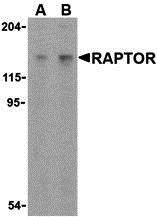
Designing a Western blot for RPTOR? The guide has the expected band size, antibodies backed by real blot images, the controls to run alongside, and protocols taken from published papers.
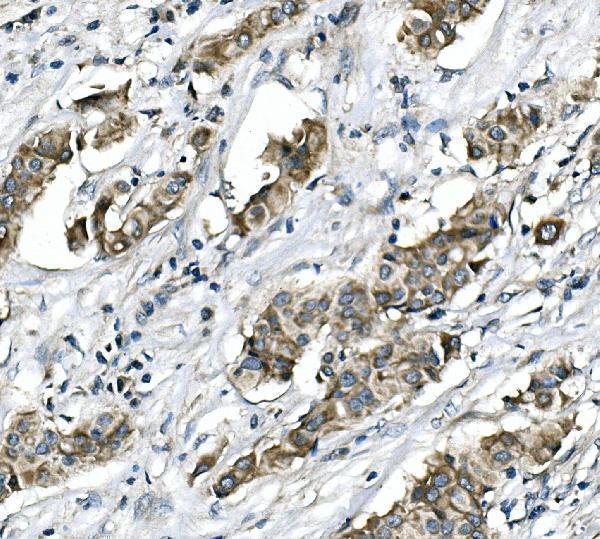
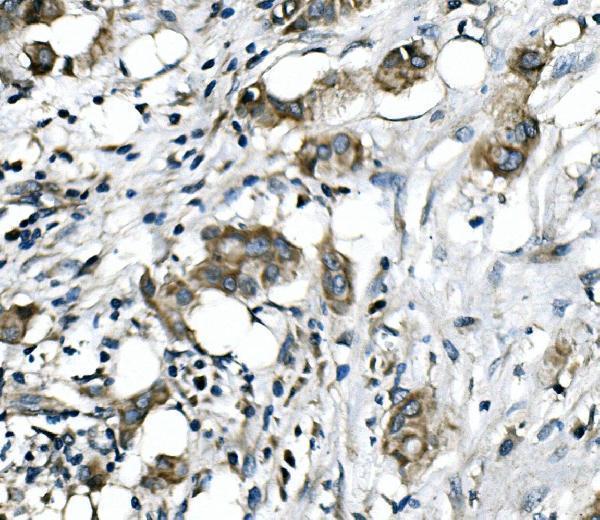
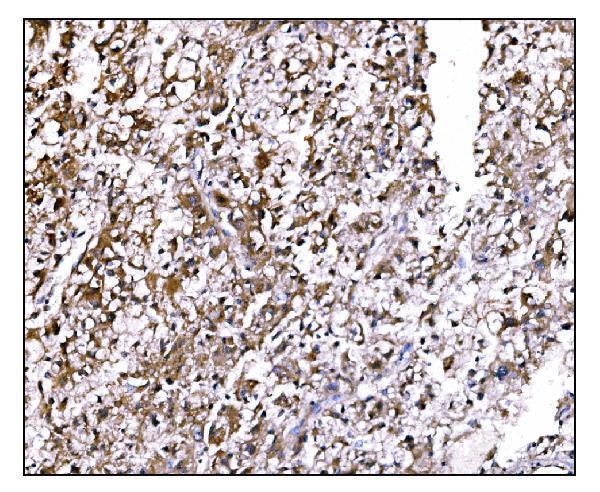
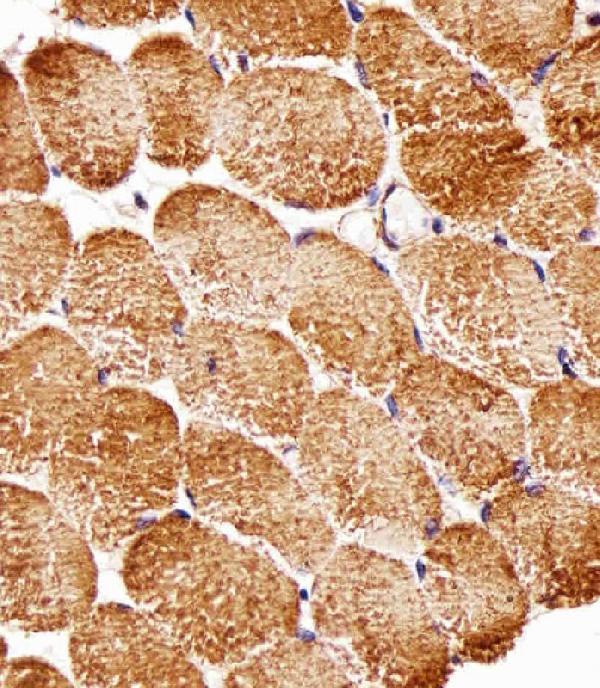
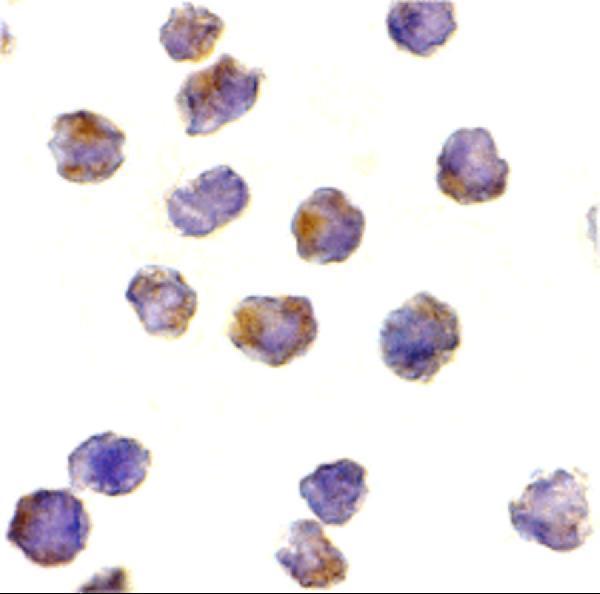
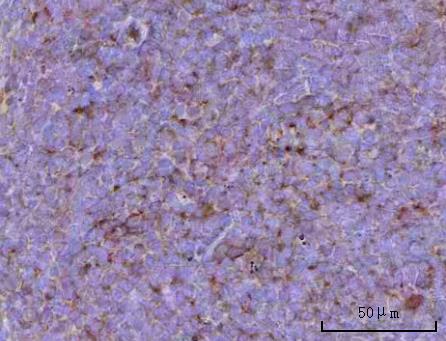
Open the RPTOR Western Blot GuideDesigning an IHC experiment for RPTOR? The guide has the expected staining pattern, antigen retrieval and fixation, antibodies backed by real IHC images, the tissue controls to run alongside, and protocols taken from published papers.
Open the RPTOR IHC Guide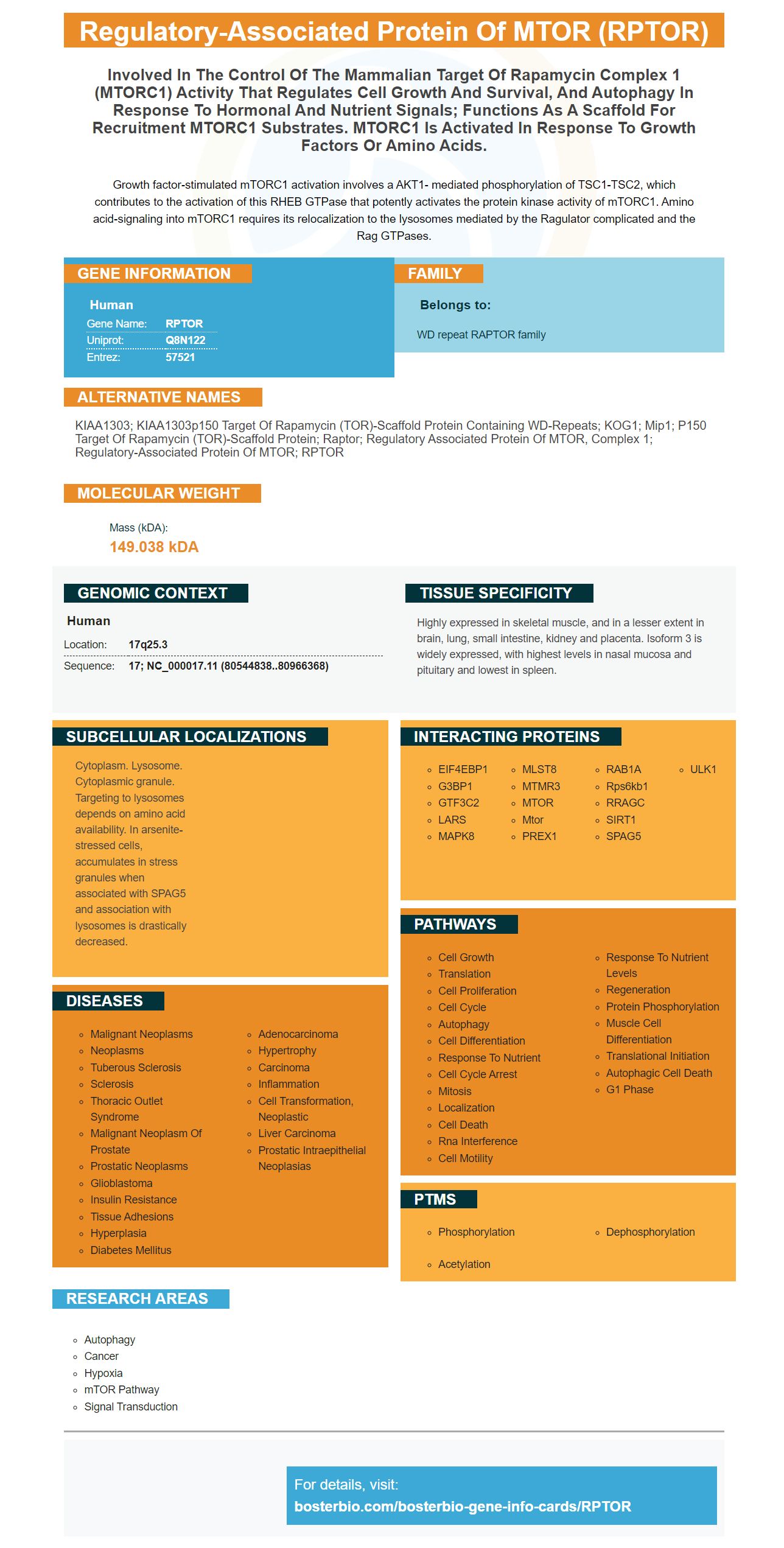
2 Citations
1 Citations
1 Citations

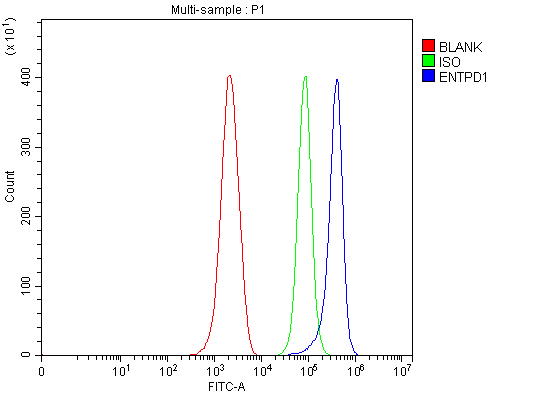
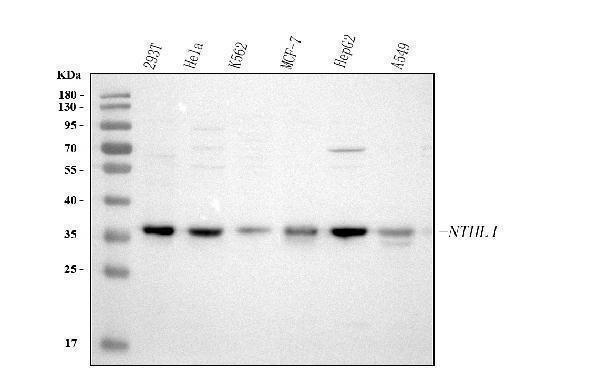
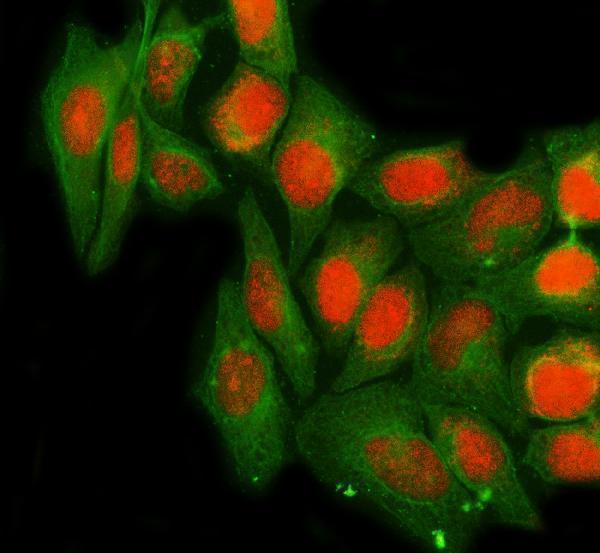
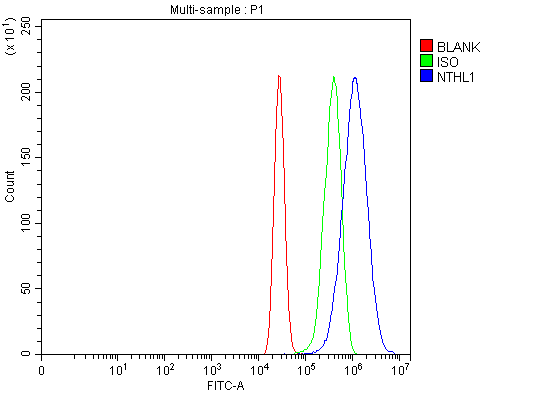
1 Citations
1 Citations
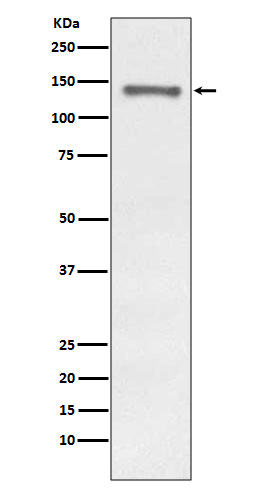
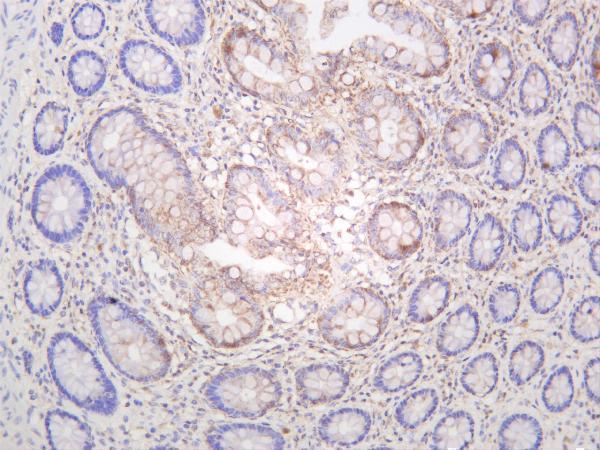
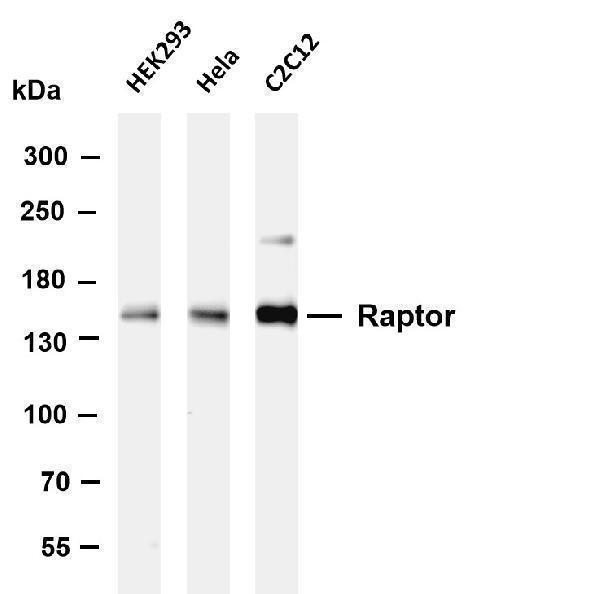
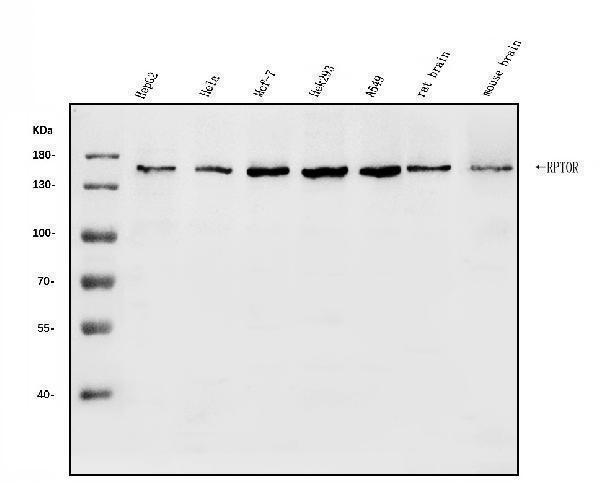
Facts about Regulatory-associated protein of mTOR.
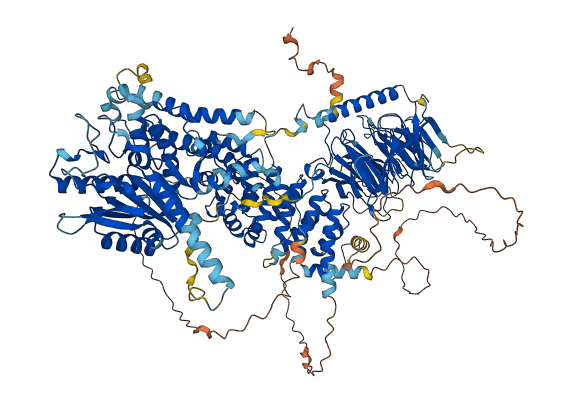
Growth factor-stimulated mTORC1 activation involves a AKT1- mediated phosphorylation of TSC1-TSC2, which contributes to the activation of this RHEB GTPase that potently activates the protein kinase activity of mTORC1. Amino acid-signaling into mTORC1 requires its relocalization to the lysosomes mediated by the Ragulator complicated and the Rag GTPases.
| Human | |
|---|---|
| Gene Name: | RPTOR |
| Uniprot: | Q8N122 |
| Entrez: | 57521 |

| Belongs to: |
|---|
| WD repeat RAPTOR family |

KIAA1303; KIAA1303p150 target of rapamycin (TOR)-scaffold protein containing WD-repeats; KOG1; Mip1; p150 target of rapamycin (TOR)-scaffold protein; Raptor; regulatory associated protein of MTOR, complex 1; regulatory-associated protein of mTOR; RPTOR
Mass (kDA):
149.038 kDA

| Human | |
|---|---|
| Location: | 17q25.3 |
| Sequence: | 17; NC_000017.11 (80544838..80966368) |
Highly expressed in skeletal muscle, and in a lesser extent in brain, lung, small intestine, kidney and placenta. Isoform 3 is widely expressed, with highest levels in nasal mucosa and pituitary and lowest in spleen.
Cytoplasm. Lysosome. Cytoplasmic granule. Targeting to lysosomes depends on amino acid availability. In arsenite-stressed cells, accumulates in stress granules when associated with SPAG5 and association with lysosomes is drastically decreased.






PMID: 12150925 by Kim D.-H., et al. mTOR interacts with raptor to form a nutrient-sensitive complex that signals to the growth machinery.
PMID: 12150926 by Hara K., et al. Raptor, a binding partner of target of rapamycin (TOR), mediates TOR action.
*More publications can be found for each product on its corresponding product page