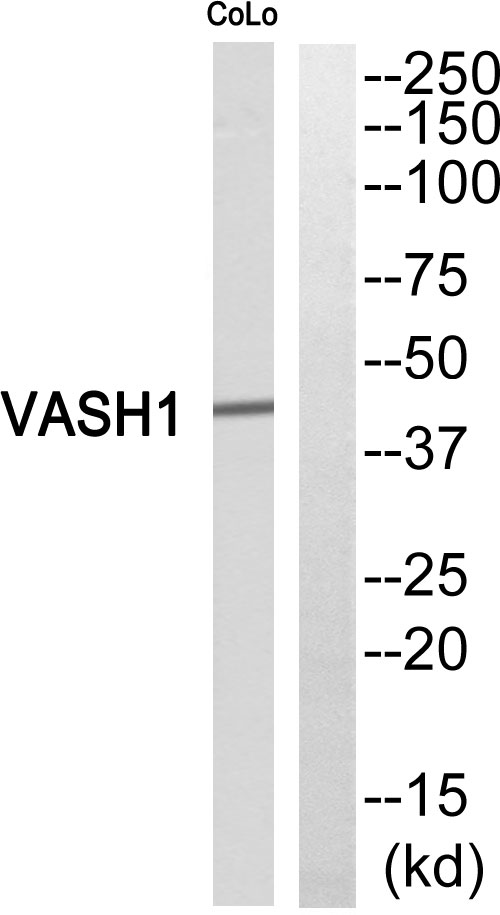
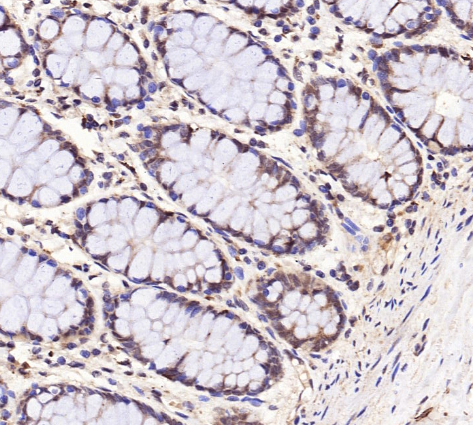
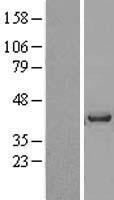
This website uses cookies to ensure you get the best experience on our website.


- Table of Contents

Facts about Tubulinyl-Tyr carboxypeptidase 1.
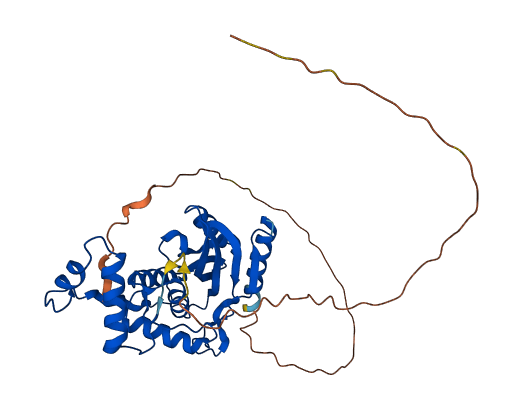
This inhibitory effect is selective to endothelial cells as it doesn't affect the migration of smooth muscle cells or fibroblasts (PubMed:15467828, PubMed:16488400, PubMed:16707096). .
| Human | |
|---|---|
| Gene Name: | VASH1 |
| Uniprot: | Q7L8A9 |
| Entrez: | 22846 |
| Belongs to: |
|---|
| transglutaminase-like superfamily |

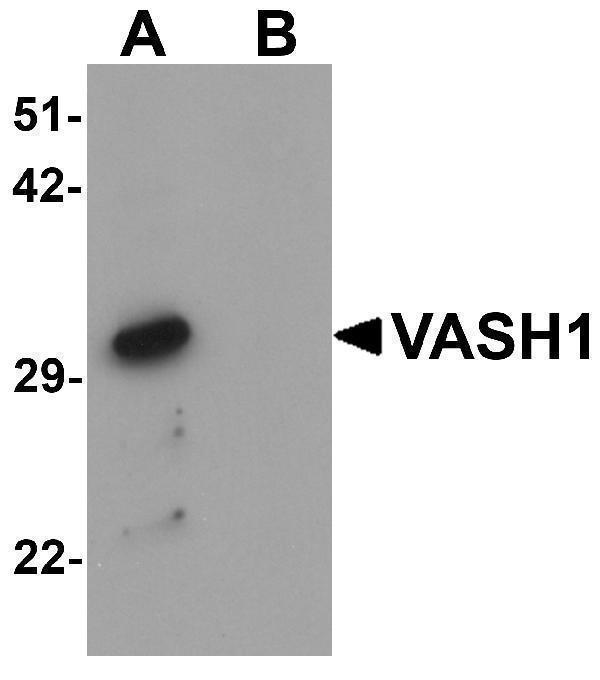
KIAA1036; KIAA1036vasohibin-1; VASH; VASH1; vasohibin 1; Vasohibin
Mass (kDA):
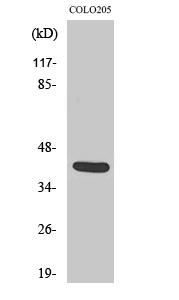
40.957 kDA

| Human | |
|---|---|
| Location: | 14q24.3 |
| Sequence: | 14; NC_000014.9 (76761457..76783017) |
Preferentially expressed in endothelial cells (PubMed:15467828, PubMed:16707096). Highly expressed in fetal organs (PubMed:15467828). Expressed in brain and placenta, and at lower level in heart and kidney (PubMed:15467828). Highly detected in microvessels endothelial cells of atherosclerotic lesions (PubMed:16707096).
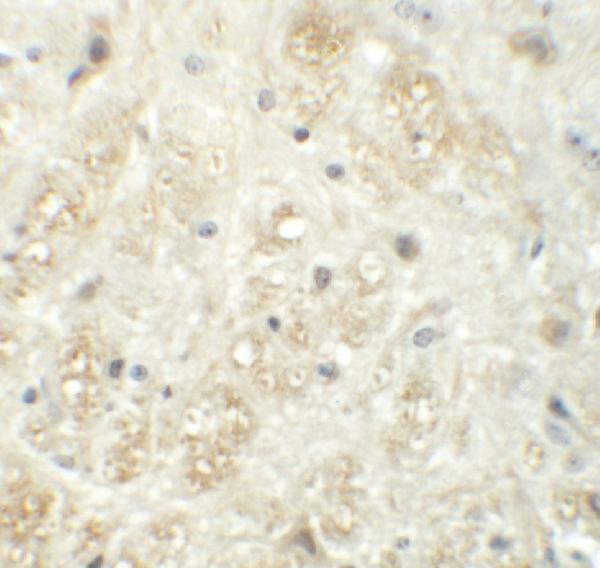
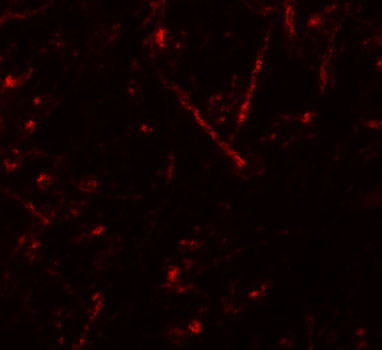
Cytoplasm. Secreted. Mainly localizes in the cytoplasm (PubMed:27879017). Some fraction is secreted via a non-canonical secretion system; interaction with SVBP promotes secretion (PubMed:27879017).


PMID: 15467828 by Watanabe K., et al. Vasohibin as an endothelium-derived negative feedback regulator of angiogenesis.
PMID: 15649403 by Shimizu K., et al. Gene regulation of a novel angiogenesis inhibitor, vasohibin, in endothelial cells.