This website uses cookies to ensure you get the best experience on our website.


- Table of Contents
and ELISA kits, proteins related to Depression.
Depression is a pervasive mental health condition that affects millions worldwide, influencing thoughts, emotions, and daily functioning. Characterized by persistent feelings of sadness, loss of interest, and a range of emotional and physical challenges, depression can significantly impact an individual’s quality of life. Recent research has delved into the biological underpinnings of depression, exploring the role of the immune system and specific antibodies in its development and progression. Understanding these connections opens new avenues for innovative treatments and interventions. Our landing page is dedicated to showcasing the latest advancements in depression research, particularly focusing on antibody-related studies, aiming to shed light on more effective solutions and provide hope for those affected by this debilitating condition.

M00035-1
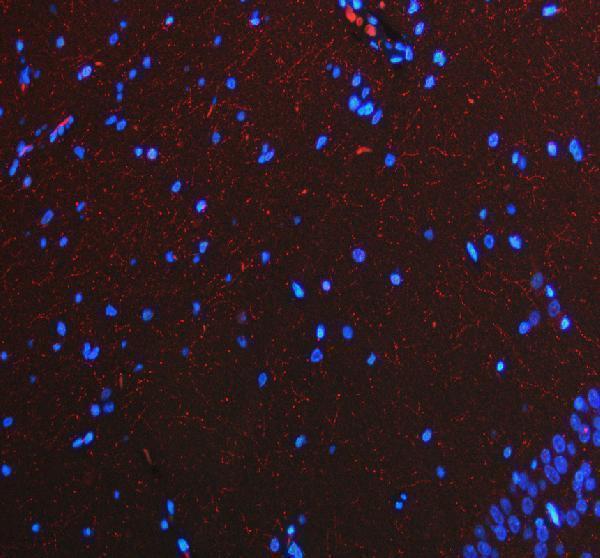
PB9438

PB9232
| Protein Name | Gene Name | Function |
|---|---|---|
| Brain-Derived Neurotrophic Factor (BDNF) | BDNF | Supports neuronal growth and synaptic plasticity |
| Serotonin Transporter | SLC6A4 | Regulates serotonin reuptake in the brain |
| Cortisol | NR3C1 | Stress hormone involved in the hypothalamic-pituitary-adrenal axis |
| Interleukin-6 (IL-6) | IL6 | Pro-inflammatory cytokine implicated in immune response |
| Tumor Necrosis Factor-alpha (TNF-α) | TNF | Pro-inflammatory cytokine involved in systemic inflammation |
| FK506 Binding Protein 5 (FKBP5) | FKBP5 | Regulates glucocorticoid receptor sensitivity and stress response |
| C-Reactive Protein (CRP) | CRP | Acute-phase protein serving as a marker of inflammation |
| Neuropeptide Y (NPY) | NPY | Regulates stress response, appetite, and energy balance |
| Tryptophan Hydroxylase 2 (TPH2) | TPH2 | Enzyme involved in serotonin synthesis |
| Monoamine Oxidase A (MAOA) | MAOA | Enzyme that breaks down monoamines, affecting neurotransmitter levels |
| Glutamate Receptor Metabotropic 3 (GRM3) | GRM3 | Modulates excitatory neurotransmission and synaptic plasticity |
| Apolipoprotein E (APOE) | APOE | Involved in lipid metabolism and neuronal repair |
| NTRK2 | NTRK2 | Receptor for BDNF, essential for neuroplasticity |
| S100B | S100B | Calcium-binding protein involved in glial cell function |
| Dopamine D2 Receptor | DRD2 | Mediates dopamine neurotransmission affecting mood and behavior |
| Glycogen Synthase Kinase 3 Beta (GSK3B) | GSK3B | Involved in signaling pathways that regulate mood |
| P2X7 Receptor (P2RX7) | P2RX7 | Purinergic receptor involved in inflammatory responses |
| VGF Nerve Growth Factor Inducible (VGF) | VGF | Promotes neurotrophic effects and synaptic plasticity |
| cAMP Response Element-Binding Protein (CREB) | CREB1 | Transcription factor important for neuroplasticity and survival |
| Superoxide Dismutase 1 (SOD1) | SOD1 | Antioxidant enzyme that protects against oxidative stress |
Neurobiological mechanisms represent a cornerstone in understanding depression, focusing on the intricate interactions within the brain's structure and chemistry that contribute to depressive states. This sub-area explores the role of neurotransmitters such as serotonin, norepinephrine, and dopamine, which are crucial in regulating mood, motivation, and emotional responses. Dysregulation or imbalances in these chemicals have been consistently linked to depressive symptoms. Additionally, research delves into brain regions like the prefrontal cortex, hippocampus, and amygdala, examining how alterations in their function and connectivity can influence mood and cognitive processes. Advances in neuroimaging techniques have enabled scientists to visualize these changes, offering insights into how depression manifests at a structural and functional level. Furthermore, the study of neuroplasticity— the brain's ability to reorganize itself by forming new neural connections—has opened avenues for understanding how therapeutic interventions, such as antidepressant medications and electroconvulsive therapy, can induce positive changes in brain architecture. By unraveling these complex biological underpinnings, researchers aim to develop more targeted and effective treatments, ultimately enhancing the quality of life for individuals suffering from depression.
Psychosocial factors encompass the wide range of social, psychological, and environmental influences that contribute to the onset, progression, and maintenance of depression. This sub-area investigates how elements such as chronic stress, traumatic life events, interpersonal relationships, and socioeconomic status impact an individual's mental health. For instance, prolonged exposure to stressors like job loss, bereavement, or dysfunctional family dynamics can trigger depressive episodes by overwhelming an individual's coping mechanisms. Additionally, cognitive patterns—such as negative thinking, hopelessness, and low self-esteem—are explored to understand how they perpetuate depressive symptoms. Social support systems, or the lack thereof, play a critical role in resilience and recovery, highlighting the importance of community and relational networks in mitigating depressive experiences. Cultural factors also come into play, as societal norms and stigma surrounding mental health can influence how individuals perceive and seek help for their depression. Moreover, the interplay between personality traits, such as perfectionism or neuroticism, and environmental stressors is examined to provide a comprehensive view of vulnerability and protective factors. By addressing these multifaceted psychosocial elements, interventions can be designed to not only alleviate symptoms but also address the root causes, fostering long-term mental well-being.