This website uses cookies to ensure you get the best experience on our website.


- Table of Contents
and ELISA kits, proteins related to Diabetes Mellitus.
Diabetes Mellitus is a chronic metabolic disorder characterized by elevated blood glucose levels resulting from the body’s inability to produce or effectively use insulin. Affecting millions worldwide, it manifests primarily in two forms: Type 1, an autoimmune condition where the immune system attacks insulin-producing cells, and Type 2, which involves insulin resistance and is often associated with lifestyle factors. Managing Diabetes Mellitus is crucial to prevent serious complications such as heart disease, kidney failure, and neuropathy. Ongoing research into targeted therapies, including the development of specific antibodies, holds promise for more effective treatments and potential cures. By understanding the underlying mechanisms of diabetes, scientists aim to innovate novel approaches that improve patient outcomes and enhance quality of life for those living with this pervasive condition.
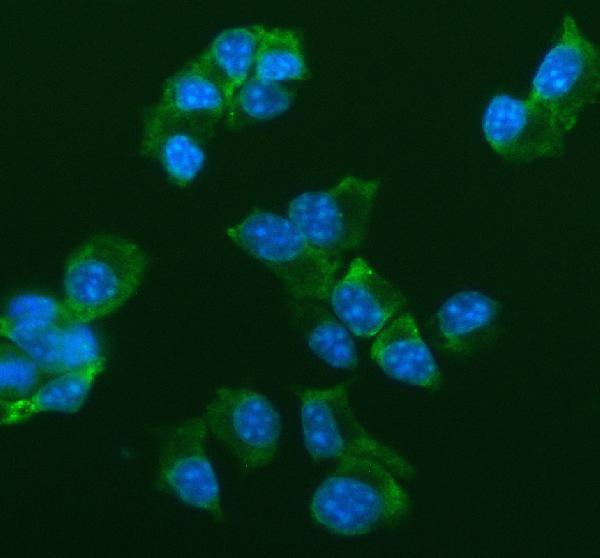
M00067-1
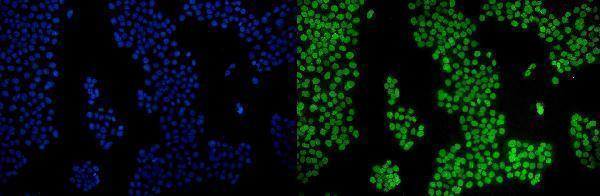
A00449-3
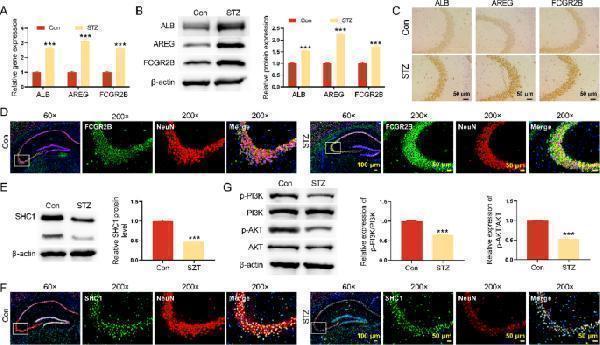
M01245
| Protein Name | Gene Name | Function |
|---|---|---|
| Insulin | INS | Regulates blood glucose levels by facilitating cellular uptake. |
| C-Peptide | INS | Indicates endogenous insulin production. |
| Glucose Transporter Type 4 (GLUT4) | SLC2A4 | Mediates insulin-regulated glucose uptake in adipose tissue and muscle. |
| Adiponectin | ADIPOQ | Enhances insulin sensitivity and has anti-inflammatory effects. |
| Leptin | LEP | Regulates energy balance and appetite. |
| Tumor Necrosis Factor-alpha (TNF-α) | TNF | Promotes inflammation and insulin resistance. |
| Interleukin-6 (IL-6) | IL6 | Mediates inflammatory responses and influences insulin signaling. |
| Glycated Albumin | ALB | Serves as a short-term marker of glycemic control. |
| Insulin Receptor Substrate 1 (IRS-1) | IRS1 | Plays a key role in insulin signal transduction. |
| Peroxisome Proliferator-Activated Receptor Gamma (PPAR-γ) | PPARG | Regulates fatty acid storage and glucose metabolism. |
| Glucokinase | GCK | Acts as a glucose sensor in pancreatic beta cells. |
| C-Reactive Protein (CRP) | CRP | Marker of systemic inflammation associated with diabetes risk. |
| Fibrinogen | FGA | Involved in blood clotting and associated with insulin resistance. |
| Resistin | RETN | Linked to insulin resistance and inflammation. |
| Proprotein Convertase Subtilisin/Kexin Type 9 (PCSK9) | PCSK9 | Regulates cholesterol metabolism and may influence diabetes risk. |
| Fibroblast Growth Factor 21 (FGF21) | FGF21 | Regulates metabolism, including glucose uptake and insulin sensitivity. |
| Serum Amyloid A (SAA) | SAA1 | Acute-phase protein associated with inflammation and insulin resistance. |
| Adipocyte Fatty Acid-Binding Protein (A-FABP) | FABP4 | Involved in lipid metabolism and linked to insulin resistance. |
| Osteoprotegerin (OPG) | TNFRSF11B | Regulates bone metabolism and is associated with diabetes complications. |
| Plasminogen Activator Inhibitor-1 (PAI-1) | SERPINE1 | Involved in fibrinolysis and associated with insulin resistance. |
Insulin resistance is a fundamental mechanism in the pathogenesis of type 2 Diabetes Mellitus (T2DM) and is characterized by the reduced responsiveness of target tissues, such as muscle, liver, and adipose tissue, to the action of insulin. This sub-research area focuses on understanding the molecular and cellular mechanisms that lead to impaired insulin signaling. Key studies investigate the role of insulin receptor substrates, the PI3K-Akt pathway, and the impact of chronic inflammation and lipid accumulation on insulin sensitivity. Additionally, researchers explore the influence of genetic and environmental factors, including obesity and sedentary lifestyle, on the development of insulin resistance. By elucidating these pathways, scientists aim to identify potential therapeutic targets to enhance insulin sensitivity and prevent or manage T2DM more effectively.
Beta-cell dysfunction plays a critical role in both the initiation and progression of Diabetes Mellitus. This research area is dedicated to understanding the factors that lead to the impaired function and eventual loss of insulin-producing beta cells in the pancreas. Studies delve into the genetic predispositions, autoimmune responses in type 1 Diabetes, and the effects of chronic metabolic stress in type 2 Diabetes. Oxidative stress, endoplasmic reticulum stress, and inflammatory cytokines are among the key factors investigated for their roles in beta-cell apoptosis and dysfunction. Additionally, researchers explore strategies for beta-cell preservation and regeneration, including stem cell therapy, islet transplantation, and pharmacological agents aimed at protecting beta-cell mass and function. Advancements in this area are crucial for developing interventions that can halt or reverse the loss of beta-cell function, thereby improving insulin production and achieving better glycemic control in diabetic patients.