This website uses cookies to ensure you get the best experience on our website.


- Table of Contents
and ELISA kits, proteins related to Fibromyalgia.
Fibromyalgia is a chronic condition characterized by widespread musculoskeletal pain, fatigue, and tenderness in localized areas. Affecting millions worldwide, it significantly impacts daily life, limiting physical activities and reducing overall quality of life. Despite its prevalence, the exact cause of fibromyalgia remains elusive, making diagnosis and treatment challenging. Recent advancements in medical research have begun to shed light on the underlying mechanisms, with a particular focus on the role of the immune system. Investigating specific antibodies related to fibromyalgia holds promise for developing more effective diagnostics and targeted therapies. Understanding these antibody interactions may unlock new pathways to alleviate symptoms and improve outcomes for those living with this debilitating condition. Our commitment to advancing fibromyalgia research aims to transform the lives of patients through innovative scientific discovery and compassionate care.
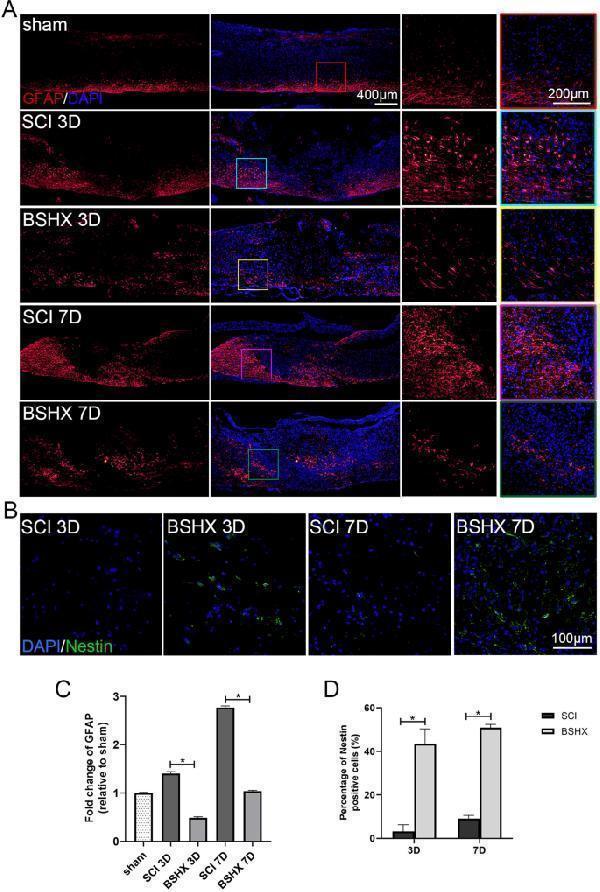
PA1239
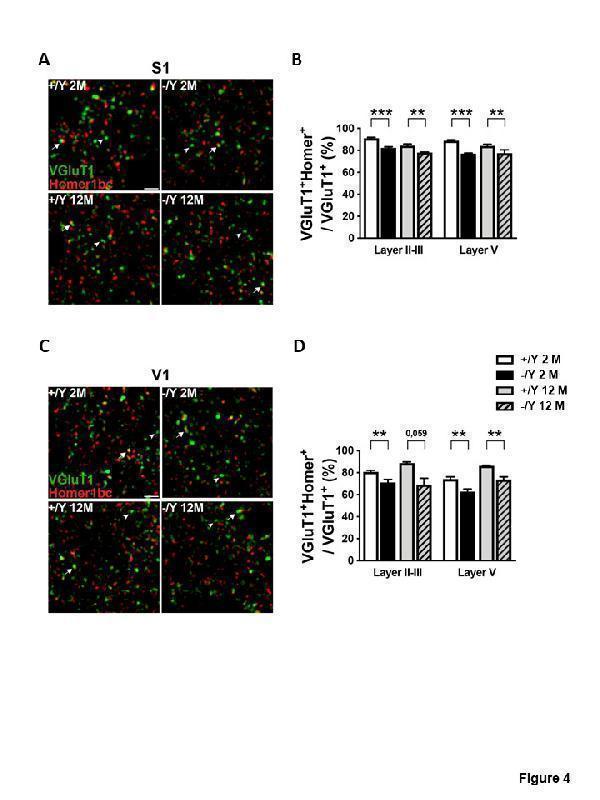
PB9449

M00035-1
| Protein Name | Gene Name | Function |
|---|---|---|
| Brain-Derived Neurotrophic Factor | BDNF | Supports neuron growth and synaptic plasticity, linked to pain sensitivity. |
| Substance P | TAC1 | Neuropeptide involved in transmitting pain signals. |
| Catechol-O-Methyltransferase | COMT | Enzyme that breaks down catecholamines, affecting pain sensitivity. |
| Interleukin-6 | IL6 | Pro-inflammatory cytokine involved in immune response. |
| Tumor Necrosis Factor-alpha | TNF | Pro-inflammatory cytokine contributing to inflammation. |
| C-Reactive Protein | CRP | Marker of systemic inflammation. |
| Dopamine | TH | Neurotransmitter involved in mood regulation and pain. |
| Serotonin Transporter | SLC6A4 | Regulates serotonin levels in the synaptic cleft. |
| Neuropeptide Y | NPY | Involved in stress response and modulation of pain. |
| Fibroblast Growth Factor 2 | FGF2 | Promotes nerve repair and maintenance. |
| Glial Fibrillary Acidic Protein | GFAP | Marker for astroglial activation and neuroinflammation. |
| Melatonin | AANAT | Regulates sleep cycles and has analgesic properties. |
| Galanin | GAL | Neuropeptide involved in pain modulation and mood regulation. |
| Chemokine Receptor 4 | CCR4 | Involved in immune cell migration and inflammatory responses. |
| Vasoactive Intestinal Peptide | VIP | Modulates vasodilation and pain perception. |
| α2-Adrenergic Receptor | ADRA2A | Receptor involved in norepinephrine-mediated pain modulation. |
| Substance P Receptor | TACR1 | Receptor for Substance P, key in pain signal transmission. |
| Interleukin-8 | CXCL8 | Chemokine involved in the recruitment of immune cells during inflammation. |
Central sensitization is a fundamental mechanism in the pathophysiology of fibromyalgia, characterized by an increased responsiveness of neurons in the central nervous system to normal or subthreshold sensory inputs. This heightened sensitivity results in the amplification of pain signals, making individuals more susceptible to experiencing pain from stimuli that are typically non-painful, a phenomenon known as allodynia. Additionally, central sensitization contributes to hyperalgesia, where the perception of pain is exaggerated. The underlying processes involve alterations in neurotransmitter levels, such as increased glutamate and decreased GABAergic inhibition, which facilitate the persistent activation of pain pathways. Moreover, structural and functional changes in brain regions responsible for pain processing, including the anterior cingulate cortex and insula, have been observed in fibromyalgia patients. Understanding central sensitization is crucial as it not only elucidates the persistent and widespread pain characteristic of fibromyalgia but also guides the development of targeted treatments. Therapeutic approaches aimed at modulating central nervous system excitability, such as certain pharmacological agents and cognitive-behavioral therapies, hold promise in alleviating the heightened pain sensitivity associated with this condition.
Neuroinflammation has emerged as a significant area of research in understanding fibromyalgia, highlighting the role of inflammatory processes within the central nervous system in the development and maintenance of chronic pain. Unlike peripheral inflammation, neuroinflammation involves the activation of glial cells, such as microglia and astrocytes, which release pro-inflammatory cytokines and chemokines. These inflammatory mediators can enhance neuronal excitability and synaptic transmission, thereby exacerbating pain perception. Studies using advanced imaging techniques have identified increased markers of neuroinflammation in key pain-processing areas of the brain in fibromyalgia patients. Furthermore, neuroinflammation may interact with other pathophysiological mechanisms, including central sensitization and autonomic dysfunction, creating a complex network that sustains chronic pain and other symptoms like fatigue and cognitive disturbances. Investigating neuroinflammation not only provides deeper insights into the biological underpinnings of fibromyalgia but also opens avenues for novel therapeutic interventions. Anti-inflammatory agents, glial cell modulators, and strategies to reduce pro-inflammatory cytokine production are being explored as potential treatments to mitigate the neuroinflammatory component of fibromyalgia, offering hope for more effective symptom management.