This website uses cookies to ensure you get the best experience on our website.


- Table of Contents
and ELISA kits, proteins related to Systemic Vasculitis.
Systemic vasculitis represents a diverse group of rare but severe conditions characterized by inflammation of blood vessels, which can disrupt blood flow and cause damage to organs and tissues. This inflammation can affect arteries and veins of various sizes and types, leading to a wide range of symptoms depending on the vessels and organs involved. Common symptoms include fever, fatigue, weight loss, and muscle pain, though specific manifestations can vary dramatically, reflecting the systemic nature of the disorder. The precise causes of systemic vasculitis remain largely unknown, though they are believed to involve complex interactions between genetic factors and the immune system, sometimes triggered by environmental factors. Systemic vasculitis can be life-threatening if not diagnosed and treated promptly. Research into this disease is crucial as it aims to uncover better diagnostic tools, more effective treatments, and ultimately, strategies for prevention. The development and identification of specific antibodies play a pivotal role in advancing our understanding and management of these challenging conditions.
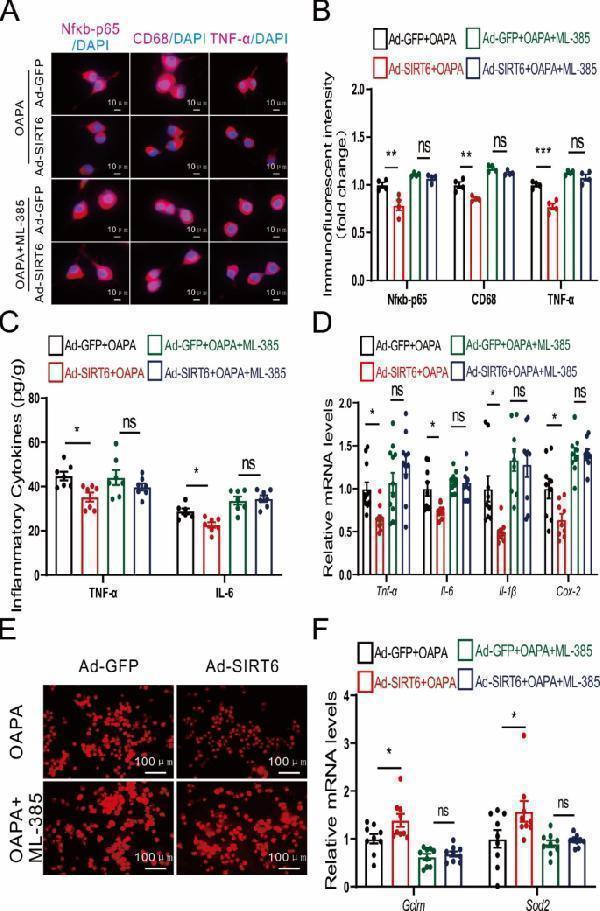
Anti-Macrosialin CD68 Antibody Picoband®, NRF2 antagonists counteract the ameliorating effects of Sirt6 on inflammation and oxidative stress. A Immunofluorescence images of Nfκb-p65, CD68, and...
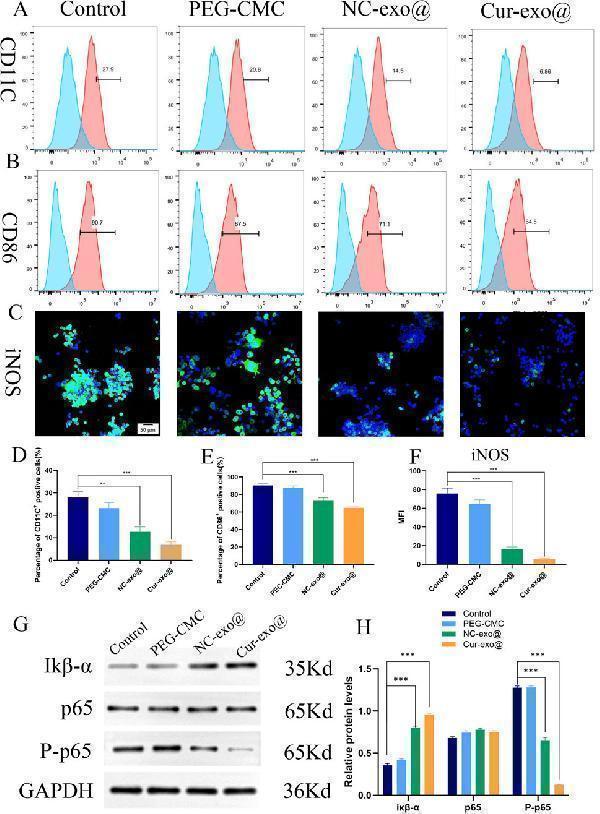
Anti-TNF alpha Antibody Picoband®, Immunomodulatory properties pathway of the hydrogel. (A, B) Flow cytometry analysis of the macrophage surface markers CD11C and CD86. (C) Representative ...
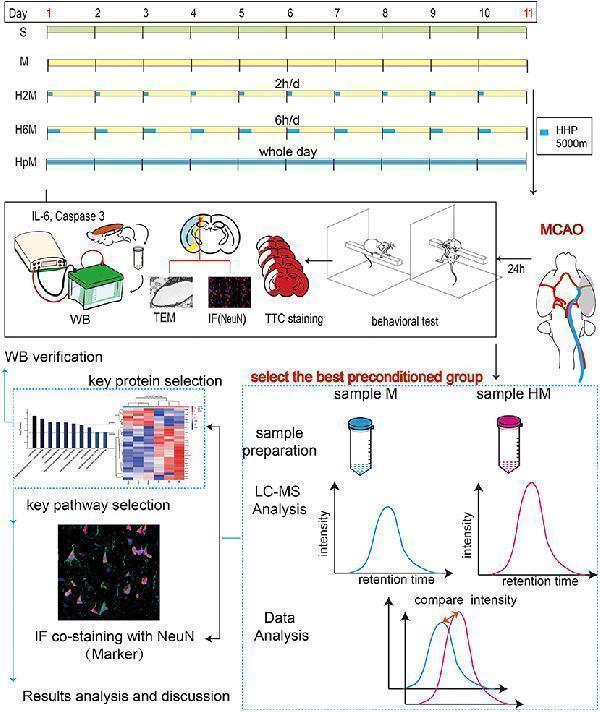
Anti-Interleukin-6 IL6 Antibody Picoband®, Experimental workflow. One hundred four rats were randomly divided into five groups: group S (sham, n = 20), group M (middle cerebral artery occlusion...
| Protein Name | Gene Name | Function |
|---|---|---|
| C-reactive protein | CRP | Indicates inflammation levels, often elevated in vasculitis. |
| Proteinase 3 | PRTN3 | Associated with anti-neutrophil cytoplasmic antibody-related vasculitis. |
| Myeloperoxidase | MPO | Involved with certain types of necrotizing vasculitis, often ANCA-associated. |
| Endothelin-1 | EDN1 | Vasoconstrictor peptide, involved in endothelial dysfunction in vasculitis. |
| Interleukin-6 | IL6 | Pro-inflammatory cytokine, elevated in many inflammatory conditions including vasculitis. |
| Tumor Necrosis Factor-alpha | TNF | Major inflammatory mediator, involved in systemic inflammation and tissue damage. |
| CD68 | CD68 | Marker of macrophage activation, involved in granulomatosis with polyangiitis. |
| Neutrophil gelatinase-associated lipocalin | LCN2 | Biomarker for acute kidney injury, can be elevated in vasculitis with renal involvement. |
| Matrix metallopeptidase 9 | MMP9 | Involved in tissue remodeling and inflammation, elevated in vasculitis. |
| B-cell activating factor | TNFSF13B | Plays a role in B cell survival and maturation, relevant in autoimmunity of vasculitis. |
| C3 complement component | C3 | Part of the immune system's complement pathway, involved in inflammation. |
| Fibrinogen | FGA | Acute phase reactant, coagulation factor, elevated in inflammation and tissue injury. |
| HLA-DPB1 | HLA-DPB1 | Human leukocyte antigen involved in immune response, associated with genetic susceptibility to vasculitis. |
| Angiotensin-converting enzyme | ACE | Involved in blood pressure regulation and inflammation, sometimes elevated in sarcoidosis-associated vasculitis. |
| Interleukin-1 beta | IL1B | Pro-inflammatory cytokine, plays a role in cellular inflammation processes in vasculitis. |
| Thrombomodulin | THBD | Expressed on endothelial cells, involved in thrombosis and inflammation, implicated in vasculitis pathology. |
Understanding the pathogenesis of autoimmunity in systemic vasculitis is crucial for grasping how these disorders develop and progress. This area focuses on identifying the mechanisms by which the immune system mistakenly targets and damages blood vessels. Theories suggest that genetic predispositions combined with environmental triggers (such as infections) initiate an autoimmune response. Key elements under investigation include the role of autoantibodies, such as antineutrophil cytoplasmic antibodies (ANCAs), which are prominently featured in conditions like granulomatosis with polyangiitis. This research also examines how T cells and B cells interact inappropriately, triggering inflammation and damage in the vascular wall. Insights gained have profound implications for developing targeted therapies that can modulate immune system activity without general immunosuppression.
This sub-area of research within systemic vasculitis aims to identify and validate biomarkers that can predict disease activity, prognosis, and response to therapy. Biomarkers are biological molecules found in blood, other body fluids, or tissues that indicate a biologic state or condition. By detecting specific biomarkers, clinicians can tailor treatment regimens more effectively, enhancing personalized medicine approaches. For instance, elevated levels of cytokines may indicate an ongoing inflammatory process. Research continues on discovering novel biomarkers and utilizing existing ones, like C-reactive protein (CRP), to refine diagnosis, assess disease severity, forecast flares, and monitor therapeutic responses. This tailored approach promises a more precise, patient-specific management strategy, potentially reducing side effects and improving outcomes in systemic vasculitis.