This website uses cookies to ensure you get the best experience on our website.


- Table of Contents
ELISA (Enzyme-Linked Immunosorbent Assay) remains one of the most widely used methods for protein quantification in immunology, oncology, neuroscience, biomarker discovery, and translational research. Researchers use ELISA to measure cytokines, chemokines, growth factors, hormones, signaling proteins, and disease biomarkers across a wide range of sample types.
However, choosing an ELISA kit is often more complicated than selecting the target protein alone.
Two ELISA kits for the same analyte may differ significantly in:
These differences can directly affect data quality, quantitative reliability, and experimental reproducibility.
This guide summarizes the key factors researchers should evaluate before selecting an ELISA kit...

Dilution ratio describes a simple dilution – a unit volume of solute (or sample) is combined with a desired unit volume of solvent (or diluent), to reach a desired total volume (Vsolute + Vsolvent = Total Vsolution)
Thus, a dilution ratio of 1:4 describes 1 part solute + 4 parts solvent = 5 parts total. The sum of both solute plus solvent equals total, f...


ELISA results can look “clean”—tight duplicates and a smooth standard curve—and still be misleading. In practice, the most common failure is not pipetting technique, but controls that do not isolate the specific failure mode (system background, non-specific binding, matrix interference, or out-of-range samples). If you want a broader setup framework before drilling into controls, Boster’s ELISA experimental design checklist is a useful companion read.
This post focuses on four controls that most reliably de-risk interpretation:
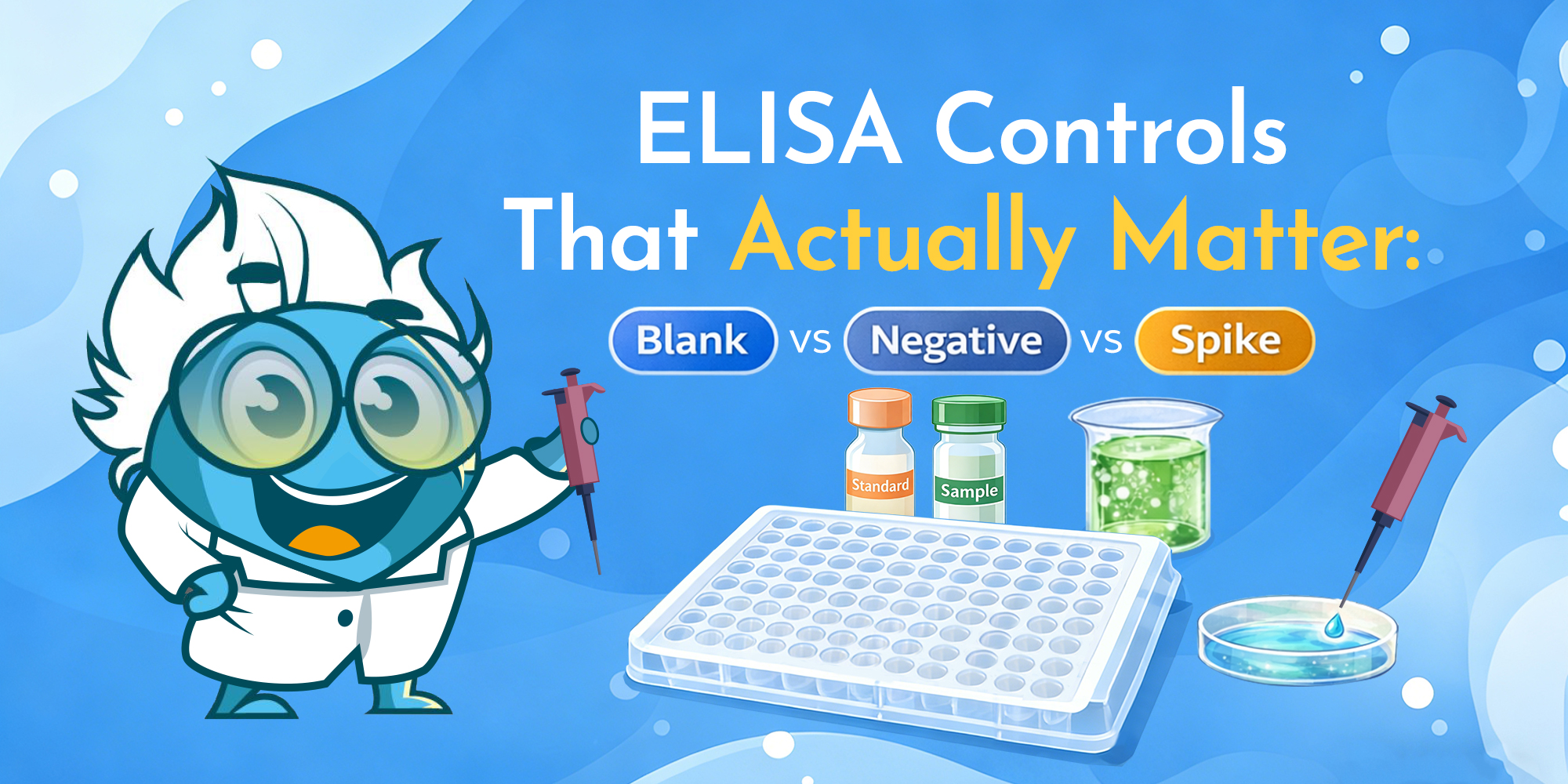
ELISA can be deceptively “clean.” The standard curve looks smooth, duplicates are close, and the plate reads without errors—yet the final concentrations don’t make biological sense, shift between runs, or fail to reproduce across days or operators.
In most cases, the issue isn’t pipetting skill. It’s experimental design: missing controls, standards that don’t match the sample range, dilution choices made without a quick pre-check, or plate reading/recording steps that ar
...
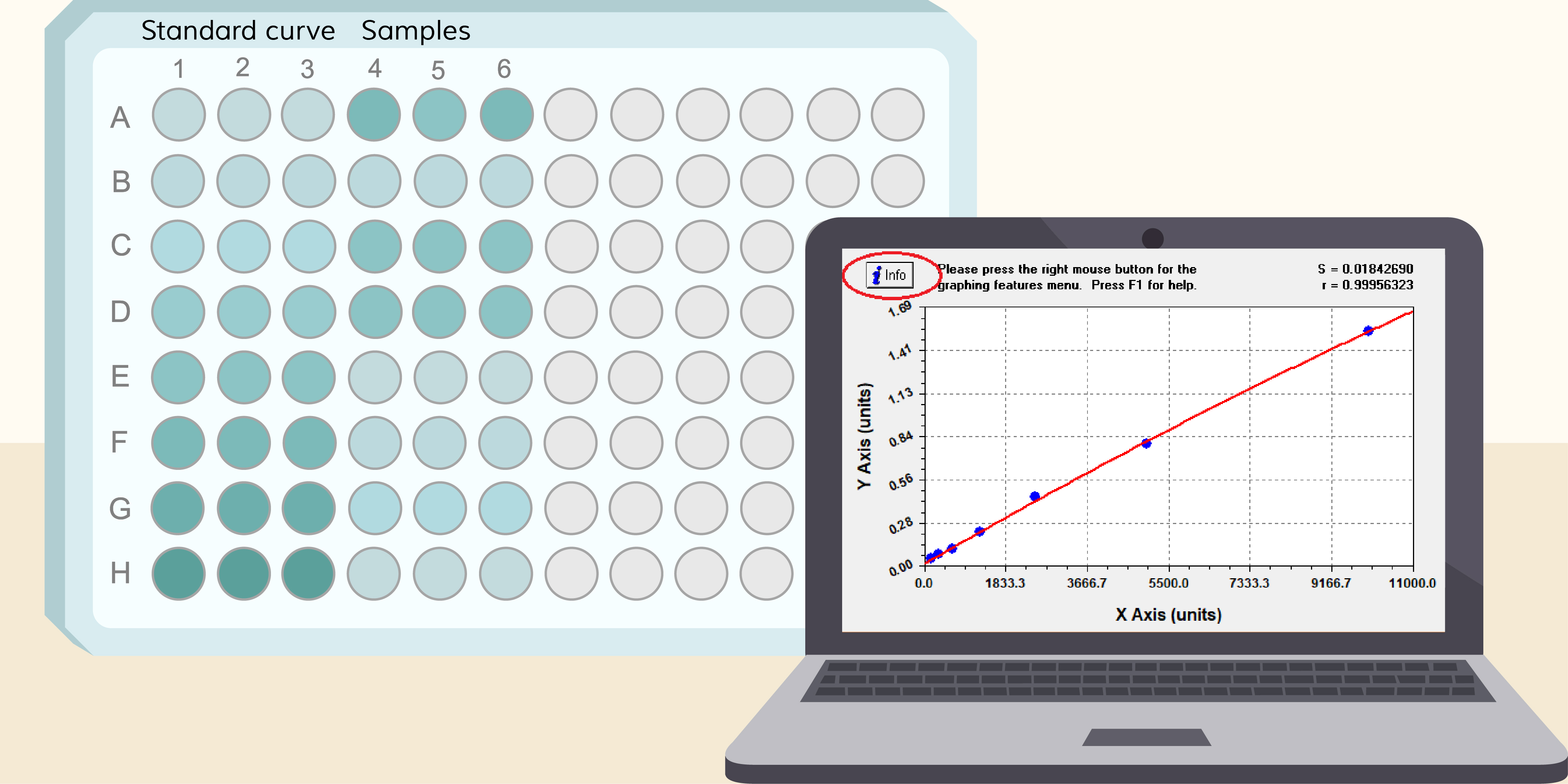



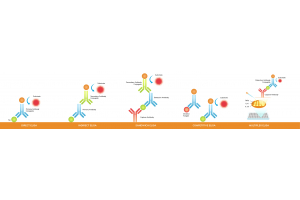
Enzyme-Linked Immunosorbent Assay (ELISA) is a versatile and widely used biochemical technique for detecting and quantifying specific molecules such as proteins, peptides, antibodies, and small molecules. These assays are commonly performed using standardized elisa kits, which help ensure consistency and reproducibility across experiments. Different types...