This website uses cookies to ensure you get the best experience on our website.


- Table of Contents
Antibodies do more than stick to germs. They block infection, label threats for cleanup, and spark immune system responses that keep the body safe.
The antibody action mechanism refers to the step-by-step process an antibody follows once it binds to a target antigen. The protein’s antibody structure enables each molecule to recognize a target with pinpoint precision and then trigger a robust immune response. Over the past several years, monoclonal antibodies have become a dominant format in therapeutic development, highlighting the importance of antibody engineering and antibody production in clinical applications. To understand why, we can examine four main mechanisms: neutralization, opsonization, complement-dependent cytotoxicity, and antibody-dependent cellular cytotoxicity (ADCC)
Binding of antibodies is only the first move. The antibody’s variable region grabs the antigen, while the Fc region faces outward—a process often studied using recombinant protein expression systems. That outward portion connects to immune receptors, starts signaling pathways, and guides the next steps. Signals can recruit other proteins, attract B cells or T cell populations, or alter the shape of the antibody itself. These downstream events decide whether the invader is blocked, swallowed, or destroyed. Such outcomes vary depending on the antibody class, the type of antigen, and the surrounding tissue environment. Understanding these mechanisms is also important in the design of in vitro diagnostic test kits, where antibody-antigen interactions directly influence assay sensitivity and specificity.
Antibodies protect the body through the following mechanisms that block, tag, or destroy harmful targets:
Neutralization acts like closing a door before a burglar walks in. An antibody covers the exact part of a virus, toxin, or bacterium that would usually latch onto a host receptor. Viruses use viral proteins to attach to and fuse with tumor cells or human tissues. Toxins require antigen-binding site access to enter. When the antibody masks these spots, entry fails. Animal studies demonstrate that potent neutralizing antibodies against influenza hemagglutinin can substantially lower infection rates. Neutralization also stops toxins, such as tetanus toxin, from disrupting nerve signaling. Vaccine designers aim to raise high levels of antibody-mediated neutralization because a single successful block can halt an infection at the doorstep.
Opsonization enables phagocytic cells to recognize and engulf a pathogen easily. After binding of antibodies to their target, the antibody’s constant region connects to Fc receptors on macrophages or neutrophils. The immune cell then engulfs and destroys the marked invader. This mechanism is vital against bacteria that hide from other immune attacks, and also contributes to clearance of cancer cells in certain cancer therapy studies.
Complement proteins circulate in an inactive state. When an antibody, mainly IgG or IgM, binds an antigen, the first complement factor (C1q) attaches to the antibody’s constant region. Attachment flips a molecular switch that splits C4 and C2, leading to the formation of C3 convertase. C3 convertase cuts many C3 molecules, depositing C3b on the pathogen surface. C3b acts as an extra opsonin and feeds the assembly of C5 convertase. The complement cascade culminates in a membrane attack complex that perforates the microbial membrane. Even if complete lysis does not occur, the presence of C3b speeds up phagocytosis. Complement activation bridges innate and adaptive immunity, thereby enhancing the reach and versatility of antibodies against foreign substances.
Antibody-dependent cellular cytotoxicity recruits natural killer cells for targeted killing. NK cells express FcγRIIIa, also known as CD16. When CD16 binds the constant region of an antibody attached to a virus-infected cell or malignant cell, the NK cell releases perforin. Perforin forms pores in the target cell membrane. Granzymes pass through the pores and activate apoptosis pathways. The dying cell shrinks, fragments, and is removed by phagocytes. Therapeutic custom monoclonal antibodies, including engineered antibody–drug conjugates (ADC drug), for cancers such as B-cell lymphoma, rely on ADCC. Engineers can modify the constant region’s glycosylation pattern to improve CD16 binding, boosting cytotoxic efficiency without altering antigen specificity. Newer platforms even create bispecific antibodies and T cell engager formats to extend ADCC-like functions against resistant disease.
Different antibody classes handle different jobs best. Learn more about the types of antibody structure and how they determine function.
| Mechanism | Main Antibody Classes | Activity Note |
|---|---|---|
| Neutralization | IgG, IgA | IgA guards mucosal surfaces, IgG works in blood. |
| Opsonization | IgG1, IgG3 | Strong Fc binding speeds up phagocytosis. |
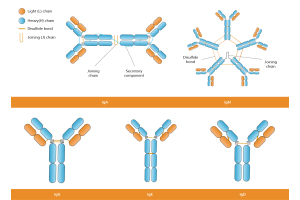
| Complement start | IgM, IgG1, IgG3 | IgM’s five-unit structure makes it a powerful starter. |
| ADCC | IgG1, IgG3 | High affinity for NK receptors promotes cytotoxicity. |
Class choice affects half-life, tissue distribution, and the strength of the effector. For instance, switching from IgG1 to IgG4 reduces complement activity, which is beneficial in autoimmune diseases such as rheumatoid arthritis and inflammatory diseases, where excessive inflammation is detrimental. Some non-neutralizing antibodies may still help clear infected cells, assist in forming immune complexes for elimination, or support immune tolerance in organ transplantation.
Understanding each mechanism shapes progress in three areas, including techniques like flow cytometry optimization for immune response analysis.
A better understanding of cell responses and effector functions enables the precise matching of antibody format to the clinical goal, thereby improving both safety and efficacy across fields from cardiovascular disease to respiratory disease.
Antibodies turn molecular recognition into decisive immune responses. Neutralization blocks entry. Opsonization flags invaders. Complement activation opens lethal pores. ADCC drafts cytotoxic cells. Together, these modes of action explain how a single protein can guide the immune system with such precision and accuracy.
Ready to explore antibody solutions for your research?
Send us an inquiry to discuss tailored support, collaborative opportunities, or how our team can help advance your next project. We look forward to advancing innovative research with you.