This website uses cookies to ensure you get the best experience on our website.


- Table of Contents
How the Immune System Builds Its Defense
Antibody diversity allows the immune system to generate millions of unique antibodies, many of which can be developed through specialized antibody discovery and antibody generation services, each capable of targeting specific pathogens.
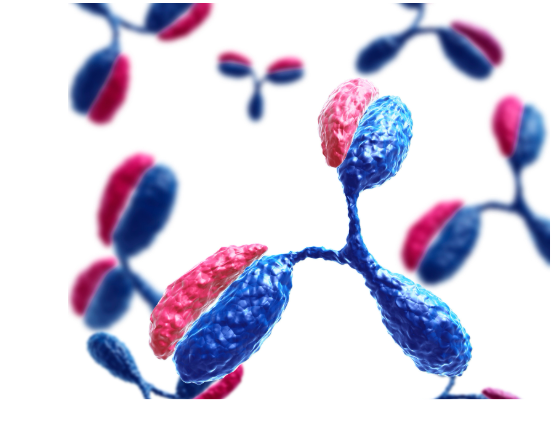
The human adaptive immune system can produce over 10 billion different antibodies, a diversity that supports applications like recombinant antibody production service for research and therapeutic antibodies. This extraordinary ability, which underpins the development of custom monoclonal antibodies for precise targeting, results from DNA rearrangement, gene segments, and multiple mutation mechanisms known collectively as the antibody diversity process. Without this diversity, the immune system would struggle to identify and neutralize the wide range of bacteria, viruses, malaria parasites and other harmful invaders encountered daily. The immune system’s strength lies in its variety, enabling it to adapt, remember, and respond quickly to evolving threats.
Antibody diversity refers to the immune system’s capability to create a vast collection of antibody sequences, each with a unique antigen-binding site and types of antibody structure that support broad immune defense. This diversity equips the body to defend against a nearly endless variety of pathogens. By producing antibody sequences with distinct structures, the immune system maximizes its chances of identifying and eliminating harmful substances.
The immune system relies on several mechanisms to achieve antibody diversity. These processes ensure that each antibody produced can potentially recognize a unique target.
Genetic recombination is one of the key drivers of antibody diversity. In developing B cells, immunoglobulin heavy chain and immunoglobin light chains gene segments—specifically V regions (Variable gene), Diversity (D gene segment), and Joining (J gene segment/J gene) regions—are randomly rearranged to create the genetic code for the antibody’s binding site. These somatic rearrangement and recombination events at the switch region produce immense sequence diversity.
This process occurs at both the immunoglobulin heavy and light chains, leading to large antibody repertoires and forming the immunoglobulin repertoire. These steps are central to B-cell development and establish the foundation for the B cell receptor repertoire.
Somatic recombinations and somatic hypermutation add another layer of variety. After an antibody binds to an antigen, B cells introduce point mutations in the V region and CDR regions of their antibody genes. These complementarity determining regions are critical for fine-tuning specificity, allowing the immune system to generate high-affinity antibodies.
Class Switch Recombination enables B cells to produce antibodies of different antibody isotypes, such as switching from IgM to IgG, while retaining the same antigen specificity. This switch occurs at the switch region and is guided by AID. Class switching allows the immune system to adapt to different pathogens and immune stages, optimizing its defensive strategies.
Through Clonal Expansion, the immune system selects B cells capable of producing antibodies that bind effectively to an antigen. This process ensures rapid amplification of the correct antibody clones to mount an efficient antibody response.
Antibody diversity is essential for an effective immune system capable of broad and adaptive responses.
With a diverse antibody library, the immune system can respond to both common and rare pathogens, including fast-mutating viruses and malaria parasites. This broad recognition reduces the likelihood that a harmful invader will go undetected.
The immune system remembers previous encounters with pathogens. When the same pathogen appears again, memory B cells quickly trigger antibody sequencing to recreate effective antibodies, often stopping the infection before symptoms develop. This memory explains the effectiveness of vaccines and the immune system’s ability to prevent reinfection.
Some pathogens can mutate their surface proteins to escape detection. Antibody diversity mechanisms limit their ability to consistently evade the immune system by producing a wide range of antibodies targeting multiple antigens.
Understanding antibody diversity has shaped modern approaches to disease prevention, treatment, and diagnostics.
Vaccines rely on the body’s ability to generate diverse antibodies. By introducing a harmless part of a pathogen, vaccines encourage the immune system to create a strong and lasting antibody response.
Both recombinant monoclonal antibodies and recombinant polyclonal antibodies are selected from the naturally diverse antibody pool and are widely used in diagnostics and treatments. These antibodies can target specific diseases and are widely used in treatments and diagnostics. Antibody-based diagnostics also benefit from tools like Western blot, Next Generation Protein Sequencing, and Proteomic Sequencing to validate antibody specificity.
An uncontrolled or misdirected antibody response may lead to autoimmune diseases or B cell lymphoma. Research on immunoglobulin μ and heavy-chain antibody abnormalities continues to shed light on disease mechanisms.
Tools like Next-generation sequencing, antibody sequencing, and analysis of the human genome reveal how somatic rearrangement and DNA rearrangement shape the immunoglobulin repertoire. These studies show the remarkable capacity of the immune system to adapt, producing diverse antibody clones and high-affinity antibodies that support the development of therapeutic antibodies and modern antibody engineering.
Deepening your understanding of antibody science can open the door to exciting new discoveries. Contact us today to learn more about antibody diversity research, collaborative opportunities, and tailored support for advancing your studies.