This website uses cookies to ensure you get the best experience on our website.


- Table of Contents
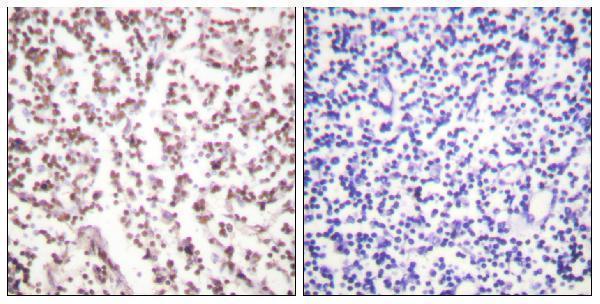
Designing an IHC experiment for Bloom syndrome protein? The guide has the expected staining pattern, antigen retrieval and fixation, antibodies backed by real IHC images, the tissue controls to run alongside, and protocols taken from published papers.
Open the BLM IHC Guide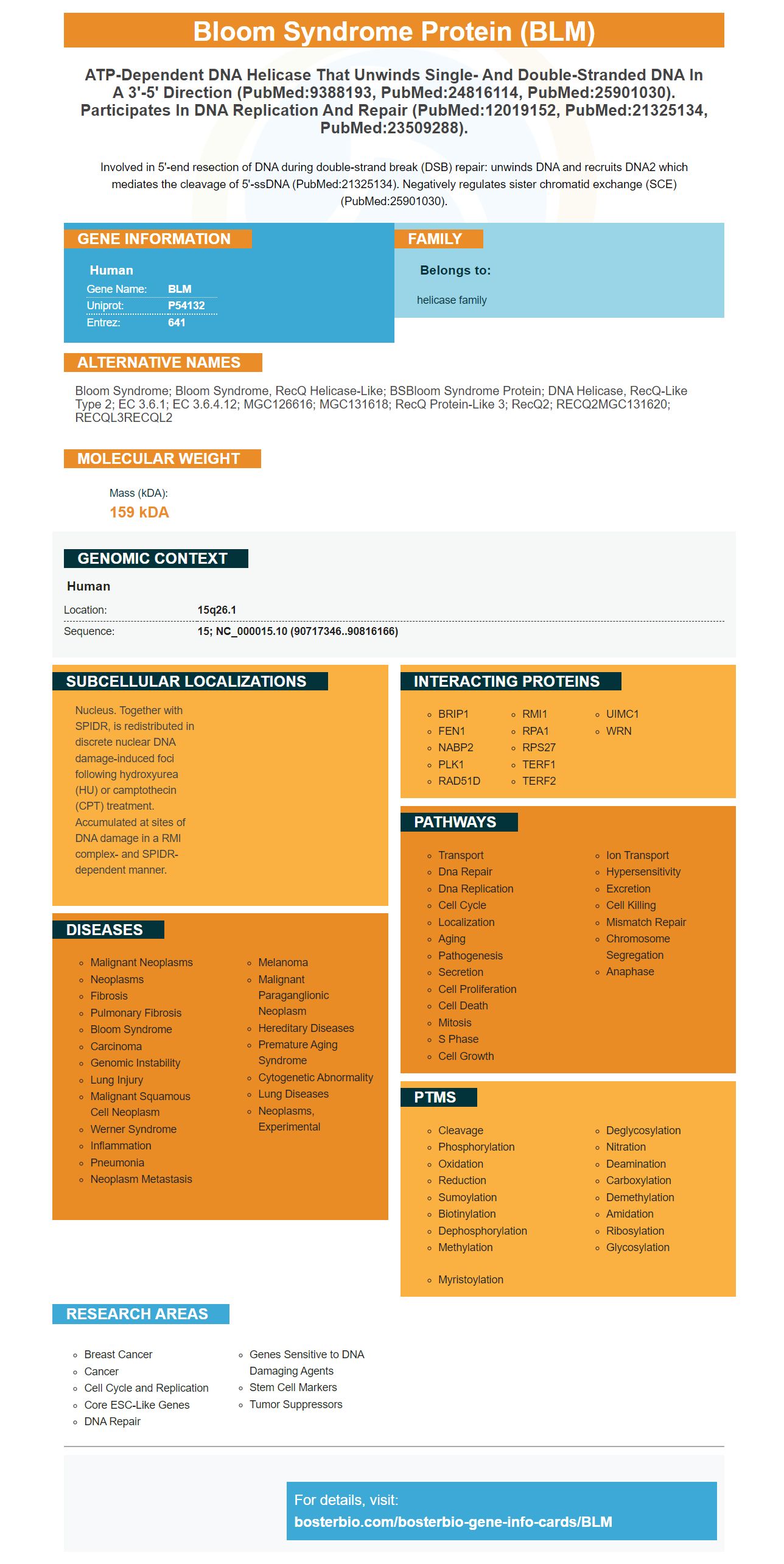
1 Citations
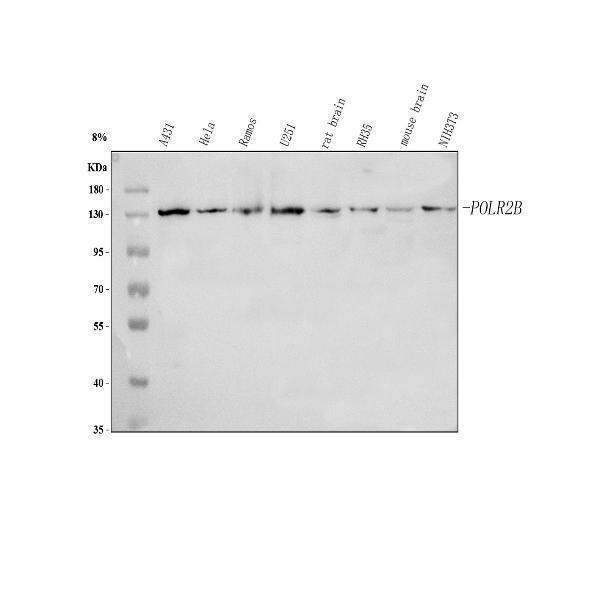
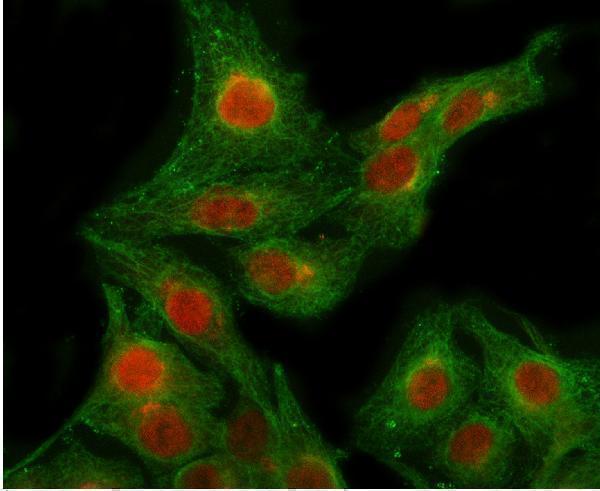
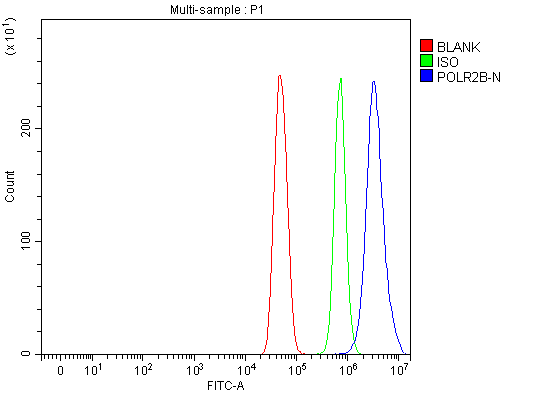
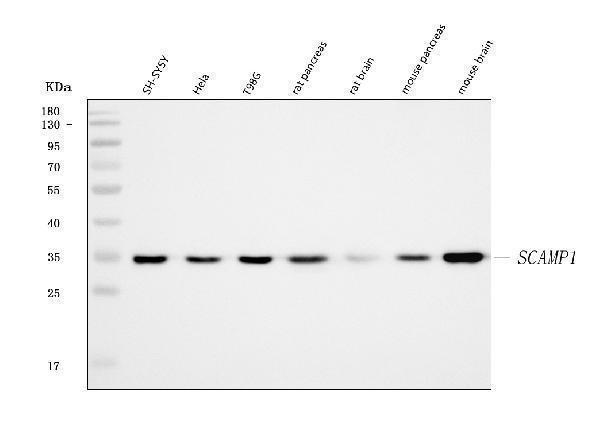
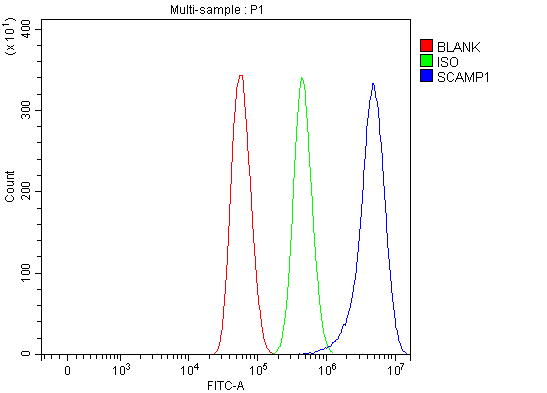
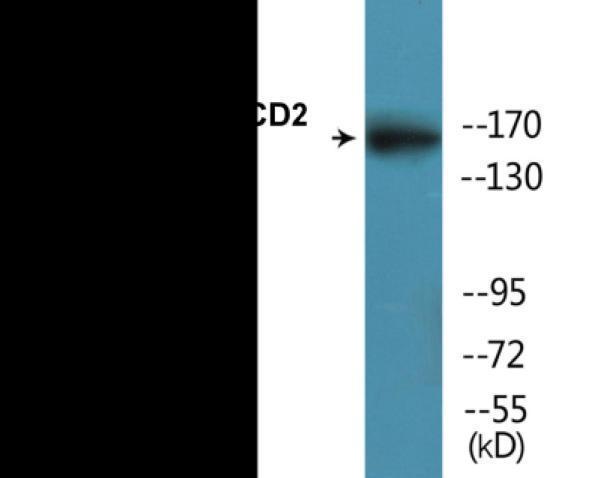
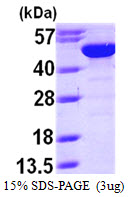
Facts about Bloom syndrome protein.
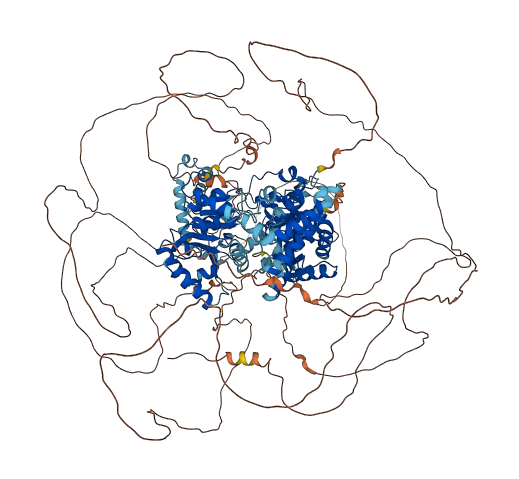
Involved in 5'-end resection of DNA during double-strand break (DSB) repair: unwinds DNA and recruits DNA2 which mediates the cleavage of 5'-ssDNA (PubMed:21325134). Negatively regulates sister chromatid exchange (SCE) (PubMed:25901030).
| Human | |
|---|---|
| Gene Name: | BLM |
| Uniprot: | P54132 |
| Entrez: | 641 |

| Belongs to: |
|---|
| helicase family |

Bloom syndrome; Bloom syndrome, RecQ helicase-like; BSBloom syndrome protein; DNA helicase, RecQ-like type 2; EC 3.6.1; EC 3.6.4.12; MGC126616; MGC131618; RecQ protein-like 3; RecQ2; RECQ2MGC131620; RECQL3RECQL2
Mass (kDA):
159 kDA

| Human | |
|---|---|
| Location: | 15q26.1 |
| Sequence: | 15; NC_000015.10 (90717346..90816166) |
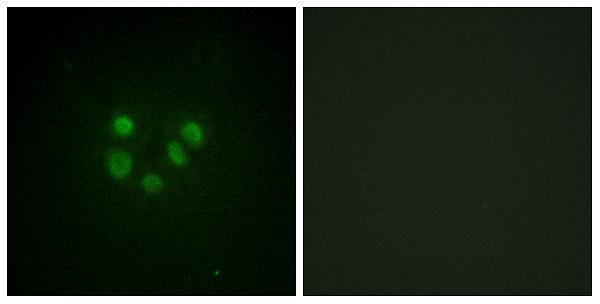
Nucleus. Together with SPIDR, is redistributed in discrete nuclear DNA damage-induced foci following hydroxyurea (HU) or camptothecin (CPT) treatment. Accumulated at sites of DNA damage in a RMI complex- and SPIDR-dependent manner.




PMID: 7585968 by Ellis N.A., et al. The Bloom's syndrome gene product is homologous to RecQ helicases.
PMID: 9388193 by Karow J.K., et al. The Bloom's syndrome gene product is a 3'-5' DNA helicase.
*More publications can be found for each product on its corresponding product page