This website uses cookies to ensure you get the best experience on our website.


- Table of Contents
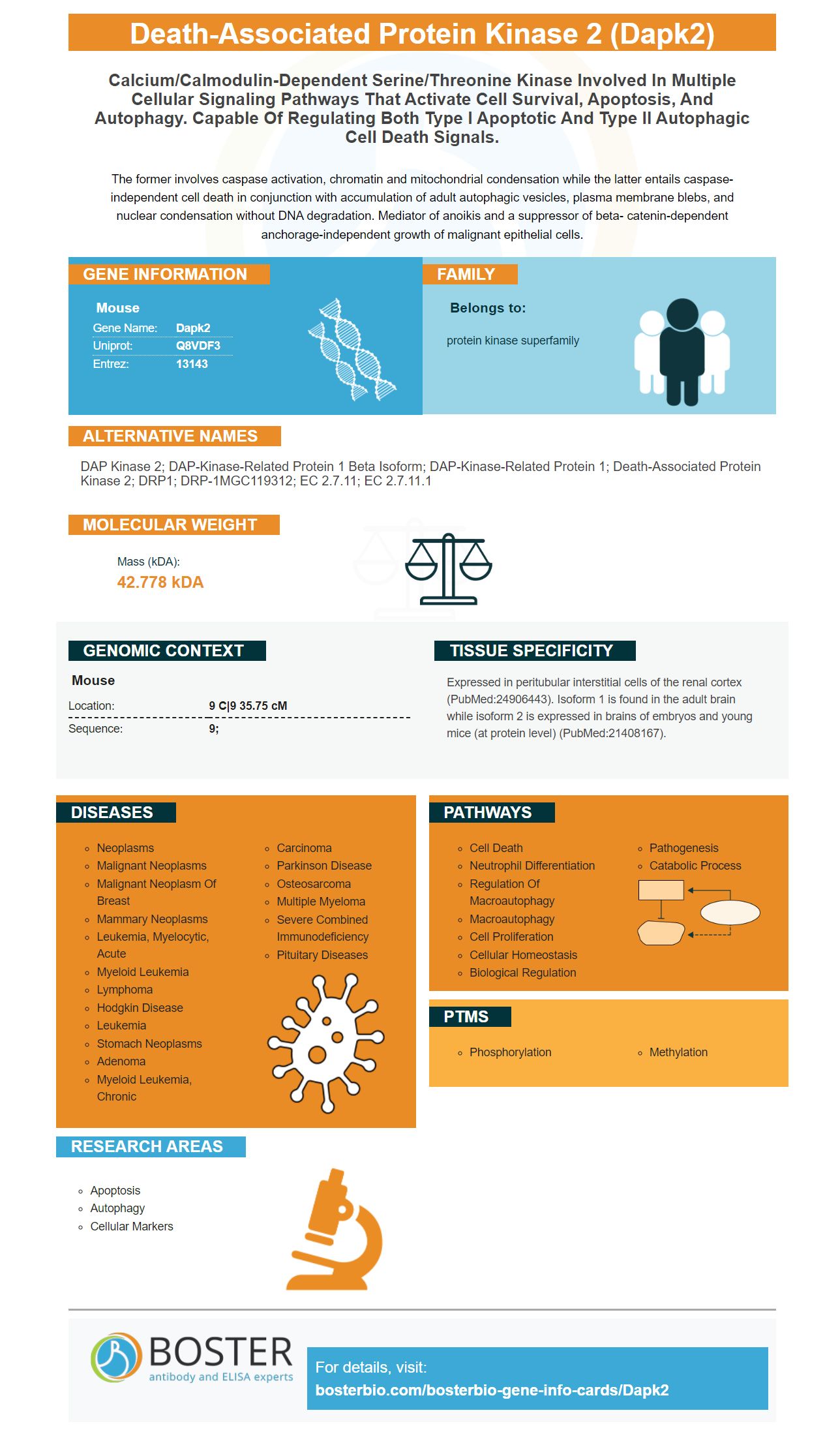
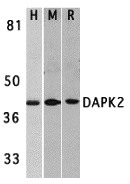
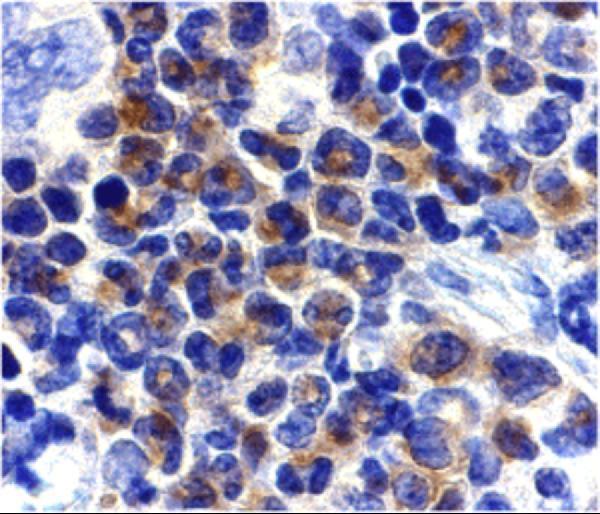
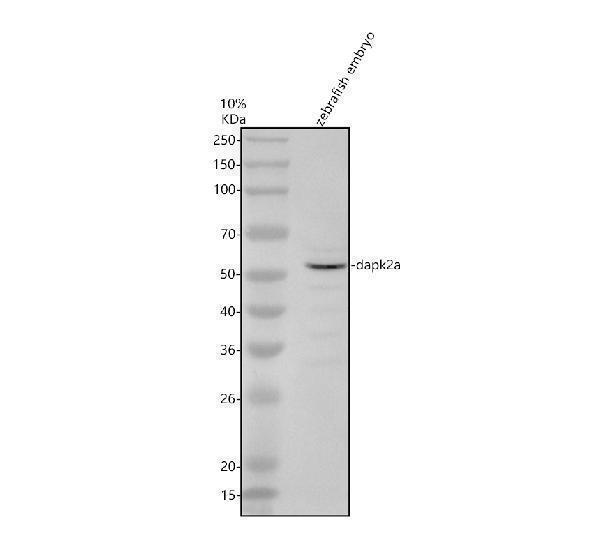
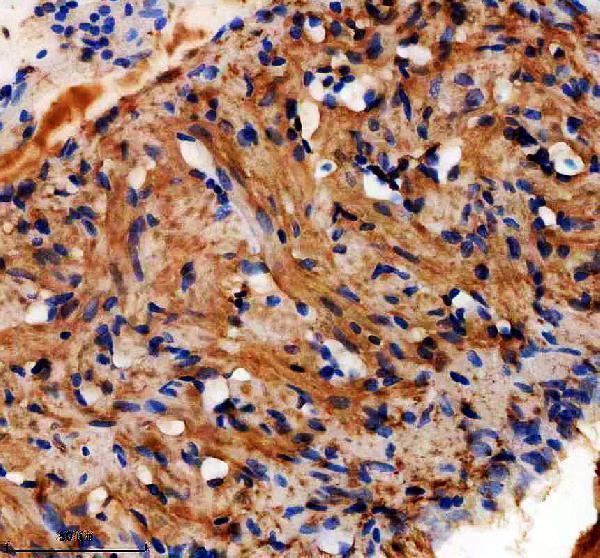
Facts about Death-associated protein kinase 2.
The former involves caspase activation, chromatin and mitochondrial condensation while the latter entails caspase-independent cell death in conjunction with accumulation of adult autophagic vesicles, plasma membrane blebs, and nuclear condensation without DNA degradation. Mediator of anoikis and a suppressor of beta- catenin-dependent anchorage-independent growth of malignant epithelial cells.
| Mouse | |
|---|---|
| Gene Name: | Dapk2 |
| Uniprot: | Q8VDF3 |
| Entrez: | 13143 |
| Belongs to: |
|---|
| protein kinase superfamily |

DAP kinase 2; DAP-kinase-related protein 1 beta isoform; DAP-kinase-related protein 1; death-associated protein kinase 2; DRP1; DRP-1MGC119312; EC 2.7.11; EC 2.7.11.1
Mass (kDA):
42.778 kDA

| Mouse | |
|---|---|
| Location: | 9 C|9 35.75 cM |
| Sequence: | 9; |
Expressed in peritubular interstitial cells of the renal cortex (PubMed:24906443). Isoform 1 is found in the adult brain while isoform 2 is expressed in brains of embryos and young mice (at protein level) (PubMed:21408167).



PMID: 10376525 by Kawai T., et al. Death-associated protein kinase 2 is a new calcium/calmodulin- dependent protein kinase that signals apoptosis through its catalytic activity.
PMID: 10629061 by Inbal B., et al. Death-associated protein kinase-related protein 1, a novel serine/threonine kinase involved in apoptosis.