This website uses cookies to ensure you get the best experience on our website.


- Table of Contents

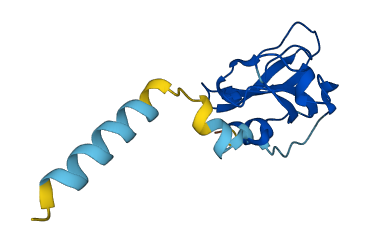
Facts about Eppin.
.
| Human | |
|---|---|
| Gene Name: | EPPIN |
| Uniprot: | O95925 |
| Entrez: | 57119 |
| Belongs to: |
|---|
| No superfamily |

Eppin
Mass (kDA):
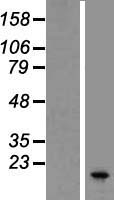
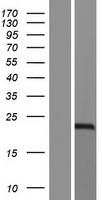
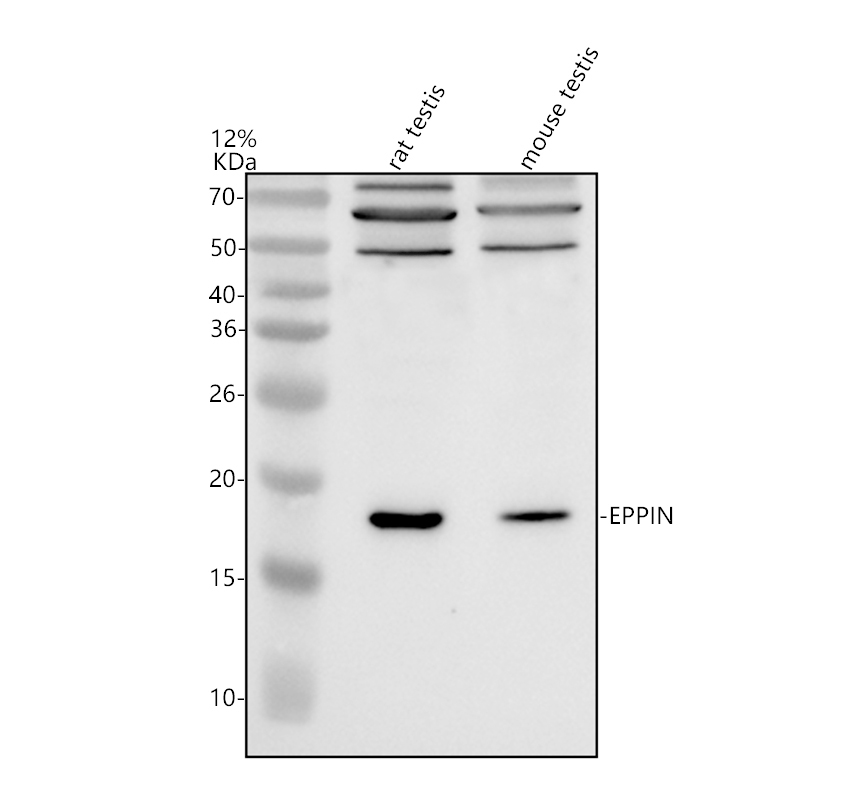
15.284 kDA

| Human | |
|---|---|
| Location: | 20q13.12 |
| Sequence: | 20; NC_000020.11 (45540626..45547401, complement) |
In testis, expressed and secreted by Sertoli cells, appearing on the surface of testicular and ejaculate spermatozoa. Expressed in the spermatogonia and the earliest preleptotene spermatocytes. In the epididymis, is expressed and secreted by epithelial cells and covers the surface of epididymal spermatozoa and ciliated epithelial cells (at protein level). Expressed specifically in epididymis and testis. Isoform 2 is expressed only in the epididymis. Weak expression is detected in myoid cells as well as spermatogenic cells.
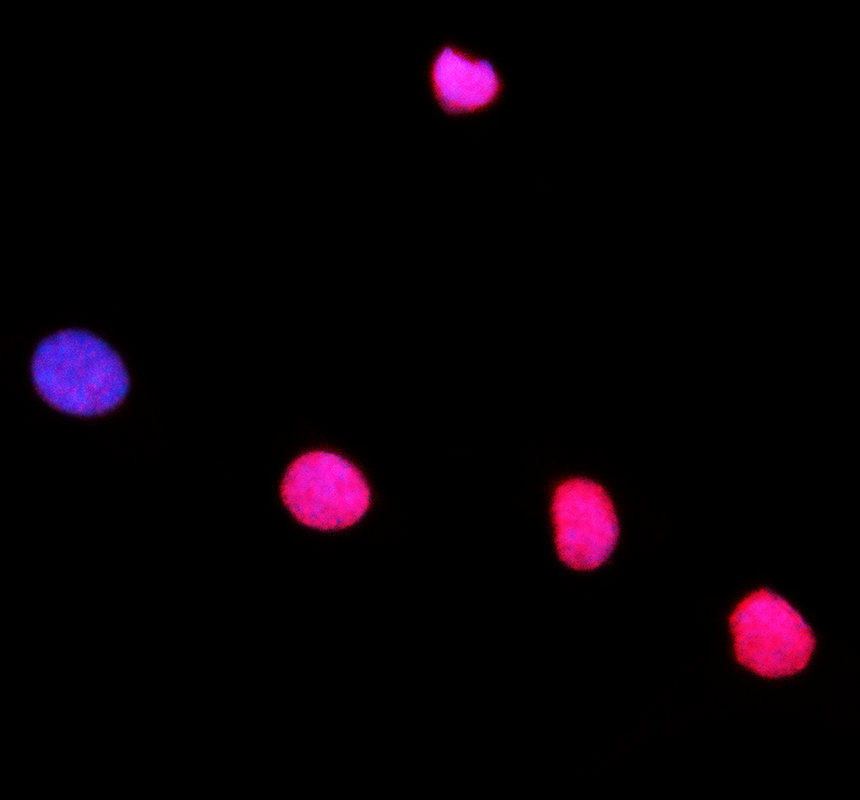
[Isoform 1]: Secreted. Cell surface. Bound to the surface of testicular and on the head and tail of ejaculate spermatozoa.


PMID: 11404006 by Richardson R.T., et al. Cloning and sequencing of human eppin: a novel family of protease inhibitors expressed in the epididymis and testis.
PMID: 15229136 by Yenugu S., et al. Antimicrobial activity of human EPPIN, an androgen-regulated, sperm- bound protein with a whey acidic protein motif.