This website uses cookies to ensure you get the best experience on our website.


- Table of Contents
Facts about Folliculin-interacting protein 1.
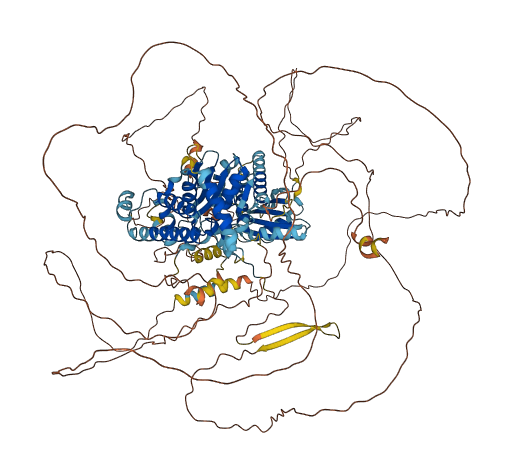
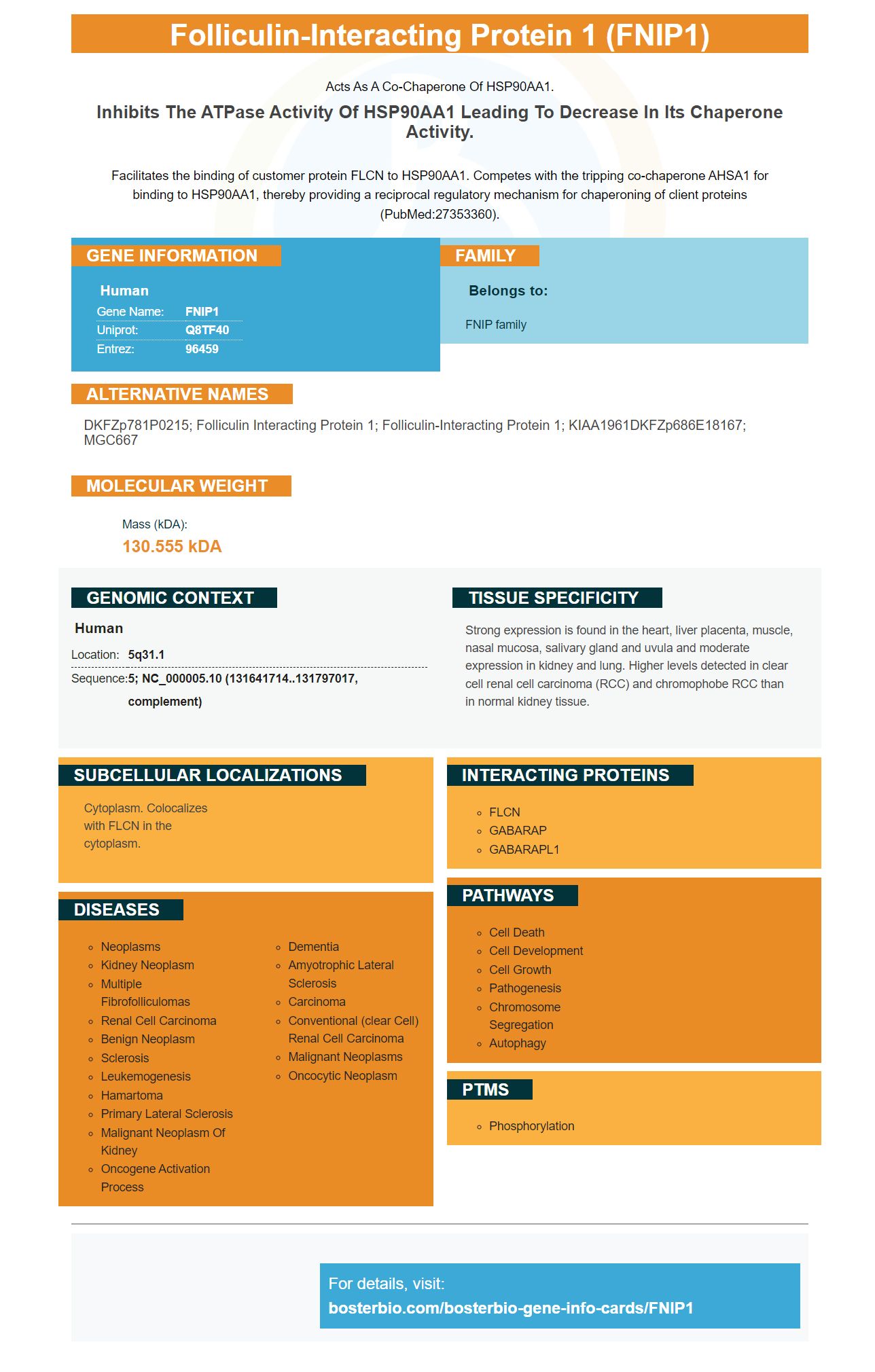
Acts as a co-chaperone of HSP90AA1.
Inhibits the ATPase activity of HSP90AA1 leading to decrease in its chaperone activity.Facilitates the binding of customer protein FLCN to HSP90AA1. Competes with the tripping co-chaperone AHSA1 for binding to HSP90AA1, thereby providing a reciprocal regulatory mechanism for chaperoning of client proteins (PubMed:27353360).
| Human | |
|---|---|
| Gene Name: | FNIP1 |
| Uniprot: | Q8TF40 |
| Entrez: | 96459 |
| Belongs to: |
|---|
| FNIP family |

DKFZp781P0215; folliculin interacting protein 1; folliculin-interacting protein 1; KIAA1961DKFZp686E18167; MGC667
Mass (kDA):
130.555 kDA

| Human | |
|---|---|
| Location: | 5q31.1 |
| Sequence: | 5; NC_000005.10 (131641714..131797017, complement) |
Strong expression is found in the heart, liver placenta, muscle, nasal mucosa, salivary gland and uvula and moderate expression in kidney and lung. Higher levels detected in clear cell renal cell carcinoma (RCC) and chromophobe RCC than in normal kidney tissue.
Cytoplasm. Colocalizes with FLCN in the cytoplasm.



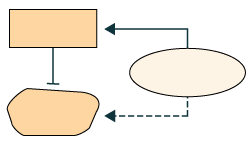

PMID: 17028174 by Baba M., et al. Folliculin encoded by the BHD gene interacts with a binding protein, FNIP1, and AMPK, and is involved in AMPK and mTOR signaling.
PMID: 18403135 by Hasumi H., et al. Identification and characterization of a novel folliculin-interacting protein FNIP2.