This website uses cookies to ensure you get the best experience on our website.


- Table of Contents
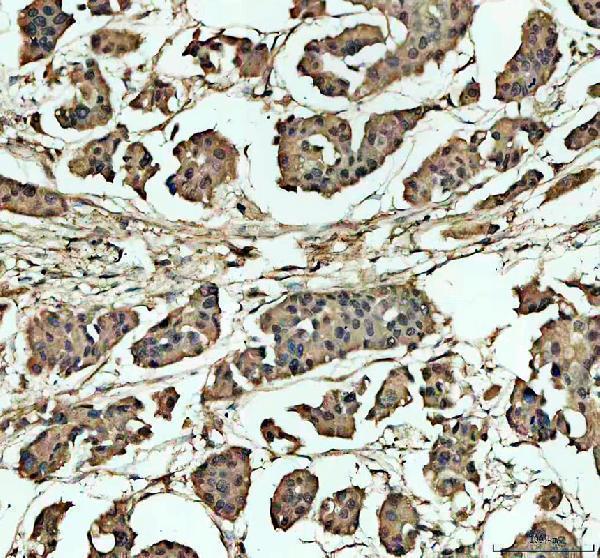
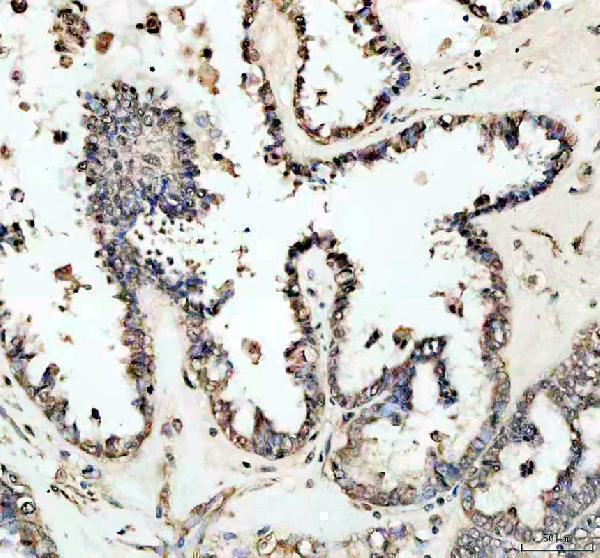
Designing an IHC experiment for NCOR2? The guide has the expected staining pattern, antigen retrieval and fixation, antibodies backed by real IHC images, the tissue controls to run alongside, and protocols taken from published papers.
Open the NCOR2 IHC Guide
Facts about Nuclear receptor corepressor 2.
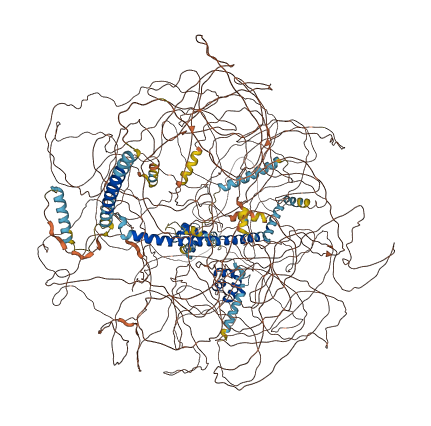
Isoform 1 and isoform 4 have different affinities for different nuclear receptors. Involved in the regulation BCL6-dependent of the germinal centre (GC) reactions, mainly through the control of the GC B-cells proliferation and survival.
| Human | |
|---|---|
| Gene Name: | NCOR2 |
| Uniprot: | Q9Y618 |
| Entrez: | 9612 |

| Belongs to: |
|---|
| N-CoR nuclear receptor corepressors family |

CTG repeat protein 26; CTG26; CTG26nuclear receptor co-repressor 2; FLJ25011; NCOR2; N-CoR2; nuclear receptor corepressor 2; retinoic-acid-receptor-associated corepressor; silencing mediator for retinoid and thyroid hormone receptors; SMAP270; SMRT; SMRTE; SMRTE-tau; SMRTT3 receptor-associating factor; TNRC14; TRAC; TRAC1; TRAC-1
Mass (kDA):
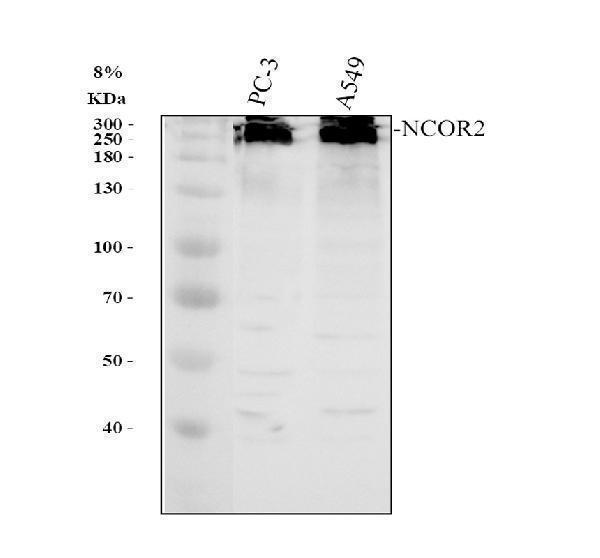
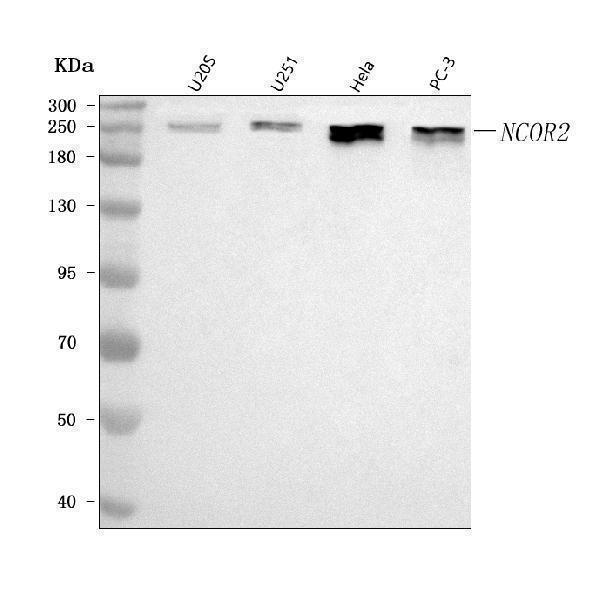
273.657 kDA

| Human | |
|---|---|
| Location: | 12q24.31 |
| Sequence: | 12; NC_000012.12 (124324415..124567612, complement) |
Ubiquitous. High levels of expression are detected in lung, spleen and brain.
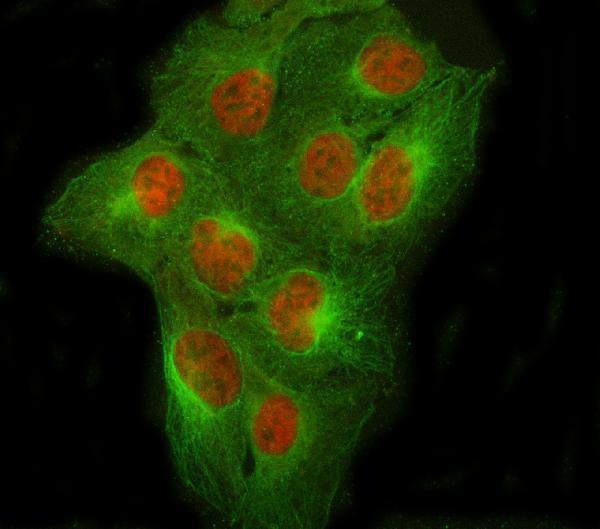
Nucleus.






PMID: 8813722 by Sande S., et al. Identification of TRACs (T3 receptor-associating cofactors), a family of cofactors that associate with, and modulate the activity of, nuclear hormone receptors.
PMID: 10077563 by Ordentlich P., et al. Unique forms of human and mouse nuclear receptor corepressor SMRT.