This website uses cookies to ensure you get the best experience on our website.


- Table of Contents
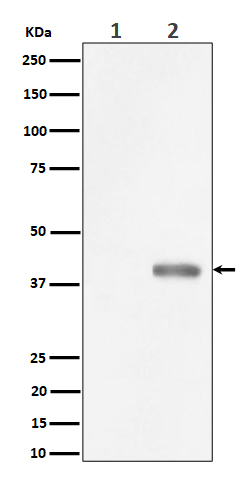
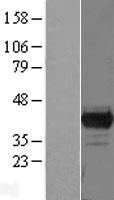
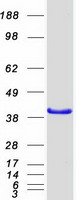
Designing a Western blot for Pbk? The guide has the expected band size, antibodies backed by real blot images, the controls to run alongside, and protocols taken from published papers.
Open the PBK Western Blot Guide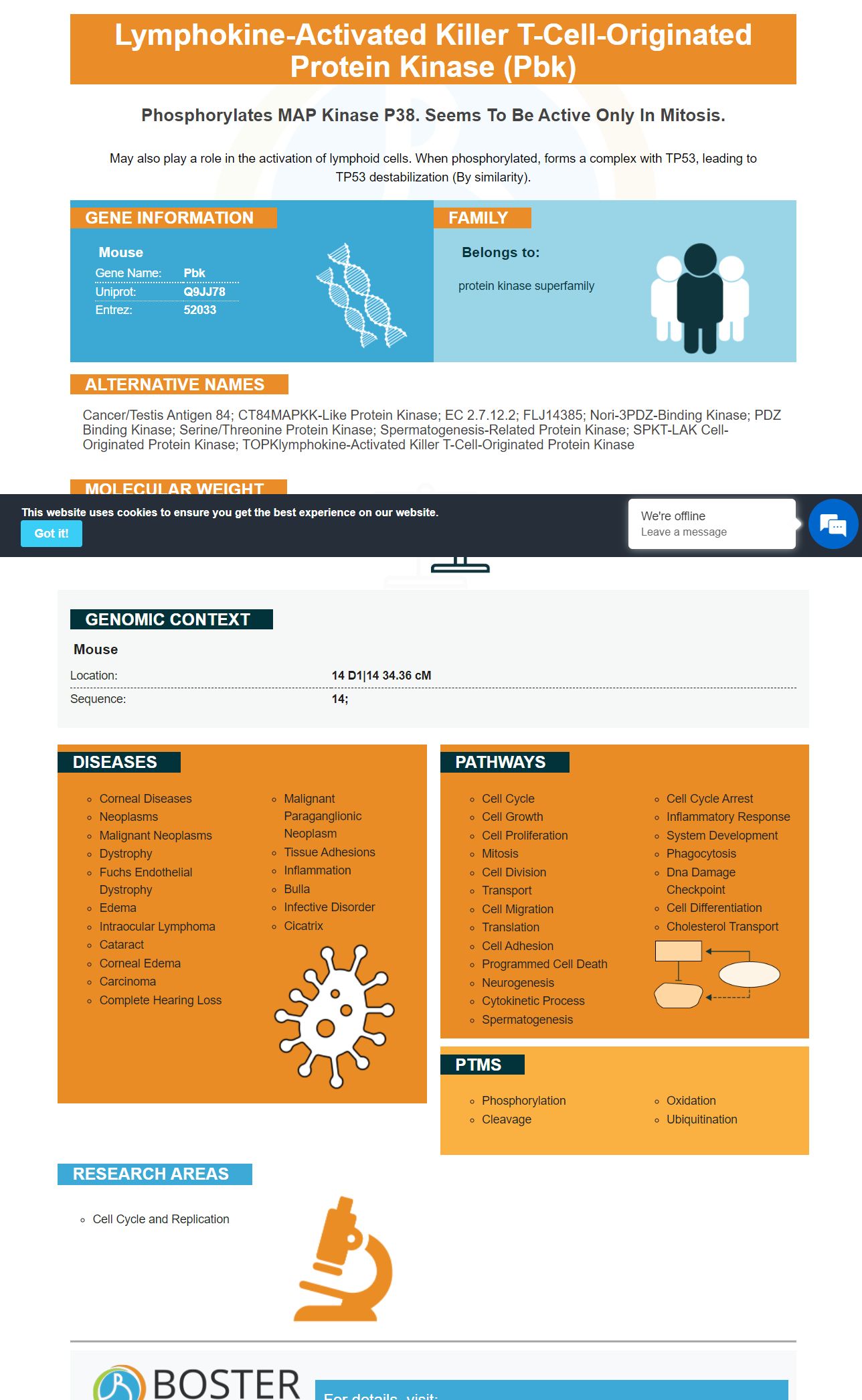
2 Citations


Facts about Lymphokine-activated killer T-cell-originated protein kinase.
May also play a role in the activation of lymphoid cells. When phosphorylated, forms a complex with TP53, leading to TP53 destabilization (By similarity).
| Mouse | |
|---|---|
| Gene Name: | Pbk |
| Uniprot: | Q9JJ78 |
| Entrez: | 52033 |

| Belongs to: |
|---|
| protein kinase superfamily |

Cancer/testis antigen 84; CT84MAPKK-like protein kinase; EC 2.7.12.2; FLJ14385; Nori-3PDZ-binding kinase; PDZ binding kinase; serine/threonine protein kinase; Spermatogenesis-related protein kinase; SPKT-LAK cell-originated protein kinase; TOPKlymphokine-activated killer T-cell-originated protein kinase
Mass (kDA):
36.745 kDA

| Mouse | |
|---|---|
| Location: | 14 D1|14 34.36 cM |
| Sequence: | 14; |



PMID: 10781613 by Abe Y., et al. Cloning and expression of a novel MAPKK-like protein kinase, lymphokine-activated killer T-cell-originated protein kinase, specifically expressed in the testis and activated lymphoid cells.