This website uses cookies to ensure you get the best experience on our website.


- Table of Contents
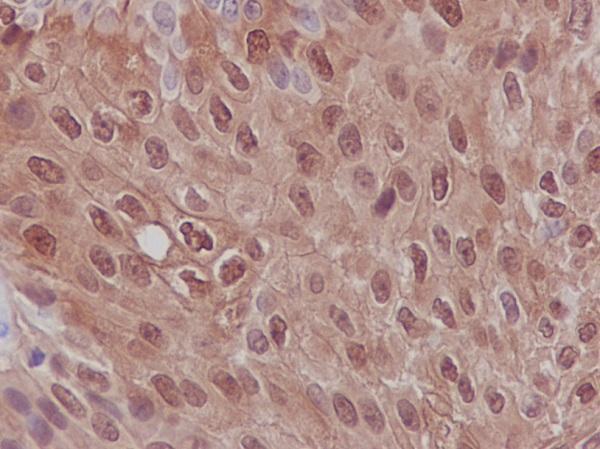
Designing an IHC experiment for Protein S100-P? The guide has the expected staining pattern, antigen retrieval and fixation, antibodies backed by real IHC images, the tissue controls to run alongside, and protocols taken from published papers.
Open the S100P IHC Guide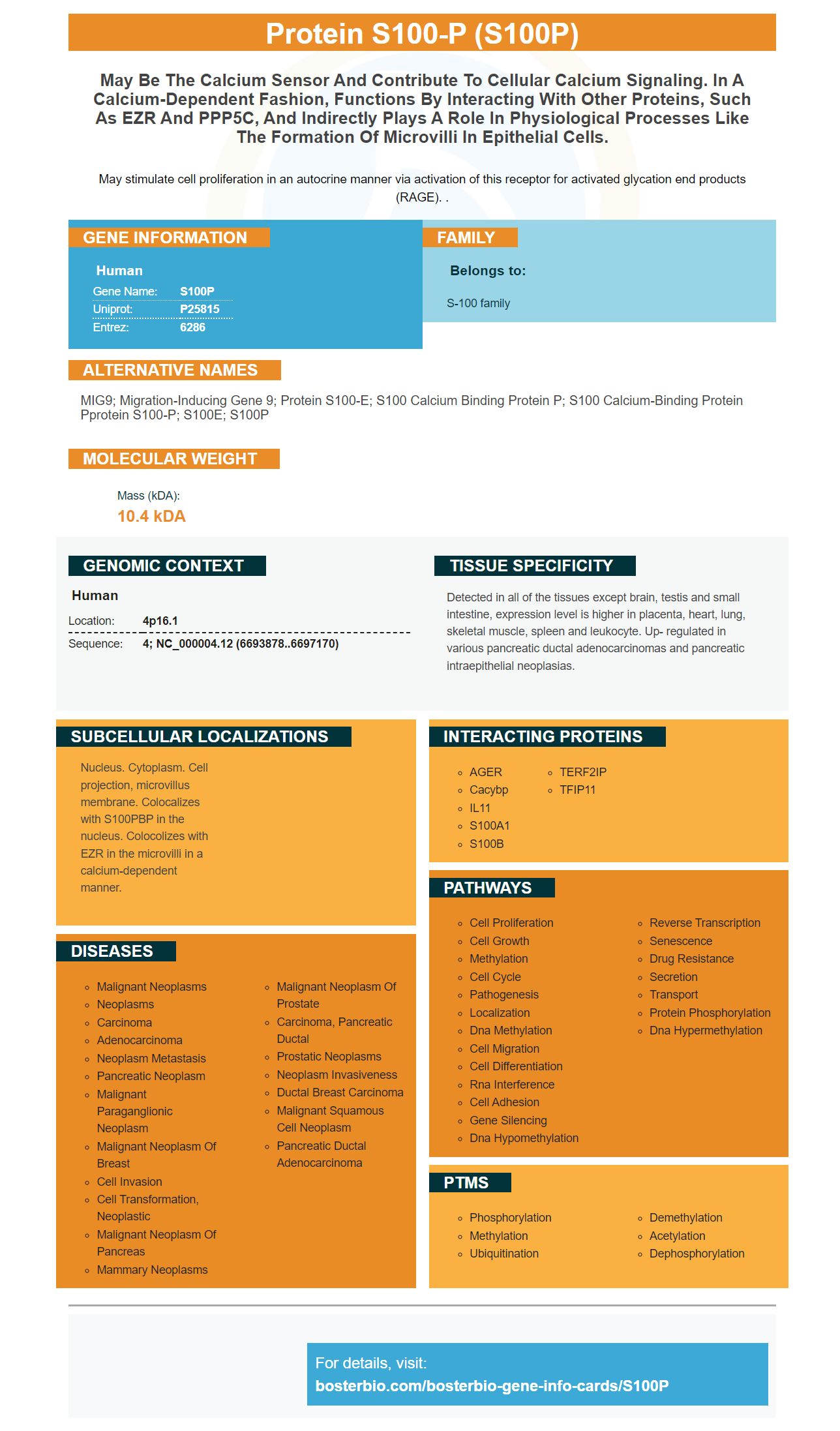
Facts about Protein S100-P.
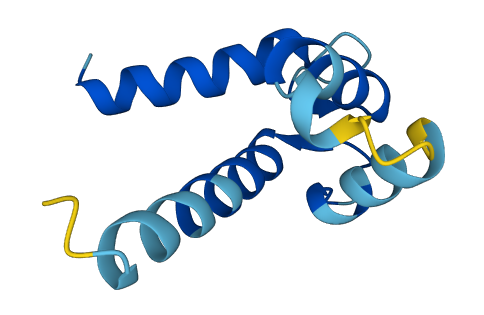
May stimulate cell proliferation in an autocrine manner via activation of this receptor for activated glycation end products (RAGE). .
| Human | |
|---|---|
| Gene Name: | S100P |
| Uniprot: | P25815 |
| Entrez: | 6286 |

| Belongs to: |
|---|
| S-100 family |

MIG9; migration-inducing gene 9; Protein S100-E; S100 calcium binding protein P; S100 calcium-binding protein Pprotein S100-P; S100E; S100P
Mass (kDA):
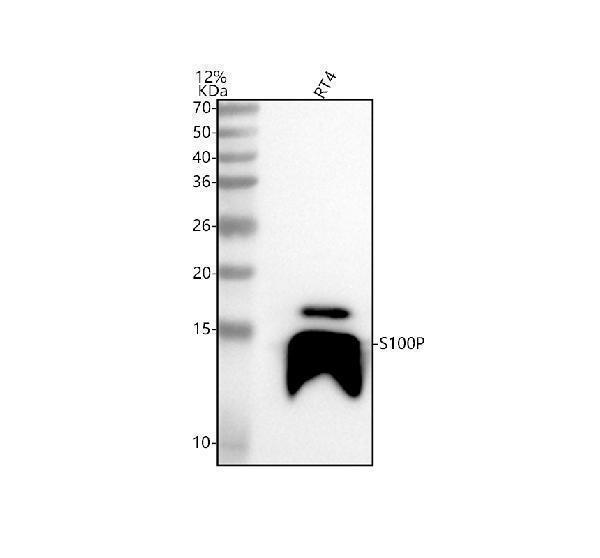
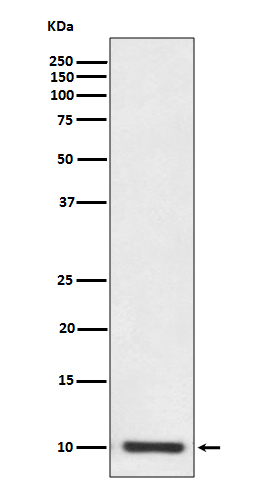
10.4 kDA

| Human | |
|---|---|
| Location: | 4p16.1 |
| Sequence: | 4; NC_000004.12 (6693878..6697170) |
Detected in all of the tissues except brain, testis and small intestine, expression level is higher in placenta, heart, lung, skeletal muscle, spleen and leukocyte. Up- regulated in various pancreatic ductal adenocarcinomas and pancreatic intraepithelial neoplasias.
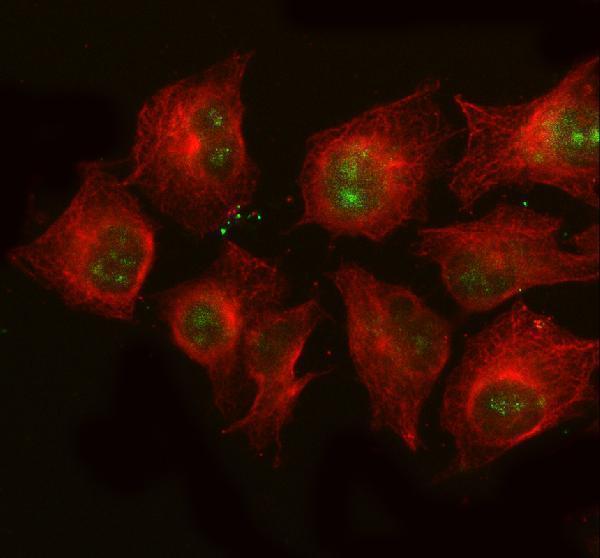
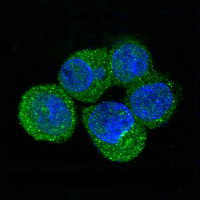
Nucleus. Cytoplasm. Cell projection, microvillus membrane. Colocalizes with S100PBP in the nucleus. Colocolizes with EZR in the microvilli in a calcium-dependent manner.





PMID: 1633809 by Becker T., et al. S100P, a novel Ca(2+)-binding protein from human placenta. cDNA cloning, recombinant protein expression and Ca2+ binding properties.
PMID: 1540168 by Emoto Y., et al. Purification and characterization of a new member of the S-100 protein family from human placenta.