This website uses cookies to ensure you get the best experience on our website.


- Table of Contents
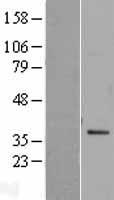
Designing a Western blot for SNAP29? The guide has the expected band size, antibodies backed by real blot images, the controls to run alongside, and protocols taken from published papers.
Open the SNAP29 Western Blot Guide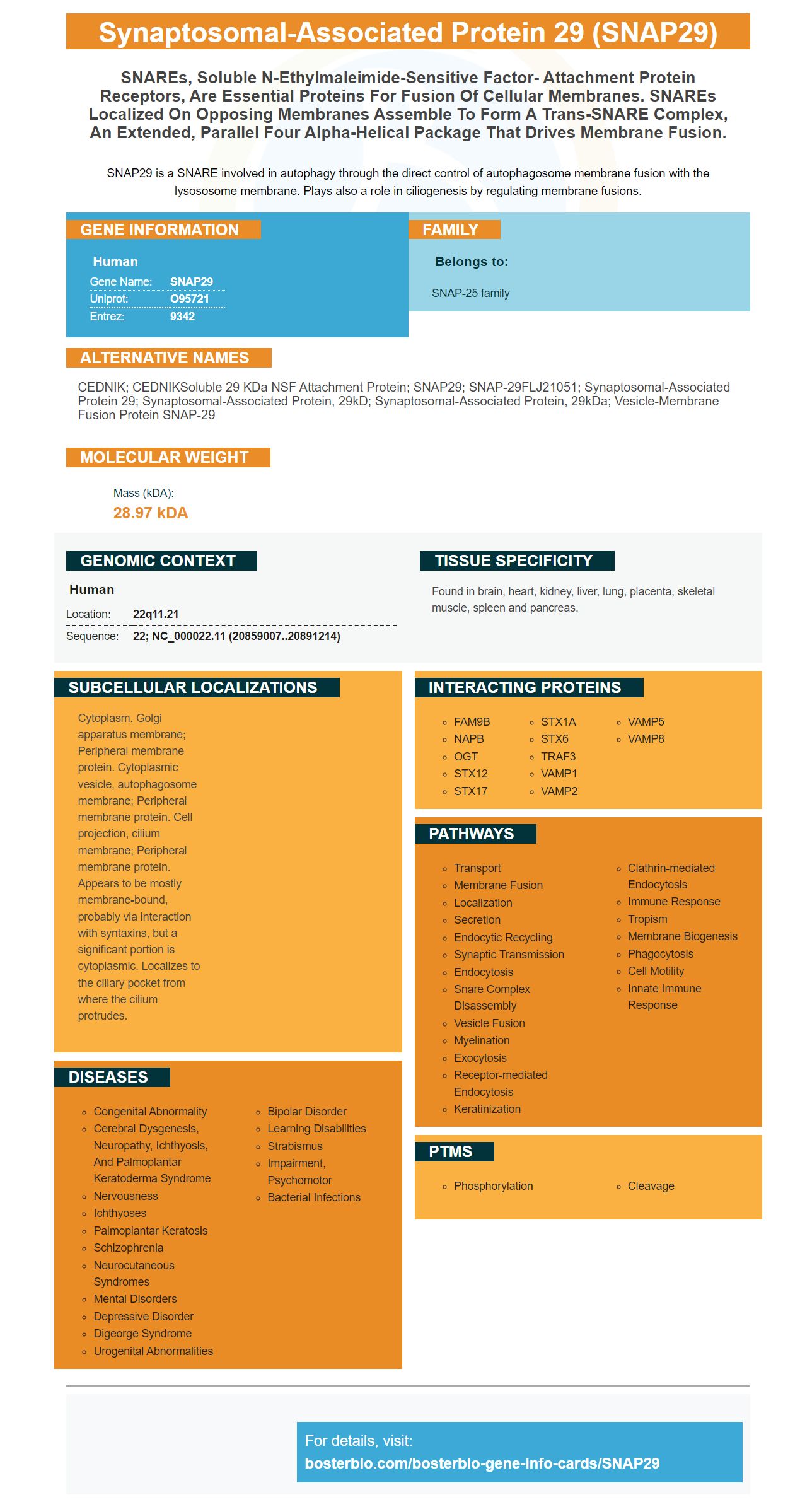
Facts about Synaptosomal-associated protein 29.
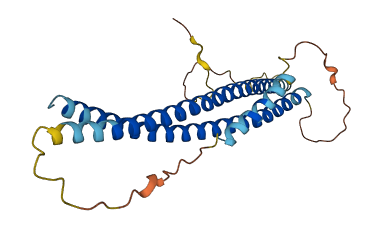
SNAP29 is a SNARE involved in autophagy through the direct control of autophagosome membrane fusion with the lysososome membrane. Plays also a role in ciliogenesis by regulating membrane fusions.
| Human | |
|---|---|
| Gene Name: | SNAP29 |
| Uniprot: | O95721 |
| Entrez: | 9342 |
| Belongs to: |
|---|
| SNAP-25 family |

CEDNIK; CEDNIKSoluble 29 kDa NSF attachment protein; SNAP29; SNAP-29FLJ21051; synaptosomal-associated protein 29; synaptosomal-associated protein, 29kD; synaptosomal-associated protein, 29kDa; Vesicle-membrane fusion protein SNAP-29
Mass (kDA):
28.97 kDA

| Human | |
|---|---|
| Location: | 22q11.21 |
| Sequence: | 22; NC_000022.11 (20859007..20891214) |
Found in brain, heart, kidney, liver, lung, placenta, skeletal muscle, spleen and pancreas.
Cytoplasm. Golgi apparatus membrane; Peripheral membrane protein. Cytoplasmic vesicle, autophagosome membrane; Peripheral membrane protein. Cell projection, cilium membrane; Peripheral membrane protein. Appears to be mostly membrane-bound, probably via interaction with syntaxins, but a significant portion is cytoplasmic. Localizes to the ciliary pocket from where the cilium protrudes.




PMID: 9852078 by Steegmaier M., et al. Three novel proteins of the syntaxin/SNAP-25 family.
PMID: 15968592 by Sprecher E., et al. A mutation in SNAP29, coding for a SNARE protein involved in intracellular trafficking, causes a novel neurocutaneous syndrome characterized by cerebral dysgenesis, neuropathy, ichthyosis, and palmoplantar keratoderma.