This website uses cookies to ensure you get the best experience on our website.


- Table of Contents

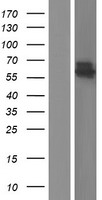
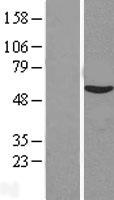
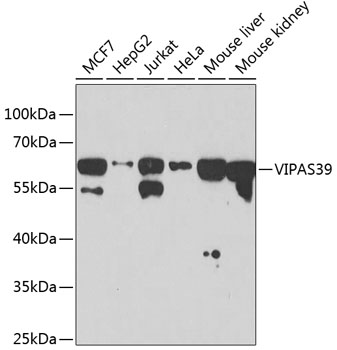
Facts about Spermatogenesis-defective protein 39 homolog.
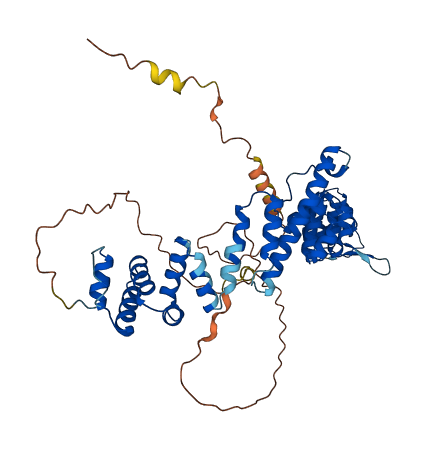
May play a role in lysosomal trafficking, probably via association with the core HOPS complex at a different population of endosomes; the acts seems to be indepenedent of VPS33B (PubMed:19109425). May play a role in vesicular trafficking through spermatogenesis (By similarity).
| Human | |
|---|---|
| Gene Name: | VIPAS39 |
| Uniprot: | Q9H9C1 |
| Entrez: | 63894 |
| Belongs to: |
|---|
| SPE39 family |

C14orf133FLJ12707; hSPE-39; Protein spe-39 homolog; SPE-39; SPE39chromosome 14 open reading frame 133; VPS16B; VPS33B interacting protein, apical-basolateral polarity regulator; VPS33B-interacting protein involved in polarity and apical protein restriction; VPS33B-interacting protein
Mass (kDA):
57.005 kDA

| Human | |
|---|---|
| Location: | 14q24.3 |
| Sequence: | 14; NC_000014.9 (77426675..77457727, complement) |
Cytoplasm. Cytoplasmic vesicle. Early endosome. Recycling endosome. Late endosome. Colocalizes in clusters with VPS33B at cytoplasmic organelles (PubMed:19109425).



PMID: 19109425 by Zhu G.D., et al. SPE-39 family proteins interact with the HOPS complex and function in lysosomal delivery.
PMID: 20190753 by Cullinane A.R., et al. Mutations in VIPAR cause an arthrogryposis, renal dysfunction and cholestasis syndrome phenotype with defects in epithelial polarization.