This website uses cookies to ensure you get the best experience on our website.


- Table of Contents
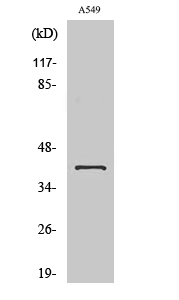
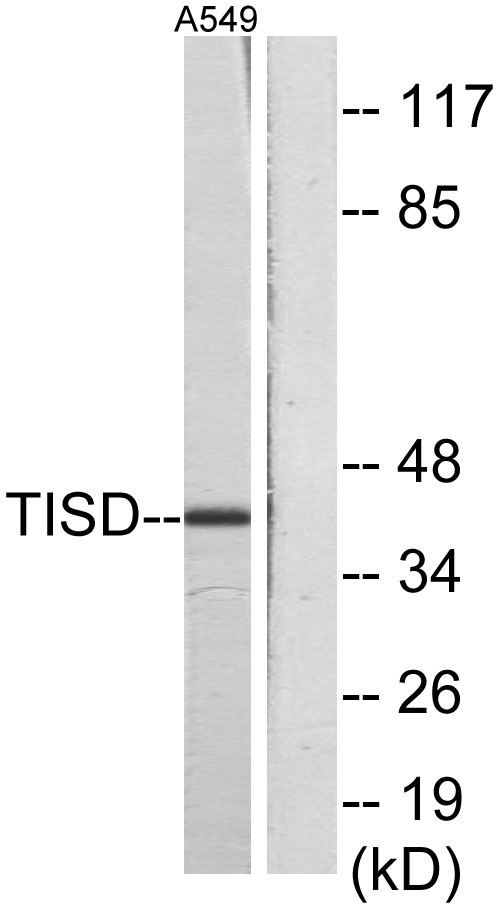
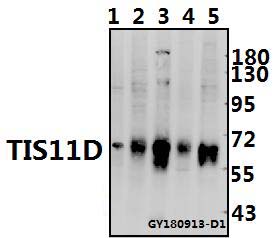
Designing a Western blot for ZFP36L2? The guide has the expected band size, antibodies backed by real blot images, the controls to run alongside, and protocols taken from published papers.
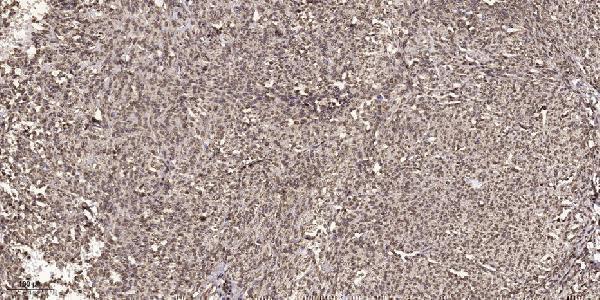
Open the ZFP36L2 Western Blot GuideDesigning an IHC experiment for ZFP36L2? The guide has the expected staining pattern, antigen retrieval and fixation, antibodies backed by real IHC images, the tissue controls to run alongside, and protocols taken from published papers.
Open the ZFP36L2 IHC Guide


Facts about mRNA decay activator protein ZFP36L2.

Functions by recruiting the CCR4-NOT deadenylase complex and probably other components of the cytoplasmic RNA decay machinery to the bound ARE-containing mRNAs, and hence promotes ARE-mediated mRNA deadenylation and decay processes (PubMed:25106868). Promotes ARE- containing mRNA decay of this low-density lipoprotein (LDL) receptor (LDLR) mRNA in response to phorbol 12-myristate 13- acetate (PMA) treatment in a p38 MAPK-dependent manner (PubMed:25106868).
| Human | |
|---|---|
| Gene Name: | ZFP36L2 |
| Uniprot: | P47974 |
| Entrez: | 678 |

| Belongs to: |
|---|
| No superfamily |

HF.10; HF10Zinc finger protein HF.10; Zfp105; zinc finger protein 35 (clone HF.10); zinc finger protein 35
Mass (kDA):
51.063 kDA

| Human | |
|---|---|
| Location: | 2p21 |
| Sequence: | 2; NC_000002.12 (43222402..43226606, complement) |
Expressed mainly in the basal epidermal layer, weakly in the suprabasal epidermal layers (PubMed:27182009). Expressed in epidermal keratinocytes (at protein level) (PubMed:27182009).
Nucleus. Cytoplasm. Shuttles between the nucleus and the cytoplasm in a XPO1/CRM1-dependent manner.



PMID: 8545129 by Ino T., et al. Identification of a member of the TIS11 early response gene family at the insertion point of a DNA fragment containing a gene for the T-cell receptor beta chain in an acute T-cell leukemia.
PMID: 7835719 by Nie X.F., et al. ERF-2, the human homologue of the murine Tis11d early response gene.