This website uses cookies to ensure you get the best experience on our website.


- Table of Contents
and ELISA kits, proteins related to Adipocytes.
Adipocytes, commonly known as fat cells, play a crucial role in the body's energy storage and metabolic regulation. Beyond merely storing lipids, adipocytes are active endocrine cells that secrete a variety of signaling molecules, including hormones and cytokines, which influence processes such as appetite, insulin sensitivity, and inflammation. Understanding the intricate functions of adipocytes is essential for unraveling the complexities of metabolic disorders like obesity, diabetes, and cardiovascular diseases. Our research focuses on developing specialized antibodies that target specific proteins within adipocytes, enabling precise modulation and investigation of their biological pathways. These antibodies serve as invaluable tools for scientists, facilitating breakthroughs in adipose tissue biology and paving the way for innovative therapeutic strategies. Explore our cutting-edge solutions designed to advance adipocyte research and contribute to the fight against metabolic health challenges.

PB9865
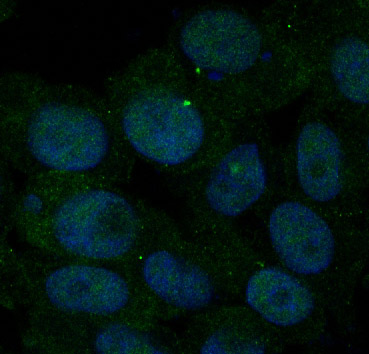
M00447
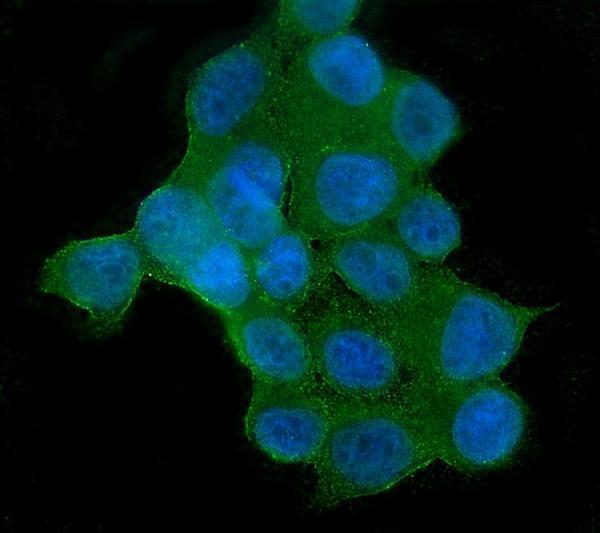
M00725-1
| Protein Name | Gene Name | Function |
|---|---|---|
| PPARG | PPARG | Regulates adipocyte differentiation and lipid metabolism. |
| ADIPOQ | ADIPOQ | Encodes adiponectin, involved in glucose regulation and fatty acid oxidation. |
| LEPTIN | LEP | Involved in regulating energy balance and hunger signals. |
| FABP4 | FABP4 | Fatty acid binding protein involved in lipid metabolism and transport. |
| C/EBPα | CEBPA | Transcription factor critical for adipogenesis and metabolism. |
| INSR | INSR | Insulin receptor, important for insulin signaling in glucose uptake. |
| SREBF1 | SREBF1 | Regulates genes controlling lipid biosynthesis. |
| AKT2 | AKT2 | Kinase involved in insulin signaling and glucose uptake. |
| GLUT4 | SLC2A4 | Glucose transporter facilitating insulin-regulated glucose uptake. |
| FASN | FASN | Enzyme involved in fatty acid synthesis. |
| PLIN1 | PLIN1 | Perilipin involved in lipid droplet formation and metabolism. |
| DGAT1 | DGAT1 | Enzyme catalyzing triglyceride synthesis. |
| GPD1 | GPD1 | Glycerol-3-phosphate dehydrogenase involved in lipid metabolism. |
| SCD1 | SCD | Stearoyl-CoA desaturase involved in lipid biosynthesis. |
| LPL | LPL | Lipoprotein lipase involved in the hydrolysis of triglycerides. |
| ACACA | ACACA | Acetyl-CoA carboxylase involved in fatty acid synthesis. |
| IRS1 | IRS1 | Insulin receptor substrate involved in insulin signaling. |
| AGPAT2 | AGPAT2 | Enzyme involved in phospholipid biosynthesis. |
| HSL | LIPE | Hormone-sensitive lipase involved in lipolysis. |
| AKT1 | AKT1 | Kinase involved in various cellular processes including metabolism. |
Adipocyte differentiation, or adipogenesis, is the biological process through which precursor cells transform into mature adipocytes, the fat-storing cells in the body. This process is pivotal for the development and maintenance of adipose tissue, which plays a crucial role in energy storage, endocrine function, and metabolic regulation. Adipogenesis involves a tightly regulated cascade of transcription factors, including key players like PPARγ (Peroxisome Proliferator-Activated Receptor Gamma) and C/EBPα (CCAAT/Enhancer Binding Protein Alpha), which orchestrate the expression of genes necessary for lipid accumulation and insulin sensitivity. Understanding the molecular mechanisms governing adipocyte differentiation is essential for unraveling the complexities of obesity, diabetes, and other metabolic disorders. Research in this area not only elucidates how fat cells develop and function but also explores potential therapeutic targets to mitigate excess adipose tissue formation and improve metabolic health.
Adipose tissue inflammation is a critical factor linking excess fat accumulation to insulin resistance and the development of type 2 diabetes. In obesity, expanded adipose tissue undergoes structural and functional changes, including hypoxia, increased cell death, and infiltration of immune cells such as macrophages. These immune cells release pro-inflammatory cytokines like TNF-α and IL-6, which interfere with insulin signaling pathways in adipocytes and other tissues, leading to impaired glucose uptake and metabolism. Chronic inflammation within adipose tissue disrupts normal metabolic homeostasis, contributing to systemic insulin resistance and increasing the risk of cardiovascular diseases. Investigating the mechanisms of adipose tissue inflammation provides insights into potential interventions aimed at reducing inflammation, enhancing insulin sensitivity, and preventing metabolic syndrome. Therapeutic strategies targeting inflammatory pathways in adipose tissue hold promise for improving metabolic outcomes in individuals with obesity and related disorders.