This website uses cookies to ensure you get the best experience on our website.


- Table of Contents
and ELISA kits, proteins related to Endothelial cells.
Endothelial cells are specialized cells that form the inner lining of blood vessels and lymphatic systems throughout the body. They play a vital role in maintaining vascular health by regulating blood flow, controlling the passage of materials and immune cells between the bloodstream and surrounding tissues, and facilitating the formation of new blood vessels through angiogenesis. Beyond their structural functions, endothelial cells are key players in inflammatory responses and the maintenance of hemostasis. In research, targeting endothelial cells with specific antibodies allows scientists to explore intricate mechanisms underlying cardiovascular diseases, cancer progression, and various inflammatory conditions. By leveraging these antibodies, researchers can gain deeper insights into endothelial cell behavior, develop targeted therapies, and advance our understanding of vascular biology, ultimately contributing to the development of innovative treatments for a wide range of health challenges.
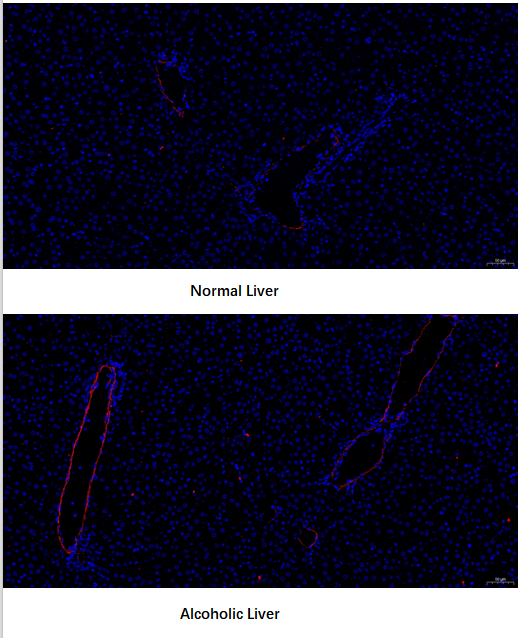
A01513-3
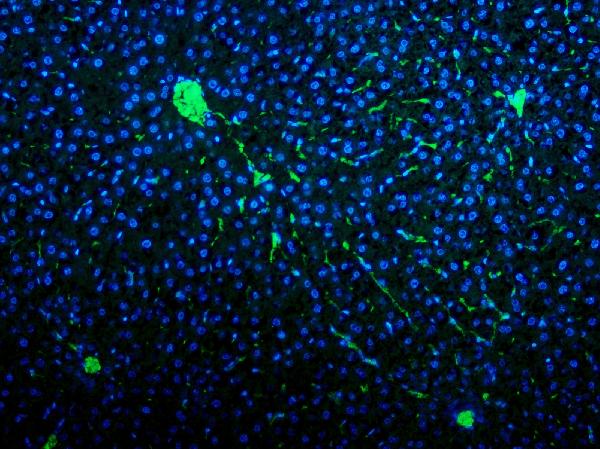
PB9273
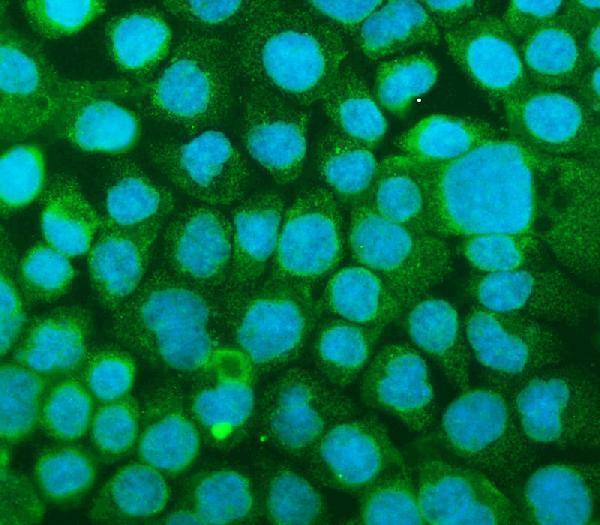
A00171
| Protein Name | Gene Name | Function |
|---|---|---|
| VE-cadherin | CDH5 | Adherens junction component critical for endothelial cell-cell adhesion and vascular integrity |
| PECAM-1 (CD31) | PECAM1 | Mediates leukocyte transmigration and involved in angiogenesis |
| von Willebrand factor | VWF | Involved in blood coagulation and endothelial function |
| VEGFR2 | KDR | Mediates responses to VEGF, promoting angiogenesis |
| E-selectin | SELE | Adhesion molecule involved in leukocyte recruitment to sites of inflammation |
| ICAM-1 | ICAM1 | Facilitates leukocyte adhesion and transmigration |
| VCAM-1 | VCAM1 | Mediates the adhesion of lymphocytes, monocytes, eosinophils to endothelial cells |
| eNOS | NOS3 | Produces nitric oxide, regulating vascular tone and blood flow |
| Tie2 | TEK | Receptor tyrosine kinase involved in angiogenesis and blood vessel maturation |
| Angiopoietin-1 | ANGPT1 | Ligand for Tie2, promoting blood vessel stability and maturation |
| Angiopoietin-2 | ANGPT2 | Antagonizes ANGPT1, involved in blood vessel remodeling |
| Endoglin | ENG | Co-receptor for TGF-beta, involved in angiogenesis |
| Neuropilin-1 | NRP1 | Co-receptor for VEGF, involved in angiogenesis and vascular permeability |
| Dll4 | DLL4 | Notch ligand involved in arterial specification and angiogenesis |
| EMILIN2 | EMILIN2 | Components of extracellular matrix, involved in vessel stabilization |
| PLVAP | PLVAP | Involved in the formation of fenestrae and diaphragms in endothelial cells |
| CD146 (MCAM) | MCAM | Adhesion molecule involved in angiogenesis and endothelial cell function |
| JAM-A | JAM3 | Junctional adhesion molecule involved in tight junction formation |
| S1P receptor | S1PR1 | Mediates sphingosine-1-phosphate signaling, regulating vascular stability |
| TIE1 | TEK | Receptor involved in angiogenesis, acting alongside Tie2 |
Angiogenesis, the process of new blood vessel formation from existing vasculature, is a critical sub-research area within endothelial cell studies. This mechanism is essential for various physiological processes, including wound healing, embryonic development, and the menstrual cycle. In pathological conditions, aberrant angiogenesis contributes to diseases such as cancer, diabetic retinopathy, and rheumatoid arthritis. Understanding the signaling pathways and molecular mechanisms that regulate angiogenesis enables the development of targeted therapies to either promote blood vessel growth in ischemic diseases or inhibit it in cancerous tumors. Vascular remodeling, closely linked to angiogenesis, involves the structural reorganization of blood vessels to maintain tissue homeostasis and adapt to changing physiological demands. Research in this area explores the roles of growth factors like VEGF (vascular endothelial growth factor), angiopoietins, and the extracellular matrix in orchestrating the delicate balance between vessel formation and regression. Advances in imaging techniques and molecular biology have significantly enhanced our ability to study endothelial cell behavior during angiogenesis, paving the way for novel therapeutic interventions that can modulate vascular growth and stability.
Endothelial dysfunction is a pivotal sub-research area that bridges cellular biology and clinical cardiology. Endothelial cells line the interior surface of blood vessels and are integral to maintaining vascular homeostasis by regulating blood flow, vascular tone, and barrier function. Dysfunction in these cells is characterized by a reduced availability of nitric oxide, increased oxidative stress, inflammation, and impaired vasodilation. These alterations are strongly associated with the pathogenesis of various cardiovascular diseases, including atherosclerosis, hypertension, and thrombosis. Investigating the molecular mechanisms underlying endothelial dysfunction involves studying the impact of risk factors such as hyperlipidemia, diabetes, smoking, and hypertension on endothelial cell health. Research focuses on identifying biomarkers for early detection, understanding the role of endothelial progenitor cells in vascular repair, and developing therapeutic strategies to restore endothelial function. Interventions may include lifestyle modifications, pharmacological agents that enhance nitric oxide bioavailability, antioxidant therapies, and novel drug delivery systems targeting endothelial cells. By elucidating the complexities of endothelial dysfunction, this research area aims to prevent and mitigate the progression of cardiovascular diseases, ultimately improving patient outcomes and reducing the burden of heart-related illnesses worldwide.