This website uses cookies to ensure you get the best experience on our website.


- Table of Contents
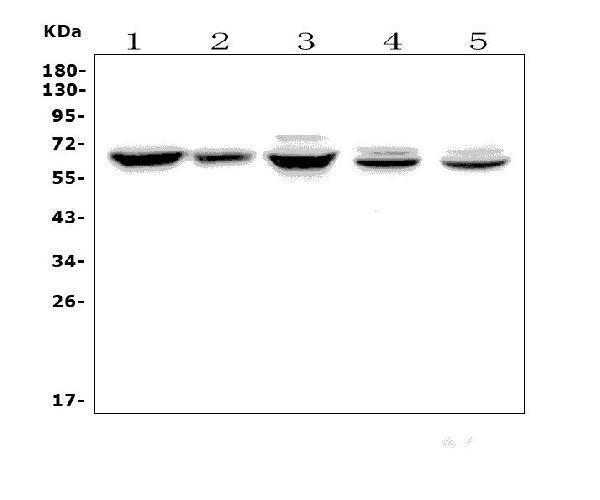
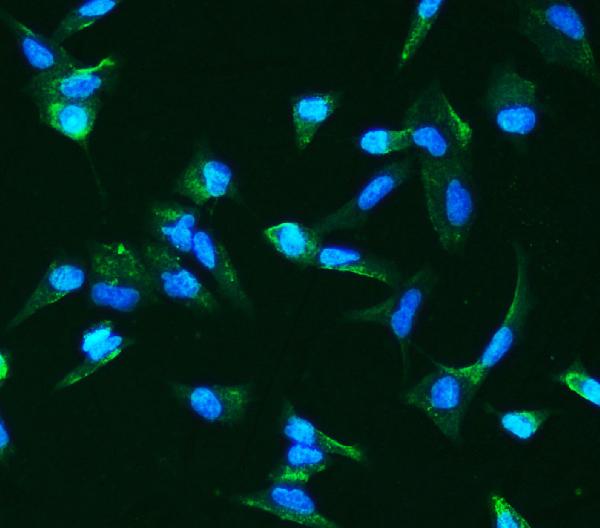
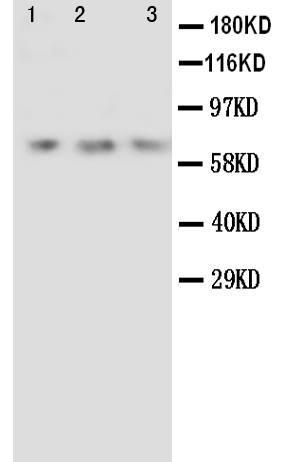
Designing a Western blot for Angiopoietin-2? The guide has the expected band size, antibodies backed by real blot images, the controls to run alongside, and protocols taken from published papers.
Open the ANGPT2 Western Blot Guide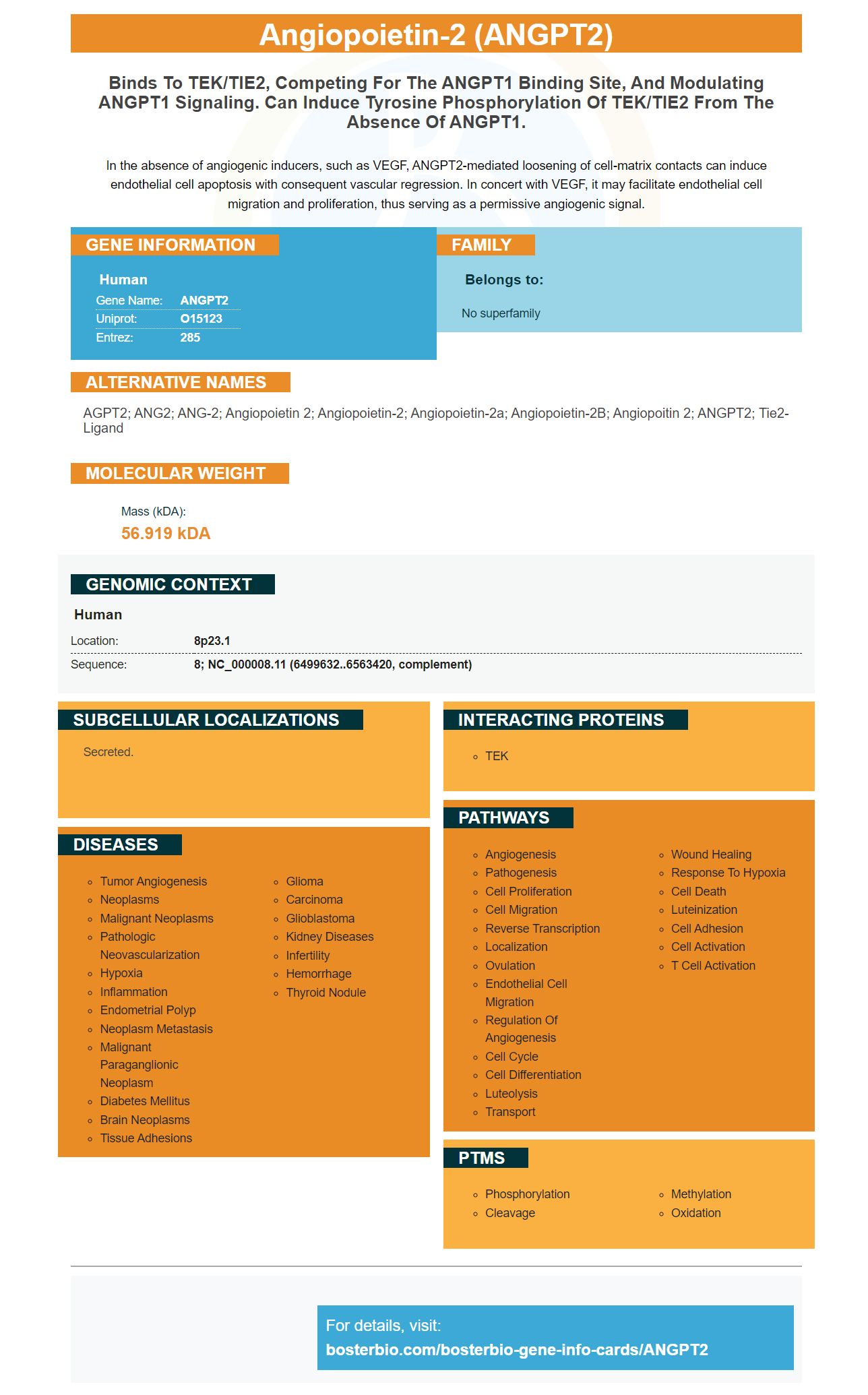
9 Citations
10 Citations
5 Citations
4 Citations

1 Citations


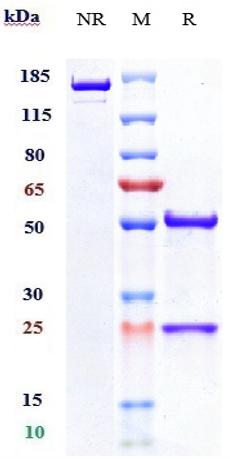
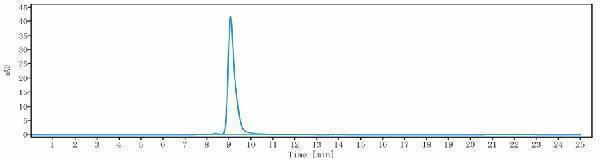
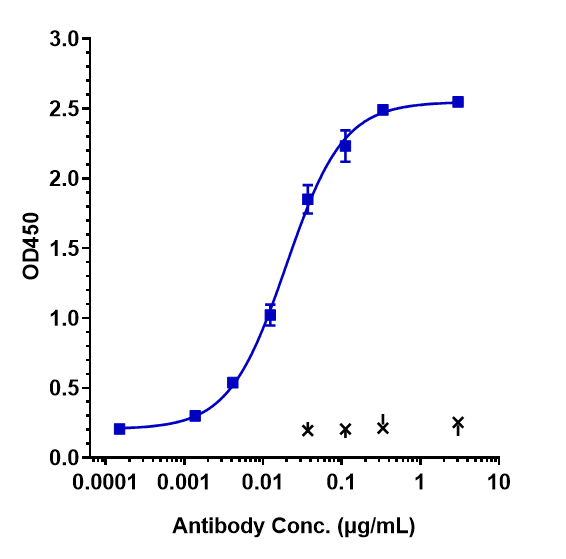
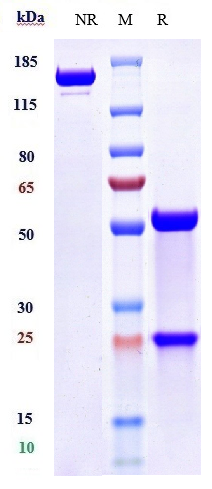
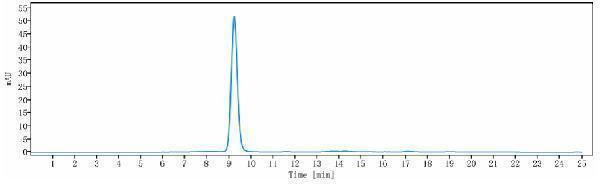
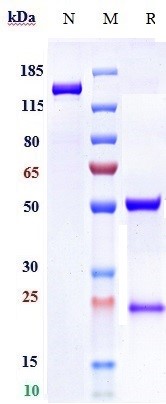
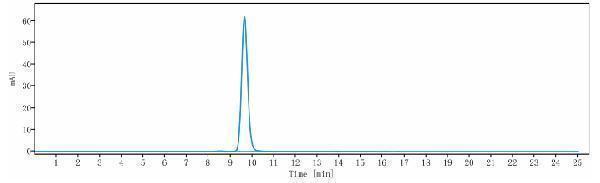
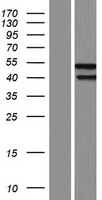
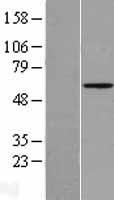

Facts about Angiopoietin-2.
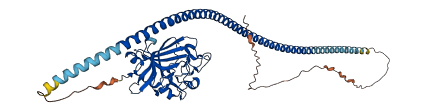
In the absence of angiogenic inducers, such as VEGF, ANGPT2-mediated loosening of cell-matrix contacts can induce endothelial cell apoptosis with consequent vascular regression. In concert with VEGF, it may facilitate endothelial cell migration and proliferation, thus serving as a permissive angiogenic signal.
| Human | |
|---|---|
| Gene Name: | ANGPT2 |
| Uniprot: | O15123 |
| Entrez: | 285 |
| Belongs to: |
|---|
| No superfamily |

AGPT2; ANG2; ANG-2; angiopoietin 2; Angiopoietin-2; angiopoietin-2a; angiopoietin-2B; angiopoitin 2; ANGPT2; Tie2-ligand
Mass (kDA):
56.919 kDA

| Human | |
|---|---|
| Location: | 8p23.1 |
| Sequence: | 8; NC_000008.11 (6499632..6563420, complement) |
Secreted.



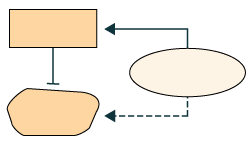

PMID: 9204896 by Maisonpierre P.C., et al. Angiopoietin-2, a natural antagonist for Tie2 that disrupts in vivo angiogenesis.
PMID: 9927494 by Tanaka S., et al. Biologic significance of angiopoietin-2 expression in human hepatocellular carcinoma.
*More publications can be found for each product on its corresponding product page