This website uses cookies to ensure you get the best experience on our website.


- Table of Contents
and ELISA kits, proteins related to Hypertension.
Hypertension, commonly known as high blood pressure, is a widespread chronic condition affecting millions globally. Characterized by persistently elevated pressure in the arteries, it significantly increases the risk of heart disease, stroke, and kidney failure. Often referred to as the "silent killer" due to its asymptomatic nature in early stages, hypertension demands vigilant management and continuous research. Understanding the underlying mechanisms is crucial for developing effective treatments and preventive strategies. Advances in biomedical research, particularly in the study of specific antibodies, are opening new avenues for targeted therapies that can better control blood pressure and reduce associated health risks. By delving deeper into the complexities of hypertension, scientists aim to enhance patient outcomes and mitigate the profound impact this condition has on public health.
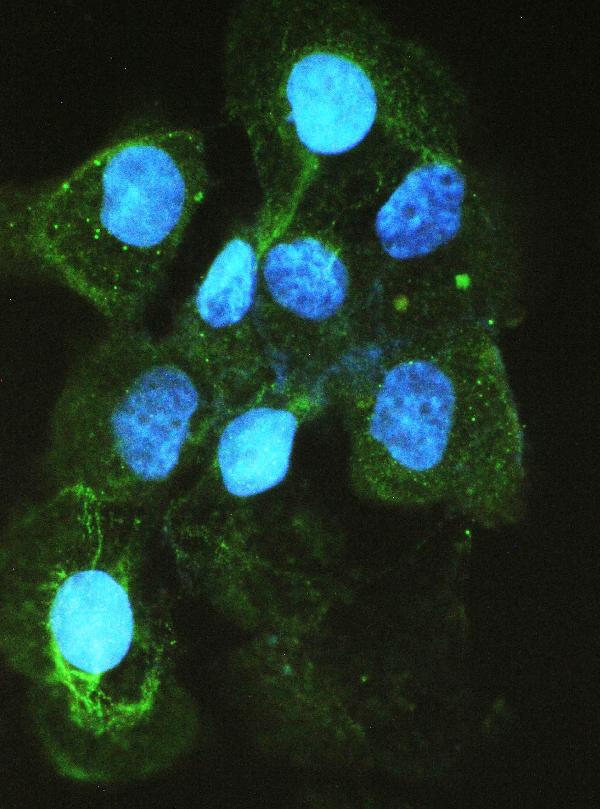
Anti-Angiotensin Converting Enzyme 1/ACE Antibody Picoband®, Figure 8. IF analysis of ACE using anti-ACE antibody (PB9124).
ACE was detected in immunocytochemical section of A...

Anti-Mineralocorticoid Receptor/NR3C2 Antibody Picoband®, Figure 2. IF analysis of NR3C2 using anti-NR3C2 antibody (PB9765) and anti-Tubulin Alpha antibody (M03989-3).
NR3C...
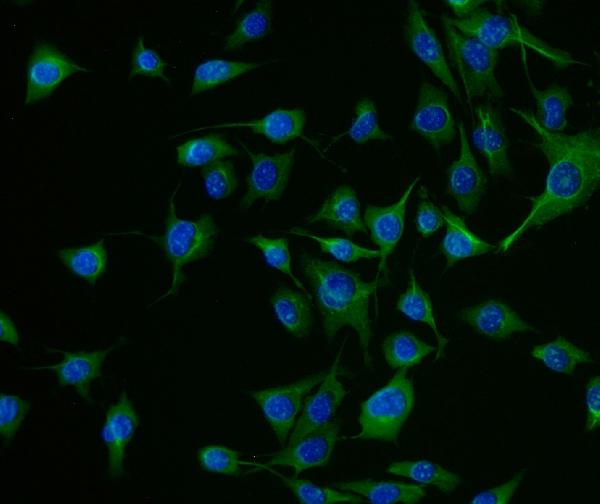
Anti-Chromogranin A/Chga Antibody Picoband®, Figure 2. IF analysis of Chromogranin A/Chga using anti-Chromogranin A/Chga antibody (A01256-3).
Chromogranin ...
| Protein Name | Gene Name | Function |
|---|---|---|
| Renin | REN | Initiates the renin-angiotensin-aldosterone system to regulate blood pressure. |
| Angiotensin II | AGT | Vasoconstrictor that increases blood pressure. |
| Aldosterone | CYP11B2 | Regulates sodium and water balance, affecting blood pressure. |
| Endothelin-1 | EDN1 | Potent vasoconstrictor involved in hypertension. |
| Angiotensin-Converting Enzyme (ACE) | ACE | Converts angiotensin I to angiotensin II, regulating blood pressure. |
| Adducin | ADD1 | Involved in sodium reabsorption, contributing to blood pressure regulation. |
| α2C-adrenergic receptor | ADRA2C | Affects vascular tone and blood pressure. |
| Beta-1 adrenergic receptor | ADRB1 | Regulates heart rate and contractility, impacting blood pressure. |
| Endothelial Nitric Oxide Synthase (eNOS) | NOS3 | Produces nitric oxide, a vasodilator that lowers blood pressure. |
| Sodium Bicarbonate Cotransporter | SLC4A5 | Involved in renal sodium handling, influencing blood pressure. |
| G Protein Beta 3 Subunit | GNB3 | Involved in signal transduction pathways affecting blood pressure. |
| Plasminogen Activator Inhibitor-1 (PAI-1) | SERPINE1 | Regulates fibrinolysis and is associated with hypertension risk. |
| Mineralocorticoid Receptor | NR3C2 | Mediates effects of aldosterone on sodium and water reabsorption. |
| Thiazide-sensitive Na-Cl Cotransporter | SLC12A3 | Involved in renal ion transport, impacting blood pressure regulation. |
| Uromodulin | UMOD | Regulates kidney function and salt handling, linked to hypertension. |
| GalNAc-T11 | GALNT11 | Involved in protein glycosylation, associated with blood pressure regulation. |
| 11β-hydroxylase | CYP11B1 | Involved in cortisol and aldosterone synthesis, influencing blood pressure. |
| G Protein-Coupled Receptor Kinase 4 | GRK4 | Regulates adrenergic receptors affecting renal sodium handling and blood pressure. |
| Prostaglandin E Synthase | PTGES | Involved in vascular function and blood pressure regulation. |
| Chromogranin A | CHGA | Regulates catecholamine storage and release, influencing blood pressure. |
Understanding the genetic and molecular underpinnings of hypertension is pivotal in unraveling its complex pathophysiology. This sub-research area explores how genetic variations and molecular pathways contribute to the development and progression of high blood pressure. Advances in genomics and molecular biology have enabled researchers to identify specific genes and genetic loci associated with hypertension, shedding light on individual susceptibility and variations in treatment responses. Additionally, investigations into molecular mechanisms, such as the renin-angiotensin-aldosterone system (RAAS), oxidative stress, and inflammatory pathways, provide insights into how cellular processes influence vascular tone and fluid balance. By elucidating these genetic and molecular factors, scientists aim to develop targeted therapies and personalized medicine approaches, enhancing the efficacy of hypertension management. Moreover, this research area facilitates the identification of novel biomarkers for early detection and risk stratification, ultimately contributing to better prevention strategies and improved clinical outcomes for individuals with hypertension.
Vascular dysfunction, particularly involving the endothelium—the inner lining of blood vessels—is a critical area of hypertension research. The endothelium plays a crucial role in regulating vascular tone, blood flow, and maintaining the balance between vasoconstriction and vasodilation through the release of substances like nitric oxide. In hypertension, endothelial dysfunction leads to impaired vasodilation, increased vascular stiffness, and heightened inflammatory responses, contributing to sustained high blood pressure and end-organ damage. Research in this area focuses on the molecular and cellular changes within the vascular system that drive these dysfunctions, including oxidative stress, inflammation, and alterations in signaling pathways. Additionally, studies examine how lifestyle factors, such as diet and exercise, and pharmacological interventions can restore endothelial function and improve vascular health. By targeting the mechanisms of vascular dysfunction, this sub-research area seeks to develop innovative treatments that not only lower blood pressure but also mitigate the broader cardiovascular risks associated with hypertension.