This website uses cookies to ensure you get the best experience on our website.


- Table of Contents
and ELISA kits, proteins related to Melanoma.
**Understanding Melanoma** Melanoma is a serious and aggressive form of skin cancer that originates in melanocytes, the cells responsible for producing the pigment melanin. Unlike other skin cancers, melanoma is more likely to grow and spread to other parts of the body if not detected early. It can develop anywhere on the skin, including areas not typically exposed to the sun, such as the eyes and internal organs. Advances in melanoma research have focused on harnessing antibodies to target cancer cells more precisely, improving treatment efficacy and reducing side effects. These antibody-based therapies work by enhancing the immune system's ability to recognize and eliminate malignant cells. Ongoing research is critical in the fight against melanoma, offering hope for more effective and personalized treatment options that can significantly improve patient outcomes.
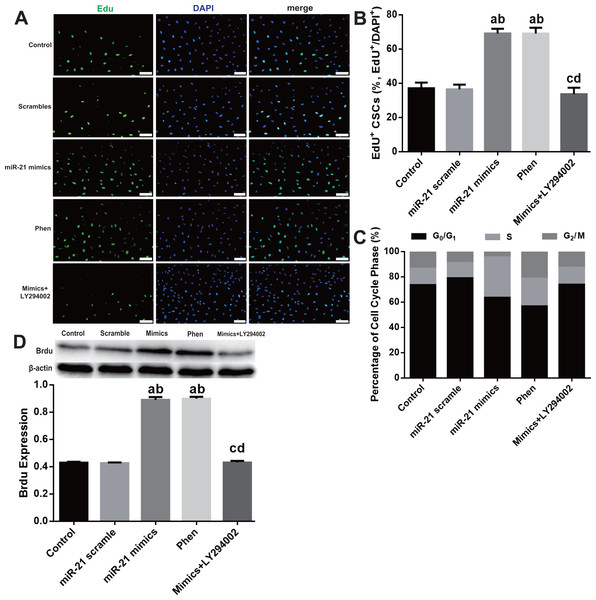
PB9385

M00979-1
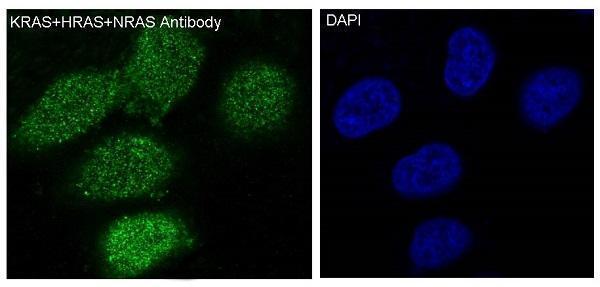
M00099-1
| Protein Name | Gene Name | Function |
|---|---|---|
| BRAF | BRAF | Kinase involved in cell growth signaling |
| NRAS | NRAS | GTPase involved in cell signaling pathways |
| KIT | KIT | Receptor tyrosine kinase involved in cell survival |
| PD-L1 | CD274 | Immune checkpoint protein that inhibits T-cell function |
| S100B | S100B | Calcium-binding protein involved in cell cycle progression |
| MITF | MITF | Transcription factor important for melanocyte development |
| CDKN2A | CDKN2A | Tumor suppressor regulating cell cycle |
| PTEN | PTEN | Tumor suppressor involved in cell growth regulation |
| MIA | MIA | Melanoma inhibitory activity protein involved in tumor progression |
| SOX10 | SOX10 | Transcription factor in neural crest development |
| p53 | TP53 | Tumor suppressor regulating cell division and apoptosis |
| VEGF | VEGFA | Angiogenic factor promoting blood vessel formation |
| CXCR4 | CXCR4 | Chemokine receptor involved in metastasis |
| EGFR | EGFR | Receptor tyrosine kinase involved in cell growth and differentiation |
| ALK | ALK | Receptor tyrosine kinase implicated in cell proliferation |
| CD271 | NGFR | Nerve growth factor receptor involved in cell survival |
| HIF-1α | HIF1A | Transcription factor responding to hypoxia |
| Melan-A | MLANA | Protein involved in melanocyte differentiation |
| Galectin-3 | LGALS3 | Protein involved in cell adhesion and metastasis |
| TYR | TYR | Enzyme involved in melanin biosynthesis |
Immunotherapy has revolutionized the treatment landscape for melanoma by harnessing the body’s immune system to recognize and eliminate cancer cells. This sub-area focuses on understanding the interactions between melanoma cells and the immune system, particularly within the tumor microenvironment. Key advancements include the development of immune checkpoint inhibitors, such as anti-PD-1 and anti-CTLA-4 antibodies, which have shown significant efficacy in improving patient survival. Researchers are also exploring combination therapies that enhance immune response and overcome resistance mechanisms. Additionally, studies on tumor-infiltrating lymphocytes (TILs) and the role of cytokines contribute to optimizing immunotherapeutic strategies. Understanding the dynamics of the tumor microenvironment, including factors like immune cell infiltration, cytokine milieu, and checkpoint molecule expression, is critical for identifying biomarkers that predict response to immunotherapy and for developing personalized treatment approaches. Ongoing research aims to mitigate immune-related adverse effects and to expand the applicability of immunotherapy to a broader range of melanoma patients.
Targeted molecular therapies represent a pivotal area of melanoma research, focusing on identifying and inhibating specific genetic mutations and signaling pathways that drive melanoma progression. One of the most significant breakthroughs in this field has been the discovery of BRAF mutations, present in approximately 50% of melanoma cases. Inhibitors targeting the BRAF V600E mutation, such as vemurafenib and dabrafenib, have demonstrated substantial clinical benefits. Additionally, MEK inhibitors like trametinib are used in combination with BRAF inhibitors to enhance therapeutic efficacy and delay resistance. Beyond the BRAF-MEK axis, research is expanding into other molecular targets, including NRAS mutations, c-KIT alterations, and the PI3K/AKT/mTOR pathway. The development of resistance to targeted therapies remains a major challenge, prompting investigations into combination treatments and novel inhibitors. Personalized medicine approaches, guided by comprehensive genomic profiling, enable the selection of appropriate targeted agents based on individual tumor profiles. This sub-area continues to evolve rapidly, aiming to improve outcomes and extend survival for melanoma patients through precision-based therapeutic interventions.