This website uses cookies to ensure you get the best experience on our website.


- Table of Contents
and ELISA kits, proteins related to Osteosarcoma.
Osteosarcoma is the most common type of malignant bone cancer, primarily affecting children and young adults. This aggressive cancer originates in the cells that form bones and is most prevalent in the long bones around the knee, shoulder, and hip. The disease often presents symptoms such as pain at the site of the tumor, swelling, and limited joint mobility, which can hinder daily activities and reduce quality of life. Understanding and addressing osteosarcoma through scientific research is critical. Research focuses not only on identifying the genetic and environmental factors contributing to its development but also on improving diagnostic methods and treatment modalities. As researchers continue to unravel the complexities of osteosarcoma, the role of specific antibodies in both the detection and potential treatment of this cancer has become increasingly important. These antibodies offer prospects for more targeted and effective therapies, promising a new horizon in the management and prognosis of the disease. This page is dedicated to exploring the breakthroughs in osteosarcoma research through advanced antibody technologies, enhancing our fight against this devastating ailment.

Anti-VEGF/VEGFA Antibody Picoband®, YJD affected the VEGF/VEGFR-2/FAK pathway in vivo. ( A – B ) Germ cell markers MVH and Oct4 were detected by IF. ( C ) The expression of VEGF, VEGFR-2, and...
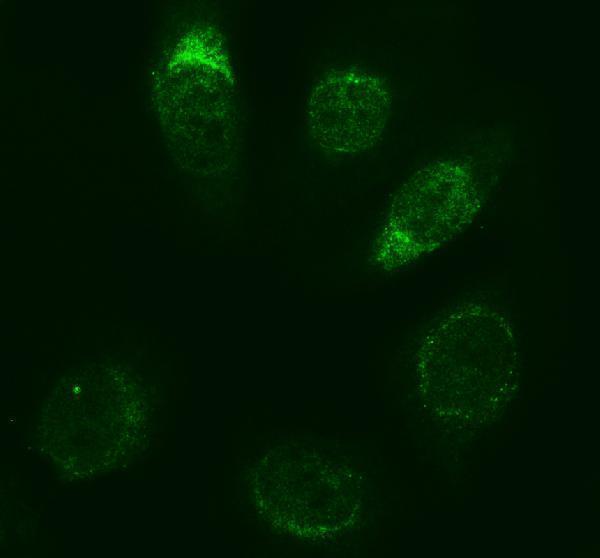
Anti-Caspase-3/CASP3 Antibody Picoband®, IF analysis of Caspase-3 using anti-Caspase-3 antibody (PB9188).
Caspase-3 was detected in an immunocytochemical section of U...

Anti-MMP9 Antibody Picoband®, Conditioned medium derived from HCC cells grown on the high-stiffness substrate accelerates the formation of the lung pre-metastatic niche. a Schem...
| Protein Name | Gene Name | Function |
|---|---|---|
| Alkaline Phosphatase | ALPL | Marker of bone formation and metastasis prediction. |
| Lactate Dehydrogenase | LDHA | Indicator of tumor burden and prognosis. |
| Matrix Metalloproteinase 9 | MMP9 | Involved in tumor invasion and metastasis. |
| TP53 | TP53 | Tumor suppressor gene, mutations associated with poor prognosis. |
| HER2 | ERBB2 | Growth factor receptor, linked to aggressive tumor behavior. |
| VEGF | VEGFA | Promotes angiogenesis and correlates with tumor progression. |
| Mammaglobin | SCGB2A2 | Expressed in metastatic cells, used in detection. |
| Osteocalcin | BGLAP | Bone turnover biomarker, associated with tumor calcification. |
| Survivin | BIRC5 | Inhibits apoptosis, associated with chemotherapy resistance. |
| Osterix | SP7 | Osteoblastic differentiation marker, linked to tumor progression. |
| Ezrin | EZR | Links plasma membrane to cytoskeleton, involved in metastasis. |
| CDKN2A | CDKN2A | Cell cycle regulation, frequently deleted or mutated in osteosarcoma. |
| c-Fos | FOS | Oncoprotein, regulates cell proliferation and differentiation. |
| c-Myc | MYC | Transcription factor, involved in cell cycle progression and apoptosis. |
| FGFR | FGFR1 | Fibroblast growth factor receptor, involved in proliferative signaling. |
| P-glycoprotein | ABCB1 | Drug efflux pump, associated with multidrug resistance. |
| Telomerase | TERT | Maintains telomere length, associated with immortalization of cancer cells. |
| TGF-beta | TGFB1 | Growth factor, involved in cellular proliferation and differentiation. |
| Caspase 3 | CASP3 | Executioner caspase in apoptosis, involved in programmed cell death regulation. |
Osteosarcoma, a malignant tumor primarily affecting the bones, demonstrates a complex molecular pathogenesis that involves multiple genetic and epigenetic changes. Research has increasingly focused on understanding the genetic alterations that initiate and drive the development of these tumors. Key aspects include mutations in tumor suppressor genes (such as p53 and RB) and alterations in various signaling pathways including the PI3K/AKT/mTOR pathway and the MAPK pathway. These alterations can affect cell cycle regulation, apoptosis, and metastatic potential. Investigation into the molecular pathogenesis of osteosarcoma is crucial as it opens the door to targeted therapies and personalized medicine. By characterizing specific genetic and protein alterations, researchers can develop new therapeutic strategies that are more effective and less toxic than conventional treatments.
Immunotherapy represents a promising frontier in osteosarcoma treatment, exploring how to harness the body's immune system to fight cancer cells. This area has gained traction due to the limited success of traditional therapies in improving long-term survival rates, particularly in cases of metastatic or recurrent disease. Current research focuses on various forms of immunotherapy, including checkpoint inhibitors, cancer vaccines, and adoptive cell therapies. The aim is to boost the innate immune response against cancer cells or to modify immune cells to be more effective in targeting and destroying osteosarcoma cells. This approach not only seeks to enhance the effectiveness of existing treatments but also to reduce systemic toxicity by targeting the tumor cells more selectively. Ongoing clinical trials and research are crucial to determine the efficacy and safety of these innovative treatments in pediatric and adult populations.