This website uses cookies to ensure you get the best experience on our website.


- Table of Contents
and ELISA kits, proteins related to Rheumatoid Arthritis.
Rheumatoid Arthritis (RA) is a chronic autoimmune disorder that primarily affects the joints, leading to inflammation, pain, and eventual joint damage. Unlike ordinary wear-and-tear arthritis, RA occurs when the immune system mistakenly attacks the body’s own tissues, particularly the synovium—the lining of the membranes surrounding the joints. This persistent inflammation can result in swelling, stiffness, and reduced mobility, significantly impacting daily life. Beyond joint issues, RA can also affect other organs, including the skin, eyes, and cardiovascular system. Advances in RA research are increasingly focusing on the role of specific antibodies that drive the autoimmune response. By understanding these antibodies, scientists aim to develop targeted therapies that can more effectively manage symptoms, slow disease progression, and improve the quality of life for those living with Rheumatoid Arthritis.
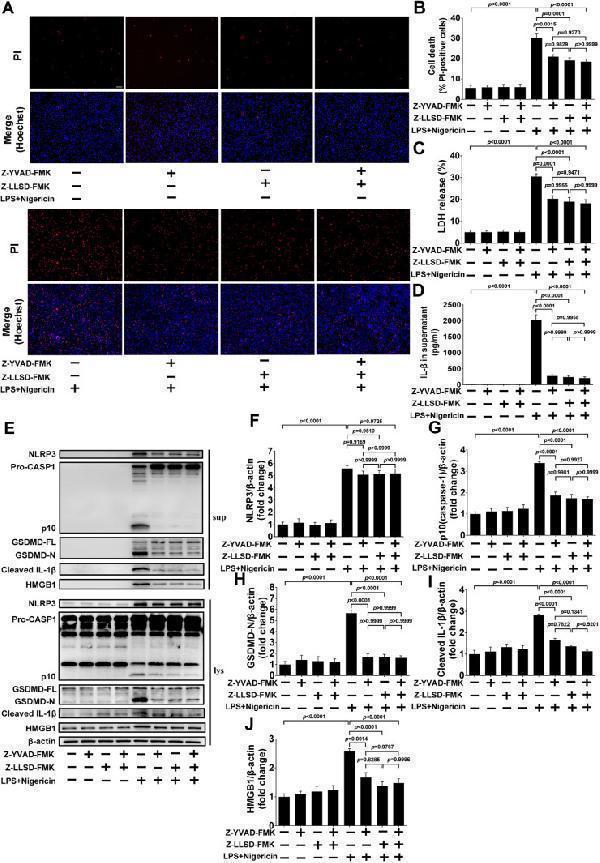
A00101
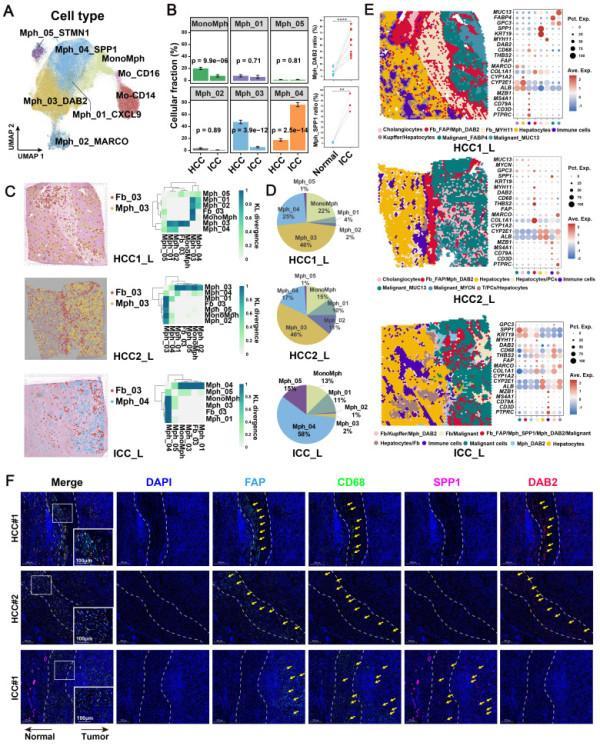
RP1080
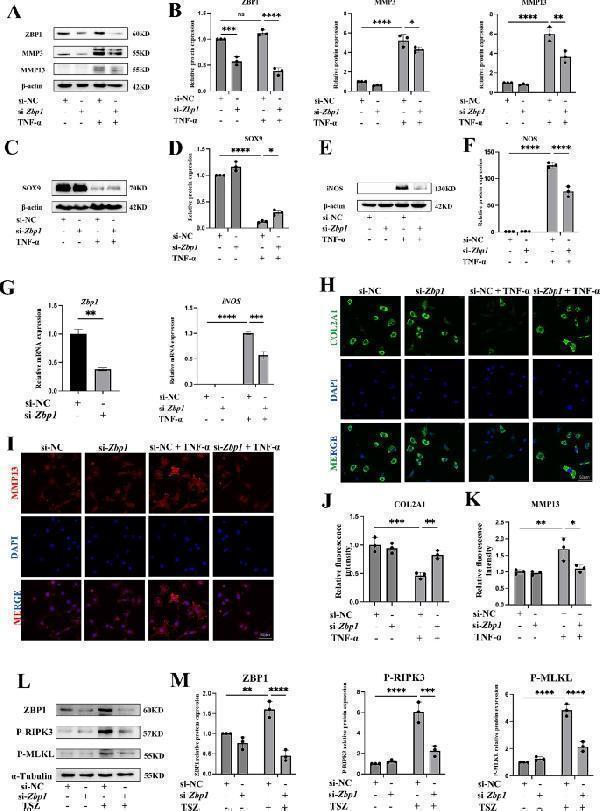
M00775
| Protein Name | Gene Name | Function |
|---|---|---|
| C-Reactive Protein (CRP) | CRP | Acute-phase reactant, indicates inflammation |
| Tumor Necrosis Factor-alpha (TNF-α) | TNF | Promotes inflammation and joint destruction |
| Interleukin-6 (IL-6) | IL6 | Mediates inflammation and immune response |
| Interleukin-1 beta (IL1B) | IL1B | Pro-inflammatory cytokine involved in joint destruction |
| Matrix Metalloproteinase-3 (MMP3) | MMP3 | Degrades extracellular matrix components |
| Vascular Endothelial Growth Factor (VEGF) | VEGFA | Promotes angiogenesis in inflamed joints |
| Anti-Cyclic Citrullinated Peptide (Anti-CCP) | PTPN22 | Autoantibody against citrullinated proteins |
| Osteoprotegerin | TNFRSF11B | Regulates bone resorption |
| Serum Amyloid A (SAA) | SAA1 | Acute-phase reactant, pro-inflammatory |
| S100 Calcium Binding Protein A12 (S100A12) | S100A12 | Mediates inflammatory responses |
| Interferon-gamma (IFN-γ) | IFNG | Activates macrophages and promotes inflammation |
| Intercellular Adhesion Molecule 1 (ICAM1) | ICAM1 | Facilitates leukocyte adhesion and migration |
| Osteopontin | SPP1 | Involved in bone remodeling and inflammation |
| Prolactin | PRL | Modulates immune response |
| CD64 | FCGR1A | Marker of activated macrophages |
| Fibrinogen | FGG | Involved in clot formation, elevated in inflammation |
| Complement C3 | C3 | Part of the complement system, involved in immune response |
| CCL5 (RANTES) | CCL5 | Chemokine involved in recruiting immune cells |
Rheumatoid Arthritis (RA) is fundamentally an autoimmune disorder, where the body's immune system mistakenly attacks its own joint tissues. Central to this autoimmune response are autoantibodies such as rheumatoid factor (RF) and anti-citrullinated protein antibodies (ACPAs), which target specific proteins in the synovial fluid of joints. T cells, particularly CD4+ subsets, play a pivotal role by orchestrating the inflammatory response, promoting the activation of B cells, and sustaining the chronic inflammation characteristic of RA. Additionally, dysregulation of immune checkpoints and the presence of pro-inflammatory cytokines contribute to the perpetuation of the autoimmune cycle. Understanding these autoimmune mechanisms is crucial for developing targeted therapies that can modulate the immune response, reduce inflammation, and prevent joint destruction in RA patients.
Pro-inflammatory cytokines are key mediators in the pathogenesis of Rheumatoid Arthritis, driving the inflammatory cascade that leads to joint damage. Tumor Necrosis Factor-alpha (TNF-α) and Interleukin-6 (IL-6) are among the most significant cytokines implicated in RA. TNF-α promotes the recruitment of inflammatory cells to the synovium, stimulates the production of other cytokines, and induces the expression of adhesion molecules, facilitating further immune cell infiltration. IL-6 contributes to the acute phase response, B cell maturation, and the differentiation of T cells, exacerbating the inflammatory environment. Therapeutic agents targeting these cytokines, such as TNF inhibitors and IL-6 receptor antagonists, have revolutionized RA treatment by effectively reducing inflammation and slowing disease progression. Ongoing research continues to explore additional cytokine pathways to enhance therapeutic options and improve patient outcomes.