This website uses cookies to ensure you get the best experience on our website.


- Table of Contents
and ELISA kits, proteins related to Systemic Sclerosis.
Systemic Sclerosis, also known as scleroderma, is a rare and complex autoimmune disease characterized by the hardening and tightening of the skin and connective tissues. This condition occurs when the immune system mistakenly attacks the body's own tissues, leading to excessive collagen production and fibrosis. Systemic Sclerosis can affect various organs, including the skin, blood vessels, lungs, heart, and kidneys, resulting in a wide range of symptoms such as skin thickening, Raynaud's phenomenon, digestive issues, and respiratory complications. The exact cause of Systemic Sclerosis remains unclear, but it is believed to involve a combination of genetic and environmental factors. Ongoing research into specific antibodies associated with this disease is crucial, as understanding these biomarkers can lead to better diagnostic tools, targeted therapies, and improved patient outcomes. Advancements in antibody-related research hold promise for unraveling the complexities of Systemic Sclerosis and offering hope to those affected.
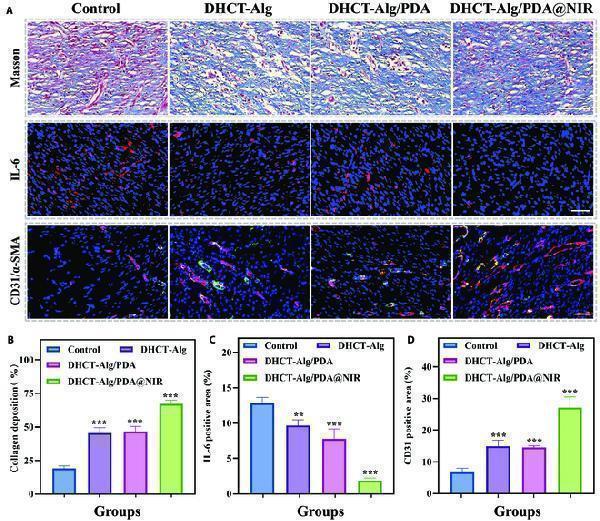
PA1352
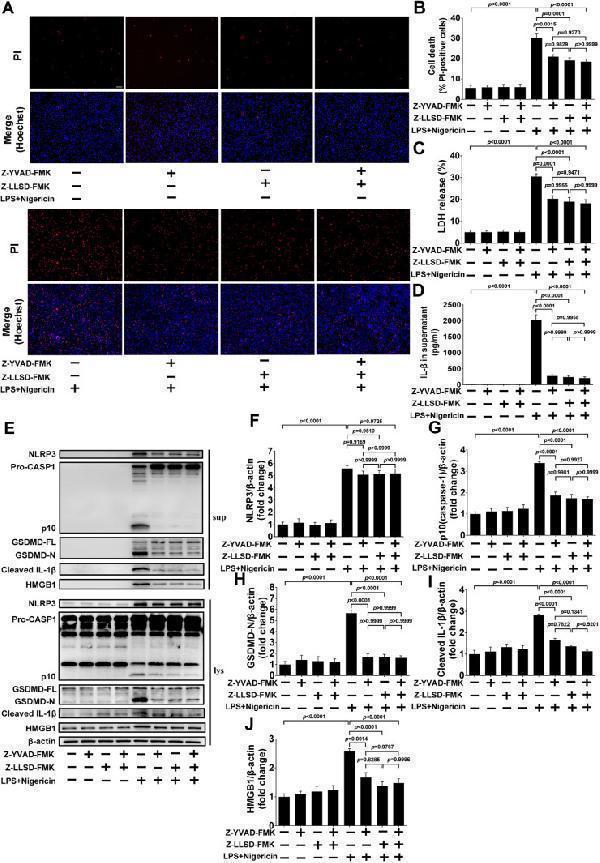
A00101
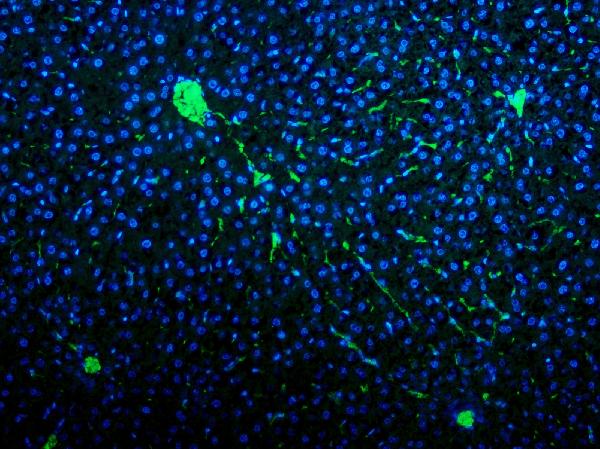
PB9273
| Protein Name | Gene Name | Function |
|---|---|---|
| Transforming Growth Factor-beta (TGF-β) | TGFB1 | Promotes fibrosis and extracellular matrix production. |
| Endothelin-1 (ET-1) | EDN1 | Vasoconstrictor involved in vascular dysfunction in SSc. |
| Interleukin-6 (IL-6) | IL6 | Pro-inflammatory cytokine regulating immune responses. |
| Matrix Metalloproteinase-9 (MMP-9) | MMP9 | Degrades extracellular matrix, involved in tissue remodeling. |
| Vascular Cell Adhesion Molecule-1 (VCAM-1) | VCAM1 | Mediates leukocyte adhesion, involved in inflammation. |
| Cartilage Oligomeric Matrix Protein (COMP) | COMP | Extracellular matrix protein associated with fibrosis. |
| Keratin 18 (KRT18) | KRT18 | Cytoskeletal protein, potential biomarker for epithelial damage. |
| CD19 | CD19 | B cell marker involved in immune response. |
| B cell Activating Factor (BAFF) | TNFSF13B | Promotes B cell survival and antibody production. |
| Fibroblast Growth Factor 2 (FGF-2) | FGF2 | Involved in angiogenesis and tissue repair. |
| N-terminal pro-brain natriuretic peptide (NT-proBNP) | NPPB | Marker of cardiac involvement. |
| Matrix Metalloproteinase-12 (MMP12) | MMP12 | Matrix metalloproteinase involved in extracellular matrix remodeling. |
| Interleukin-1 beta (IL-1β) | IL1B | Pro-inflammatory cytokine. |
| CXCL10 | CXCL10 | Chemokine involved in immune responses. |
| von Willebrand Factor (vWF) | VWF | Involved in blood clotting, marker of endothelial damage. |
Fibrosis, characterized by excessive deposition of extracellular matrix (ECM) proteins, is a hallmark of Systemic Sclerosis (SSc) and a primary driver of organ dysfunction in affected patients. Research in this area focuses on understanding the molecular and cellular mechanisms that lead to abnormal ECM production and impaired tissue remodeling. Key players include fibroblasts, which become activated and differentiate into myofibroblasts under the influence of profibrotic cytokines such as transforming growth factor-beta (TGF-β). This activation results in increased collagen synthesis and deposition, leading to tissue stiffening and impaired organ function. Additionally, studies investigate the role of signaling pathways, epigenetic modifications, and the interplay between immune cells and fibroblasts in promoting fibrosis. Advanced imaging techniques and biomarkers are also being developed to better assess the extent of fibrosis and monitor disease progression. By elucidating the intricate processes underlying ECM remodeling, researchers aim to identify novel therapeutic targets that can effectively halt or reverse fibrotic changes, thereby improving clinical outcomes for patients with SSc.
Vascular dysfunction is a critical component of Systemic Sclerosis, contributing to the development of Raynaud's phenomenon, digital ulcers, and internal organ ischemia. Research in this area explores the pathological changes in the blood vessels, including endothelial cell injury, abnormal angiogenesis, and impaired vasodilation. Endothelial dysfunction leads to an imbalance between vasodilators and vasoconstrictors, promoting vasoconstriction and vascular remodeling. Additionally, there is an increased expression of adhesion molecules and inflammatory cytokines, which facilitate immune cell infiltration and perpetuate vascular damage. Microangiopathy, the disease of the small blood vessels, further exacerbates tissue hypoxia and fibrosis by restricting blood flow and nutrient delivery. Studies also examine the role of autoantibodies and genetic predispositions in predisposing individuals to vascular abnormalities. Advanced therapeutic strategies targeting vascular pathways, such as endothelin receptor antagonists and phosphodiesterase inhibitors, are being investigated to alleviate symptoms and prevent irreversible organ damage. Understanding the intricate vascular mechanisms in SSc is essential for developing interventions that can restore vascular integrity and improve the quality of life for those affected by this debilitating condition.