This website uses cookies to ensure you get the best experience on our website.


- Table of Contents
PicoKine® ELISA Kits
High-sensitivity ELISA kits for protein quantification
Compare PicoKine®, Quick ELISA, High Sensitivity, EZ-Set Antibody Pairs, and Multiplex in our ELISA Kits Hub.
Go to the ELISA Kits Hub
1 images
1 images
1 images
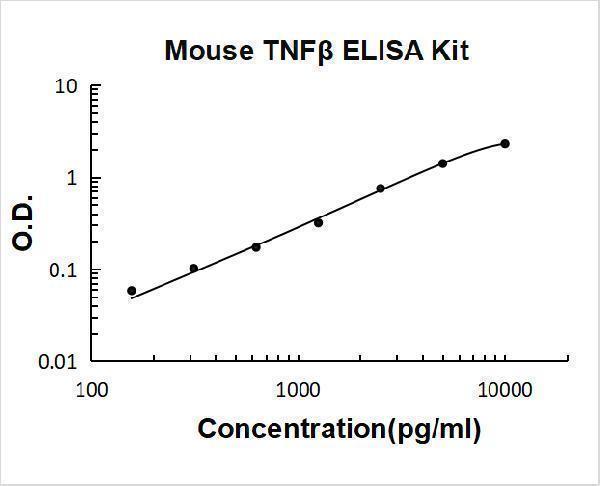
1 images
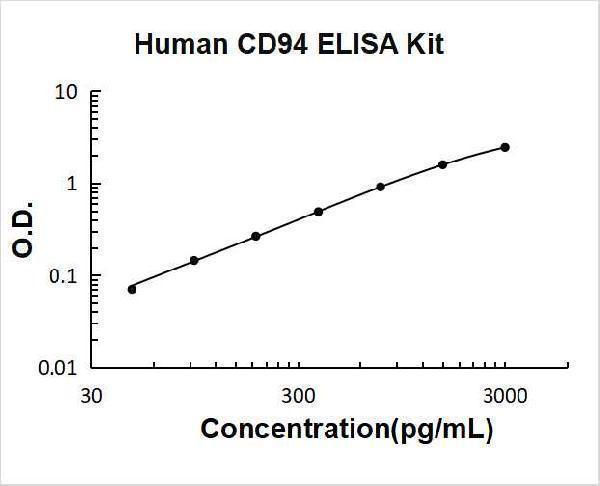
1 images

1 images
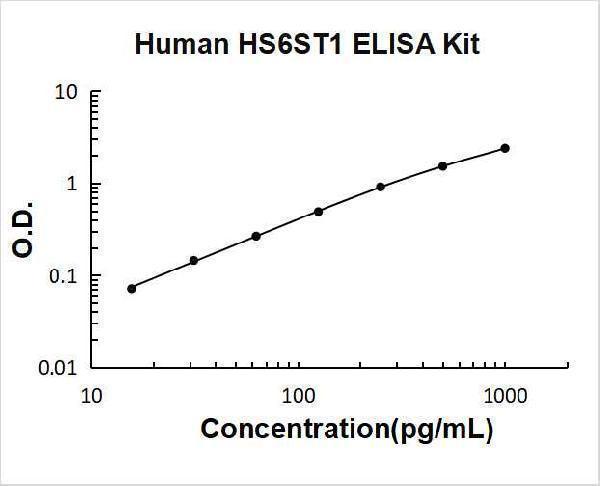
1 images

1 images
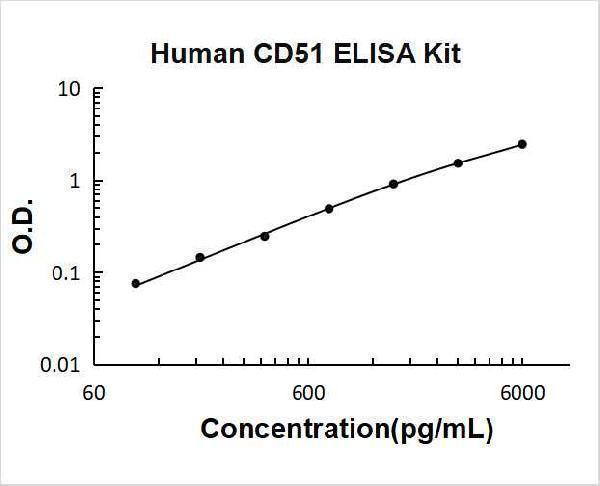
1 images
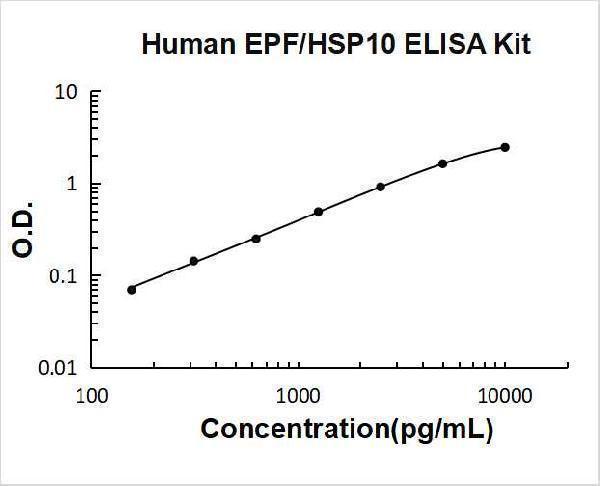
1 images
Displaying Items 1-10 of
Boster Biological Technology has more than 30 years of experience in manufacturing ELISA kits and antibodies. PicoKine® ELISA kits are developed for researchers who need dependable protein quantification with a standardized, ready-to-run workflow and consistent in-house quality control.
Across Boster’s ELISA portfolio, kits are validated for key performance characteristics such as specificity, sensitivity, stability, and lot-to-lot consistency. This helps support reliable data generation in routine research and publication-focused work.

PicoKine® is a good choice when you want a ready-to-run sandwich ELISA rather than a more customizable or development-heavy format.
Best suited for researchers who prioritize reproducibility, convenience, and a more standardized workflow.
Key features of Boster’s PicoKine® ELISA kits

Boster's Picokine® ELISA kits are made with high affinity antibodies that can detect native form proteins with picogram and subpicogram level sensitivity.

Boster's QC department validates our ELISA kits against proteins in relevant superfamilies and proteins with similar immunogenicities to ensure specificity to the analytes of interests.

Our PicoKine® ELISA kits cover a wide range of validated targets and sample matrices, from serum and plasma to cell culture supernatant and tissue homogenate, helping you find the right assay for your workflow.

Boster has been serving the research community since 1993 and cited by 70,000+ publications. Our team of experts are dedicated to provide you the best customer service.
PicoKine® ELISA kits follow a standard sandwich ELISA workflow designed for sensitive and reproducible protein quantification.
Why Researchers Trust Boster
Track record, publication support, and scale behind Boster’s ELISA and antibody portfolio
Trusted by Researchers Worldwide
Publication-backed performance across Boster’s ELISA portfolio
Boster’s PicoKine® ELISA kits alone are associated with an estimated 6000+ publications, reflecting broad use in peer-reviewed research. You can explore specific citations on individual product pages.
One example of researcher feedback on Boster ELISA performance.
Sanjay Arora
Graduate Student
Quantification Of BDNF Post-Transfection In Primary Neuronal Cells
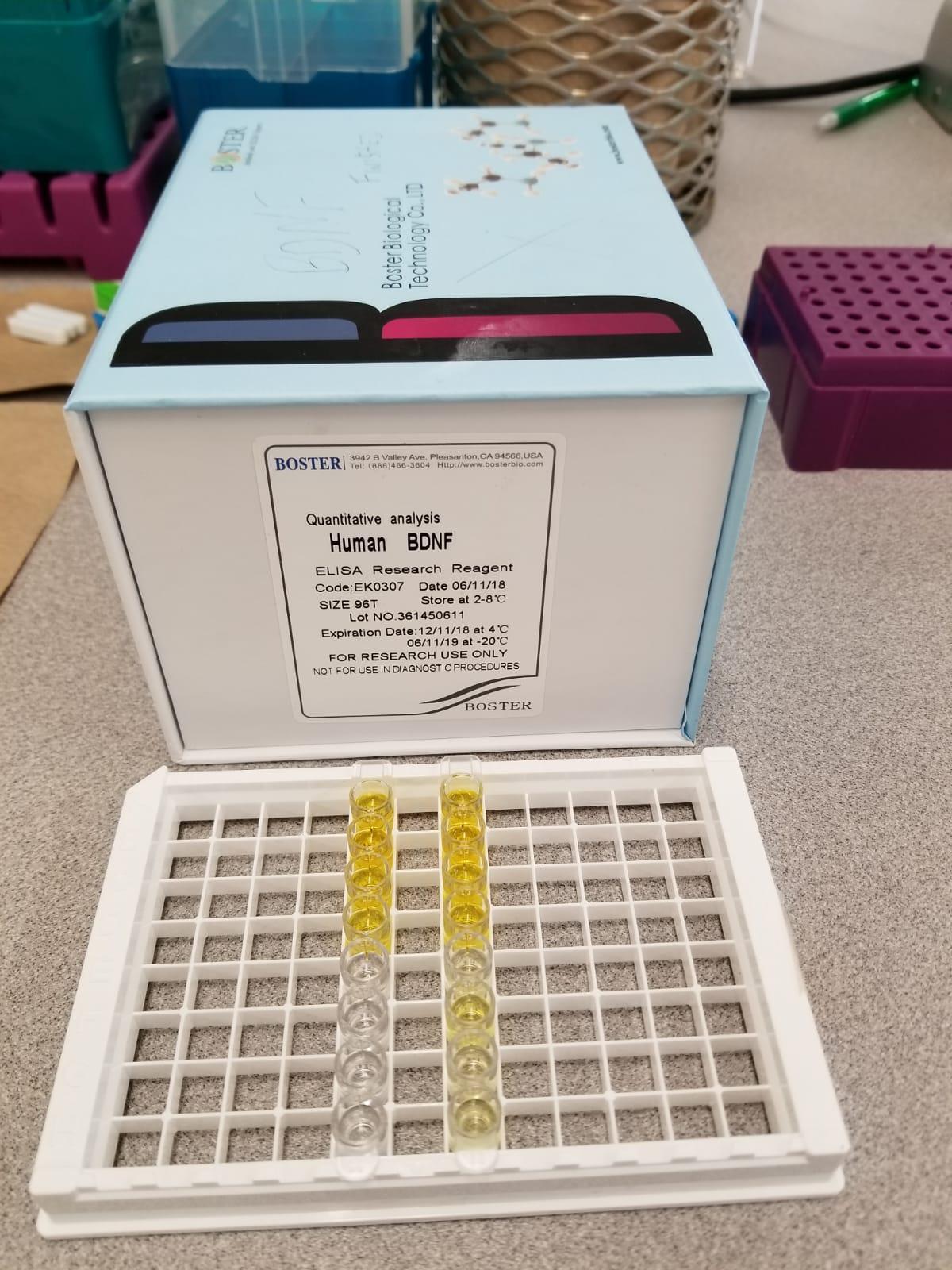
The kit was used to quantify amount of BDNF produced after transfection with plasmid DNA encoding human BDNF using non viral vector, liposomes. Provided good reliable quantification of BDNF produced. No interference. Good reproducibility. Reliable estimation, good sensitivity. Reasonable price as well. Would purchase again.
ELISA , Cell lysate and culture medium
Explore ELISA principles, protocols, troubleshooting, optimization tips, and data analysis resources related to PicoKine® workflows.
This section highlights practical learning content for assay setup, optimization, and result interpretation.
For PicoKine®-specific questions not covered here, contact support@bosterbio.com.
Q.1 How do I troubleshoot low signal in PicoKine® ELISA results?
Q.2 What is matrix effect and how does it affect PicoKine® ELISA results?
Q.3 How many samples can I run on a 96-well PicoKine® ELISA plate?
Q.4 Is the plate separable? Can I use only part of the PicoKine® kit and save the rest for later?
Q.5 The kit does not include wash solution. What should I do?
Q.6 Will this PicoKine® ELISA kit work on tissue samples?
Continue Learning
Explore ELISA technical content related to PicoKine® workflows, assay setup, troubleshooting, and data analysis.
ELISA Fundamental Principle, How ELISA Works
ELISA (enzyme-linked immunosorbent assay) is a plate-based assay technique designed for detecting and quantifying peptides, proteins, antibodies and hormones. In an ELISA, an antigen must be immobilized to a solid surface...
Continue Reading
ELISA Sample Preparation Guide
The procedure below provides a general guidance for the preparation of commonly tested samples for use in ELISA assays. Please check with the literature for experiments similar to yours for your new assay development. In this article...
Continue Reading
An ELISA Guide That You Cannot Miss
This guide will teach you everything you need to become an ELISA expert, including critical review of principle, all-in-one FAQs, and more...
Continue Reading
Boster's Free Troubleshooting Guides
You are at the right place and at the right time for our latest series of troubleshooting handbooks. They are available at your finger tips with just a few clicks...
Continue Reading
Guidelines for Preparing ELISA Standards
ELISA (enzyme-linked immunosorbent assay) is a plate-based assay used to detect the concentration of a specific protein in a liquid sample. Three different types of data output can be obtained...
Continue Reading
Four Types of ELISA Assay
Are you familiar with the multiple methods you could use to perform an ELISA? Among the standard assay formats illustrated below, where differences in...
Continue Reading
ELISA Troubleshooting: Weak Signal
Weak or no color development in an ELISA assay can indicate that the target protein is present in minute quantities in the sample, if at all. It can also mean that there is something wrong with the assay or the reagents that prevents efficient detection....
Continue Reading
ELISA Blocking Optimization
The process of coating an ELISA plate relies on the passive binding activity of the solid phase, which immobilizes biomolecules on the well surface. Without appropriate blocking, the plate would bind the detection antibody alongside the antigen or detection...
Continue Reading
ELISA Data Analysis
After performing an ELISA with a ready-to-use ELISA kit or an antibody pair kit, the data generated must be analyzed to quantitate the target protein concentrations. We discuss the different aspects to consider for more consistent and accurate ELISA data. Furthermore, we provide a step-by-step guide to create the standard curve for analysis.....
Continue Reading
Pitfalls to Avoid for ELISA!
ELISA (enzyme-linked immunosorbent assay) is a convenient and simple method to quantitatively or qualitatively detect peptides, proteins, antibodies, and hormones in samples, rendering it as one of the most widely used immunoassays. Despite the many advantages, there are some mistakes that could turn your ELISA experiment sour...
Continue Reading
ELISA Blocking Buffer Optimization
There are a variety of blocking buffers, not one of which is ideal for every combination of plate type, assay format, and detection system. Every blocking buffer represents a compromise between....
Continue Reading
How to Perfect Your ELISA Standards: Protocol and Troubleshooting
At Boster, one common question we get from researchers is, “How do I prepare the ELISA standard?” We’re glad you asked because proper construction of the standard curve is the very first step....
Continue Reading