This website uses cookies to ensure you get the best experience on our website.


- Table of Contents
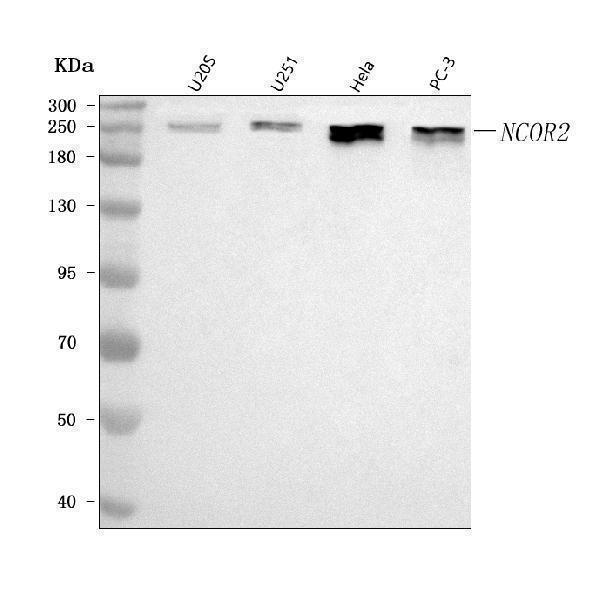
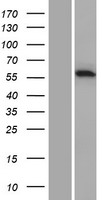
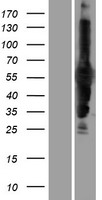
Designing a Western blot for CARD9? The guide has the expected band size, antibodies backed by real blot images, the controls to run alongside, and protocols taken from published papers.
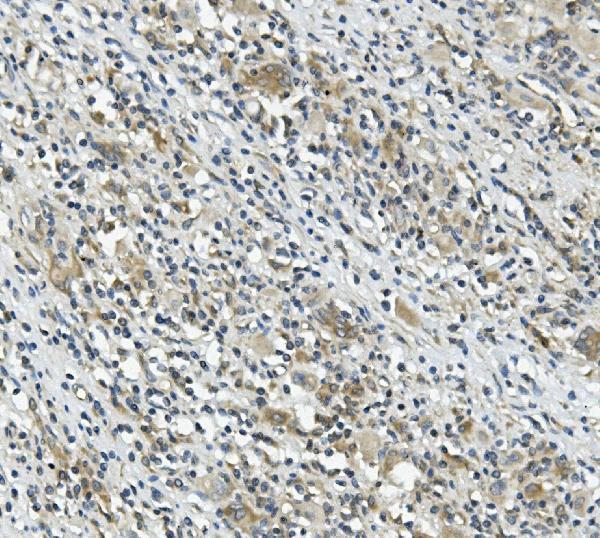
Open the CARD9 Western Blot GuideDesigning an IHC experiment for CARD9? The guide has the expected staining pattern, antigen retrieval and fixation, antibodies backed by real IHC images, the tissue controls to run alongside, and protocols taken from published papers.
Open the CARD9 IHC Guide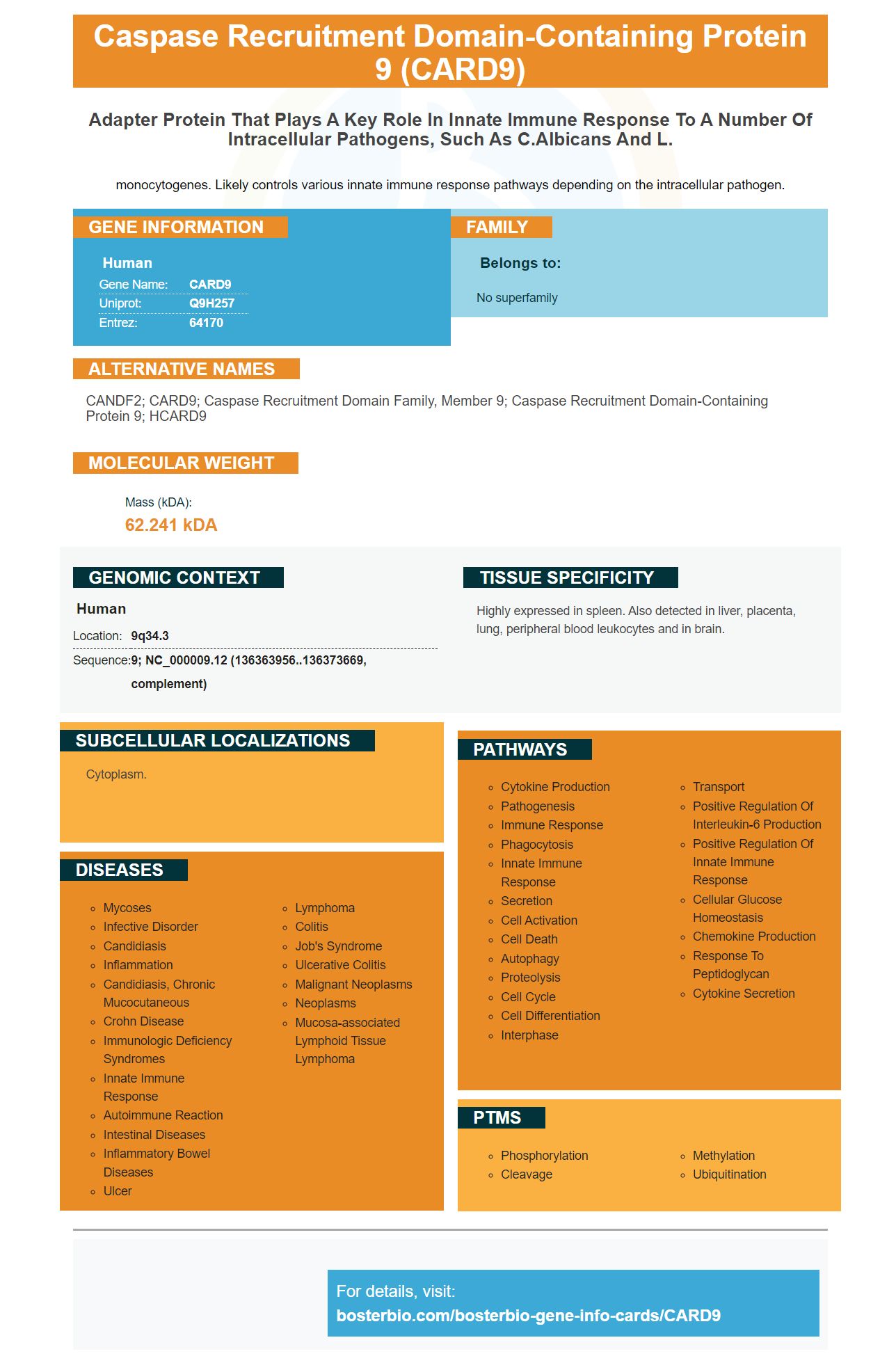
Facts about Caspase recruitment domain-containing protein 9.
monocytogenes. Likely controls various innate immune response pathways depending on the intracellular pathogen.
| Human | |
|---|---|
| Gene Name: | CARD9 |
| Uniprot: | Q9H257 |
| Entrez: | 64170 |

| Belongs to: |
|---|
| No superfamily |

CANDF2; CARD9; caspase recruitment domain family, member 9; caspase recruitment domain-containing protein 9; hCARD9
Mass (kDA):
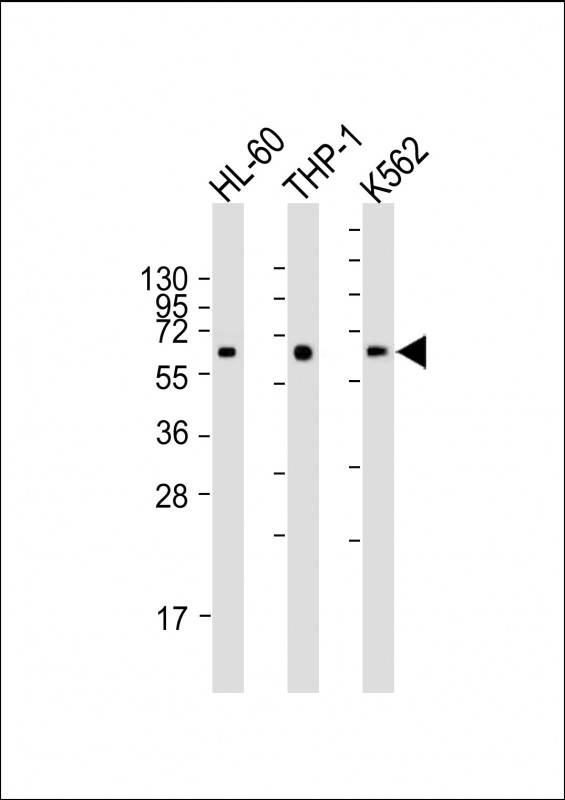
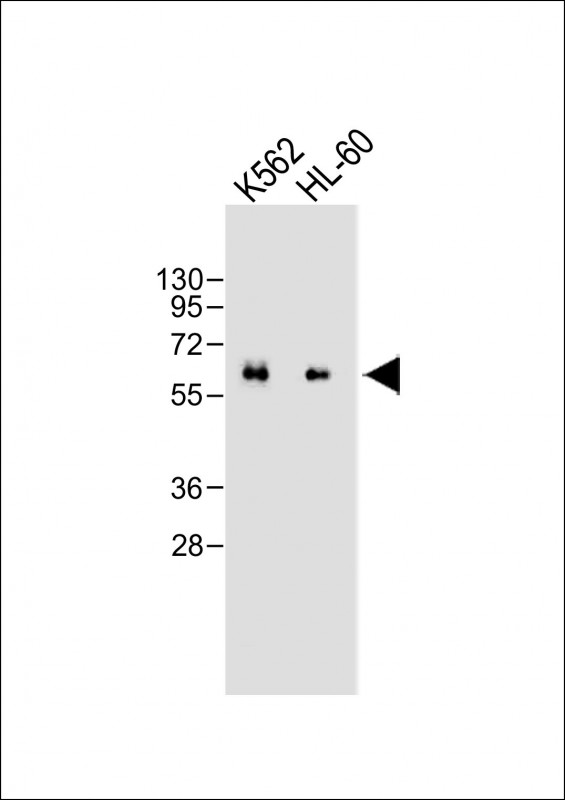
62.241 kDA

| Human | |
|---|---|
| Location: | 9q34.3 |
| Sequence: | 9; NC_000009.12 (136363956..136373669, complement) |
Highly expressed in spleen. Also detected in liver, placenta, lung, peripheral blood leukocytes and in brain.
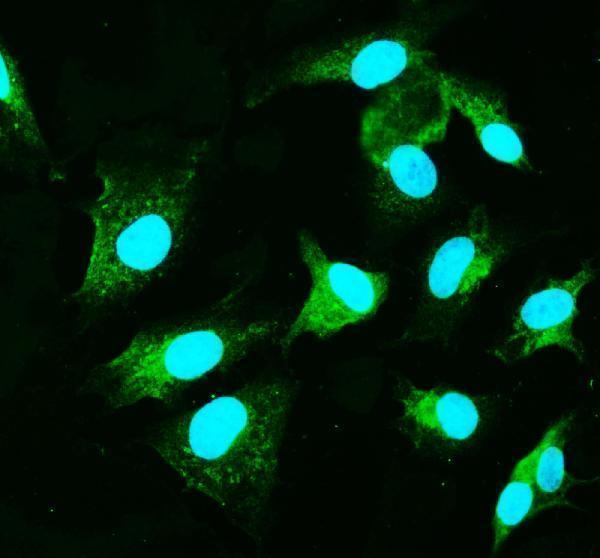
Cytoplasm.




PMID: 11053425 by Bertin J., et al. CARD9 is a novel caspase recruitment domain-containing protein that interacts with Bcl10/CLAP and activates NF-kappa B.
PMID: 19864672 by Glocker E.-O., et al. A homozygous CARD9 mutation in a family with susceptibility to fungal infections.