This website uses cookies to ensure you get the best experience on our website.


- Table of Contents
Designing an IHC experiment for CSRP3? The guide has the expected staining pattern, antigen retrieval and fixation, antibodies backed by real IHC images, the tissue controls to run alongside, and protocols taken from published papers.
Open the CSRP3 IHC Guide
Facts about Cysteine and glycine-rich protein 3.
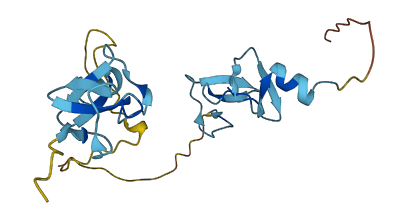
Enhances the DNA-binding activity of the MYOD1:TCF3 isoform E47 complex and might promote formation of a functional MYOD1:TCF3 isoform E47:MEF2A complex involved in myogenesis (By similarity). Plays a crucial and specific role in the business of cytosolic structures in cardiomyocytes.
| Human | |
|---|---|
| Gene Name: | CSRP3 |
| Uniprot: | P50461 |
| Entrez: | 8048 |

| Belongs to: |
|---|
| No superfamily |

Cardiac LIM protein; CLPMGC14488; CMD1Mcardiac LIM domain protein; CMH12; CRP3cysteine and glycine-rich protein 3; cysteine and glycine-rich protein 3 (cardiac LIM protein); Cysteine-rich protein 3; LIM domain only 4; LIM domain protein, cardiac; LMO4; MLPMGC61993; Muscle LIM protein
Mass (kDA):
20.969 kDA

| Human | |
|---|---|
| Location: | 11p15.1 |
| Sequence: | 11; NC_000011.10 (19182030..19201983, complement) |
Cardiac and slow-twitch skeletal muscles. Isoform 2 is expressed in striated muscle. Isoform 2 is specifically expressed at higher levels in patients with neuromuscular diseases, such as limb-girdle muscular dystrophy 2A (LGMD2A), Duchenne muscular dystrophy (DMD) and dermatomyositis (PubMed:24860983).
Nucleus. Cytoplasm. Cytoplasm, cytoskeleton. Cytoplasm, myofibril, sarcomere, Z line. Cytoplasm, myofibril, sarcomere. Nucleocytoplasmic shuttling protein. Mainly cytoplasmic. In the Z line, found associated with GLRX3 (By similarity).; [Isoform 2]: Cytoplasm, myofibril, sarcomere, Z line.


PMID: 7490106 by Fung Y.W., et al. Mapping of a human LIM protein (CLP) to human chromosome 11p15.1 by fluorescence in situ hybridization.
PMID: 24860983 by Vafiadaki E., et al. Muscle lim protein isoform negatively regulates striated muscle actin dynamics and differentiation.