This website uses cookies to ensure you get the best experience on our website.


- Table of Contents

Facts about Glypican-6.
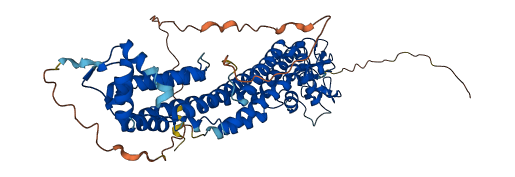
Enhances migration and invasion of cancer cells through WNT5A signaling. .
| Human | |
|---|---|
| Gene Name: | GPC6 |
| Uniprot: | Q9Y625 |
| Entrez: | 10082 |

| Belongs to: |
|---|
| glypican family |

Glypican 6; glypican proteoglycan 6; glypican-6; GPC6; MGC126288; OMIMD1
Mass (kDA):
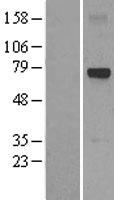
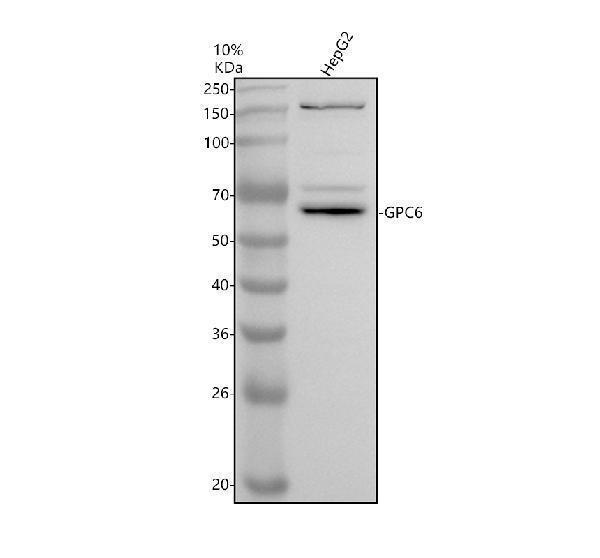
62.736 kDA

| Human | |
|---|---|
| Location: | 13q31.3-q32.1 |
| Sequence: | 13; NC_000013.11 (93226807..94408020) |
Widely expressed. High expression in fetal kidney and lung and lower expressions in fetal liver and brain. In adult tissues, very abundant in ovary, high levels also observed in liver, kidney, small intestine and colon. Not detected in peripheral blood leukocytes. Detected in breast cancer cells (at protein level).
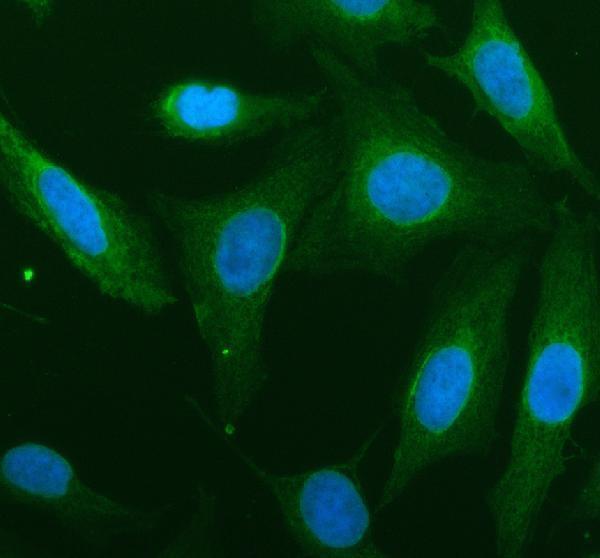
Cell membrane; Lipid-anchor, GPI-anchor; Extracellular side.; [Secreted glypican-6]: Secreted, extracellular space.



PMID: 10329016 by Paine-Saunders S., et al. GPC6, a novel member of the glypican gene family, encodes a product structurally related to GPC4 and is colocalized with GPC5 on human chromosome 13.
PMID: 10480909 by Veugelers M., et al. Glypican-6, a new member of the glypican family of cell surface heparan sulfate proteoglycans.