This website uses cookies to ensure you get the best experience on our website.


- Table of Contents
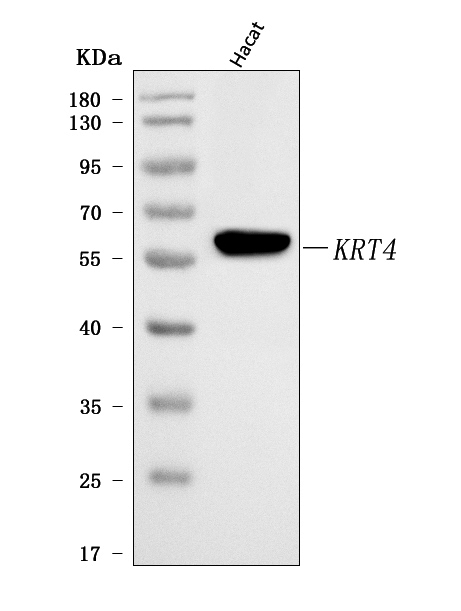
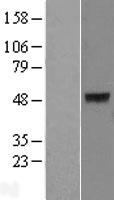
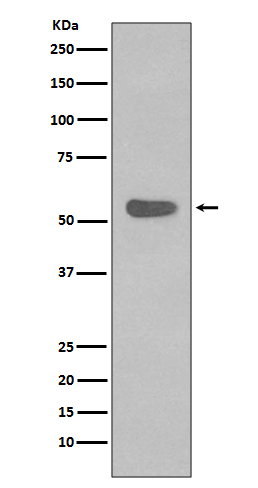
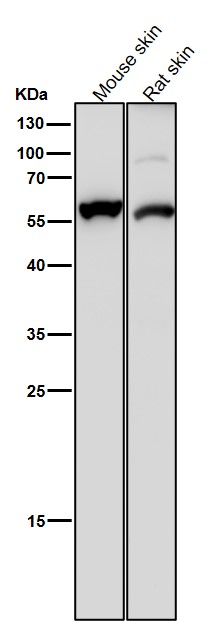
Designing a Western blot for KRT4? The guide has the expected band size, antibodies backed by real blot images, the controls to run alongside, and protocols taken from published papers.
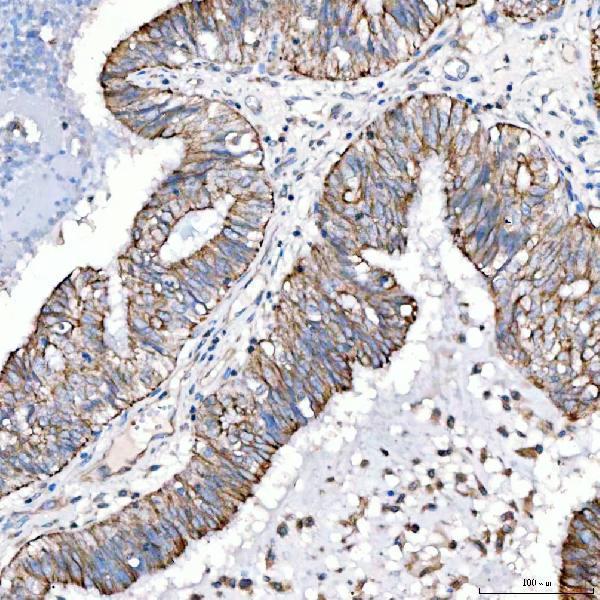
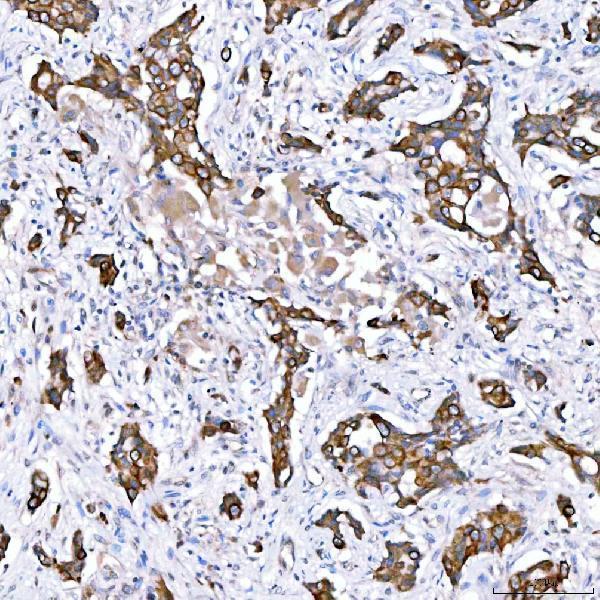
Open the KRT4 Western Blot GuideDesigning an IHC experiment for KRT4? The guide has the expected staining pattern, antigen retrieval and fixation, antibodies backed by real IHC images, the tissue controls to run alongside, and protocols taken from published papers.
Open the KRT4 IHC Guide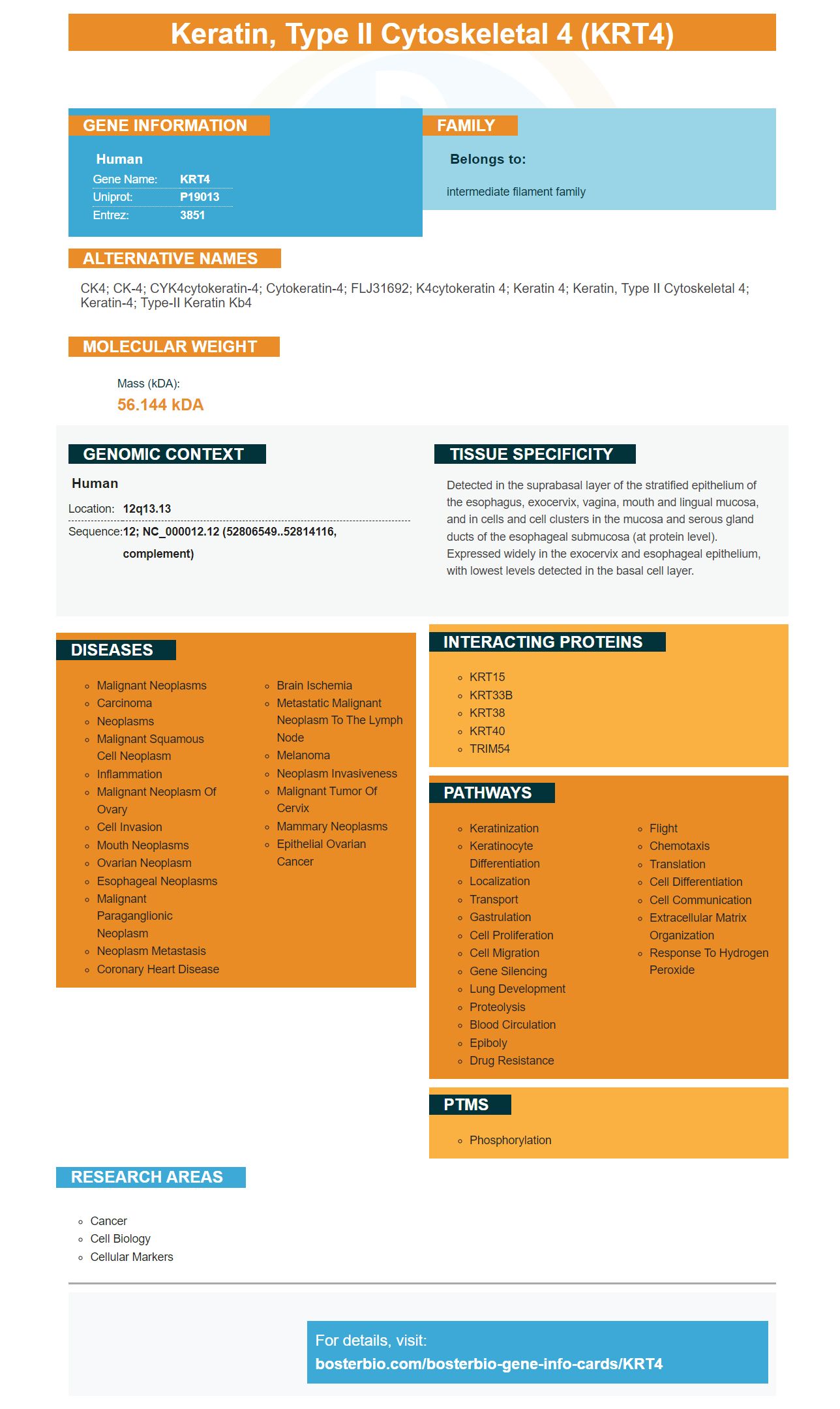
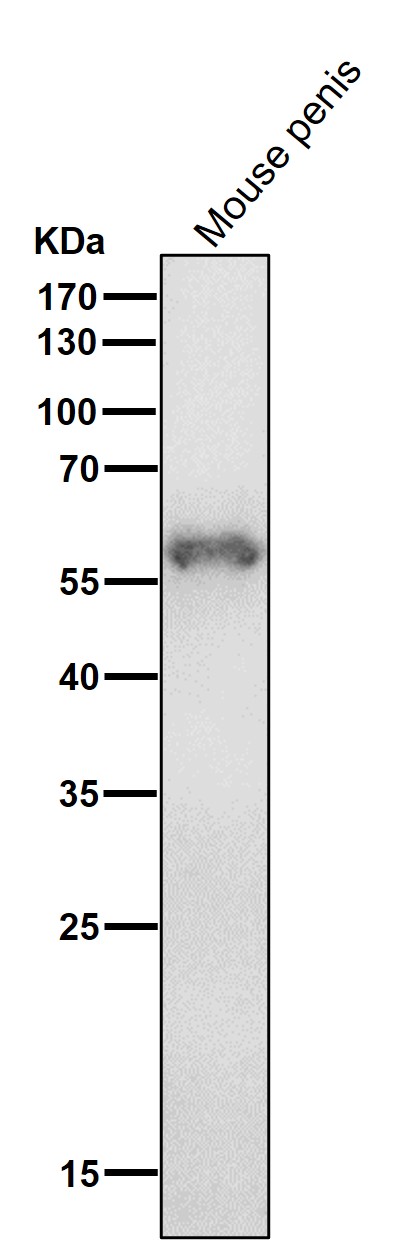
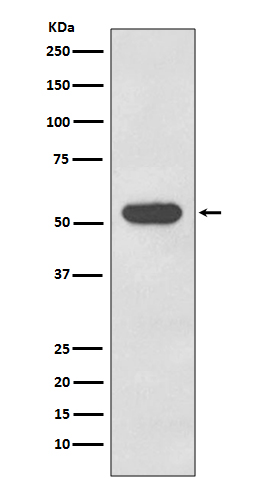
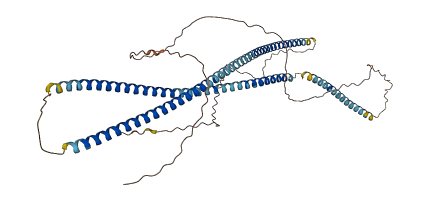
Facts about Keratin, type II cytoskeletal 4.
| Human | |
|---|---|
| Gene Name: | KRT4 |
| Uniprot: | P19013 |
| Entrez: | 3851 |

| Belongs to: |
|---|
| intermediate filament family |

CK4; CK-4; CYK4cytokeratin-4; Cytokeratin-4; FLJ31692; K4cytokeratin 4; keratin 4; keratin, type II cytoskeletal 4; Keratin-4; Type-II keratin Kb4
Mass (kDA):
56.144 kDA

| Human | |
|---|---|
| Location: | 12q13.13 |
| Sequence: | 12; NC_000012.12 (52806549..52814116, complement) |
Detected in the suprabasal layer of the stratified epithelium of the esophagus, exocervix, vagina, mouth and lingual mucosa, and in cells and cell clusters in the mucosa and serous gland ducts of the esophageal submucosa (at protein level). Expressed widely in the exocervix and esophageal epithelium, with lowest levels detected in the basal cell layer.





PMID: 7684424 by Wanner R., et al. Allelic variations of human keratins K4 and K5 provide polymorphic markers within the type II keratin gene cluster on chromosome 12.
PMID: 2452170 by Leube R.E., et al. Molecular characterization and expression of the stratification- related cytokeratins 4 and 15.
*More publications can be found for each product on its corresponding product page